Voltage Weave: folded tee in the mailer
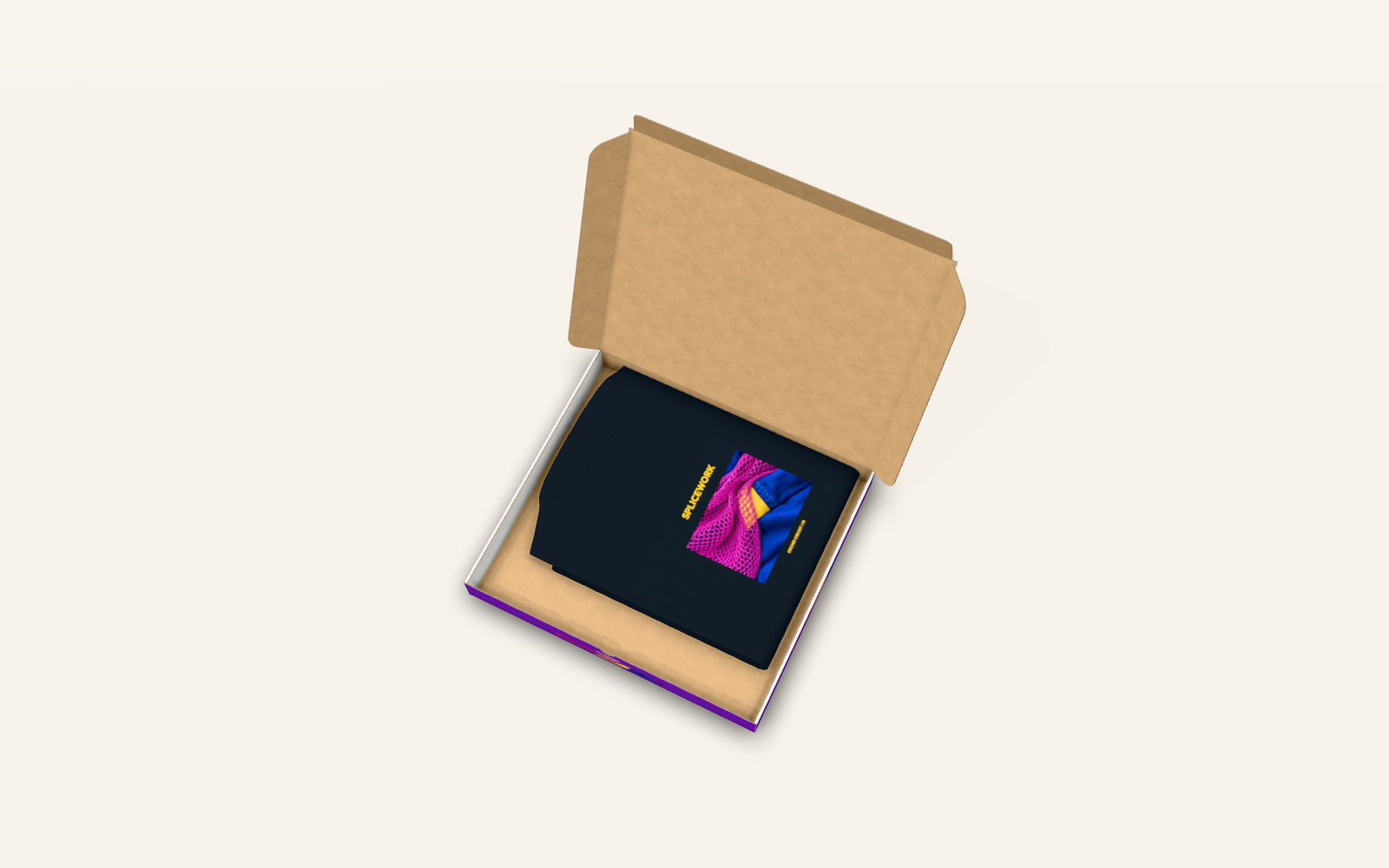
The native garment is staged at scale 1 against the actual mailer cavity. Inspect open, ajar and closed bounds; check actual folded garments before ordering packaging.
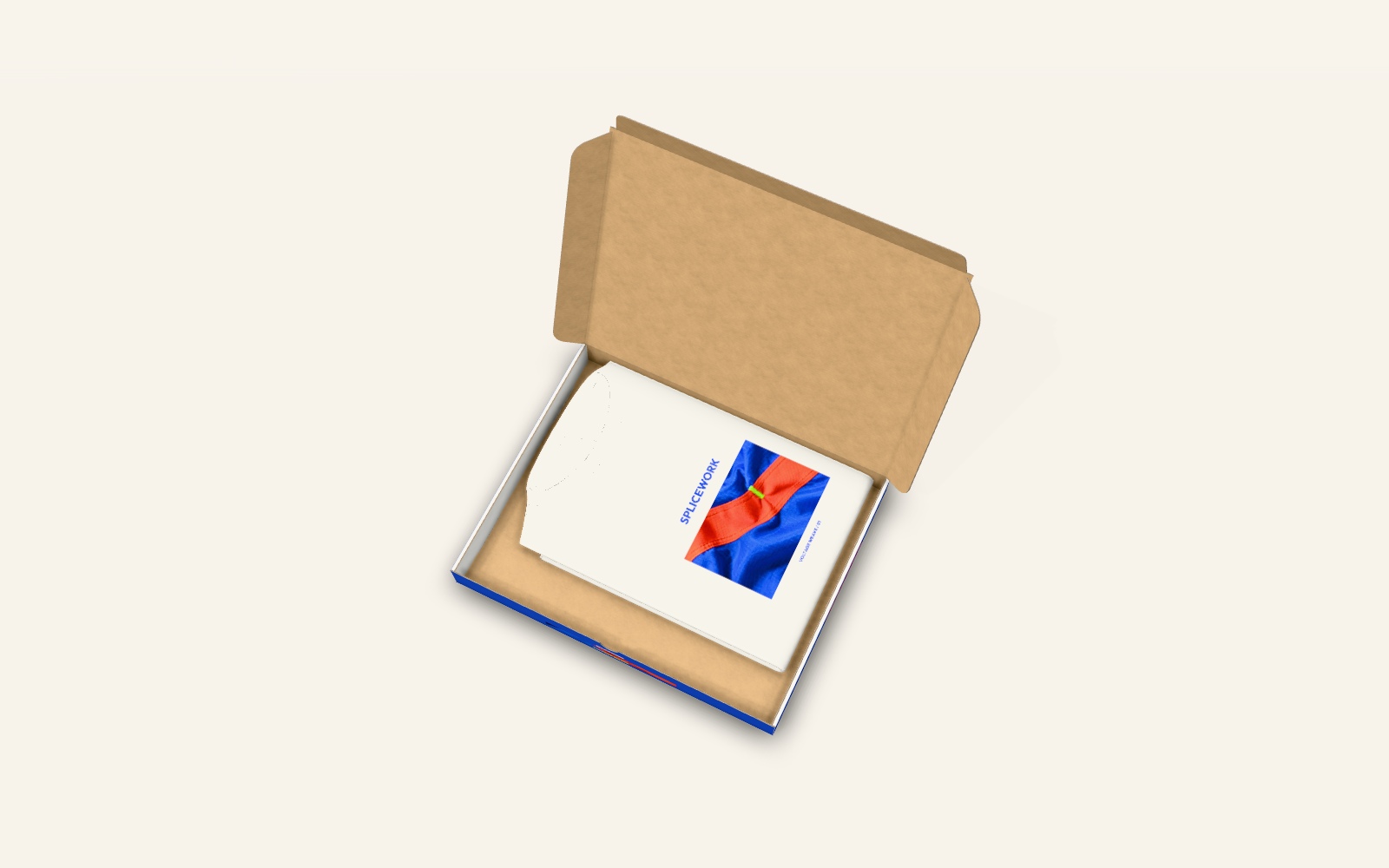
Compare the ajar and closed states

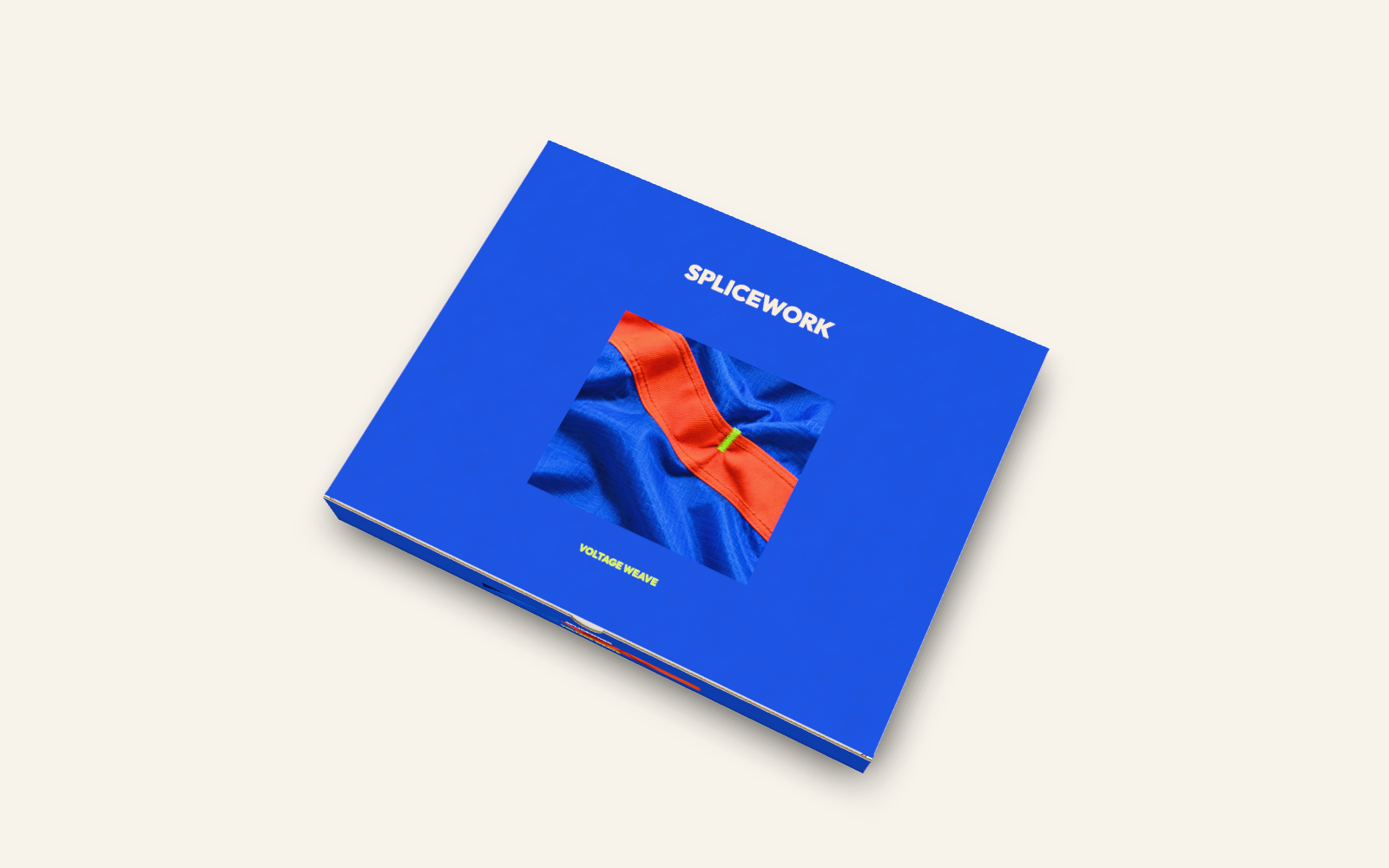
Coordinate the garment and the packing pieces. Review the folded cloth, the mailer cavity and the flat artwork as separate parts of the same handoff.
Compare the packing decisionsSPLICEWORK is a fictional example identity. Native proofs establish the saved digital configuration; supplier specifications and physical samples establish production suitability.
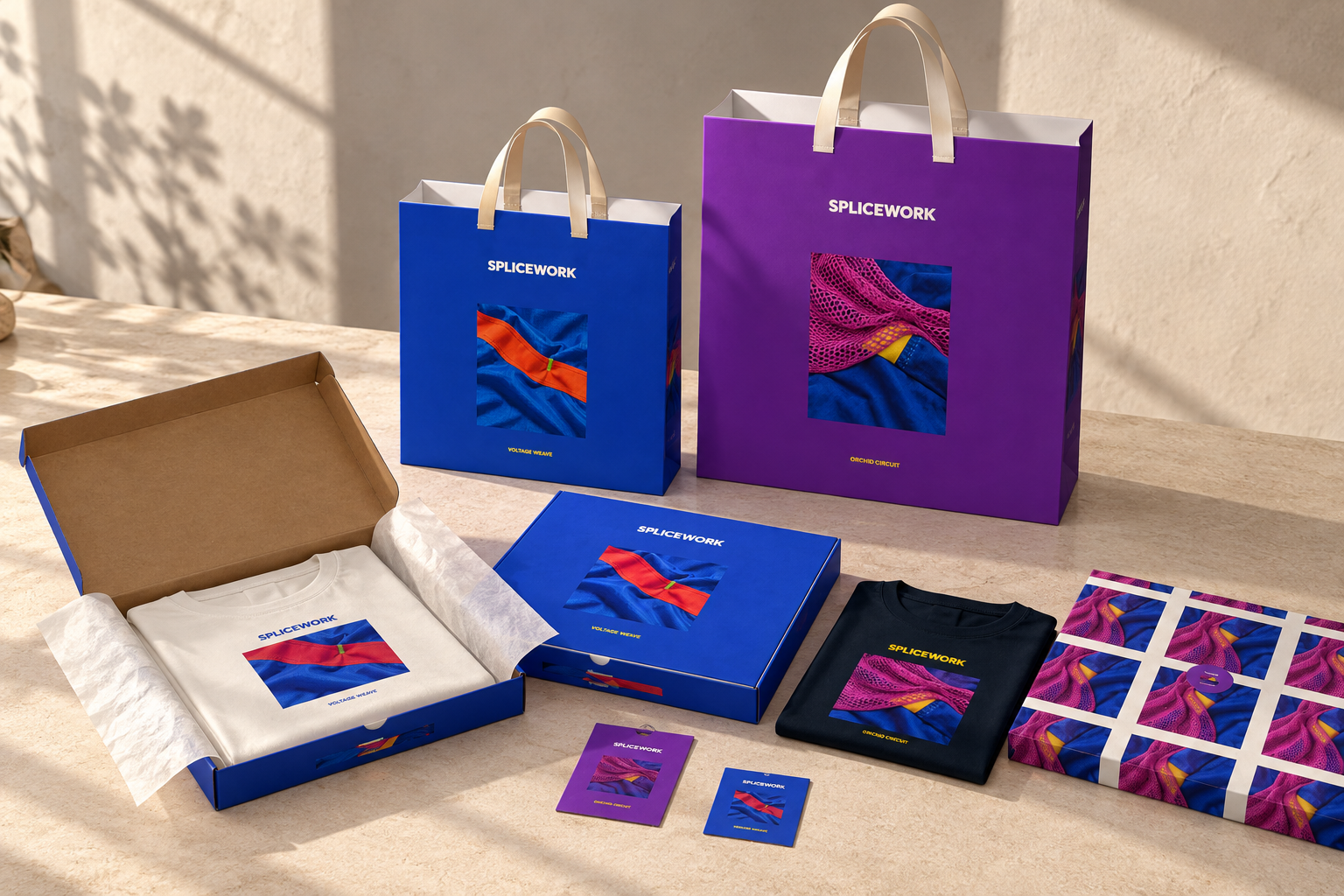
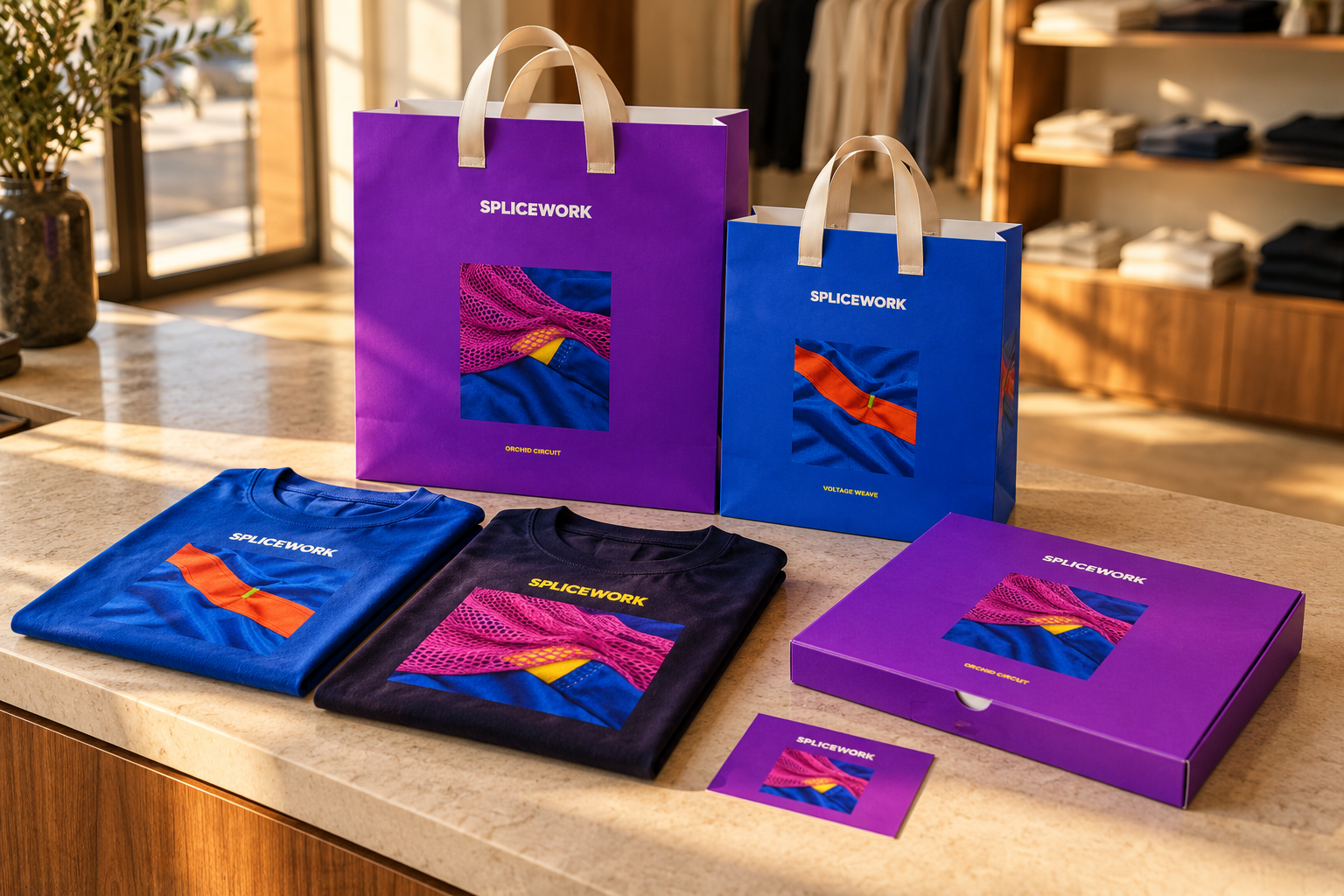
The 520 × 720 mm and 650 × 780 mm values describe torso references, not graded clothing sizes or full sleeve spans. Compare the separately measured native folded envelope with the usable mailer cavity.
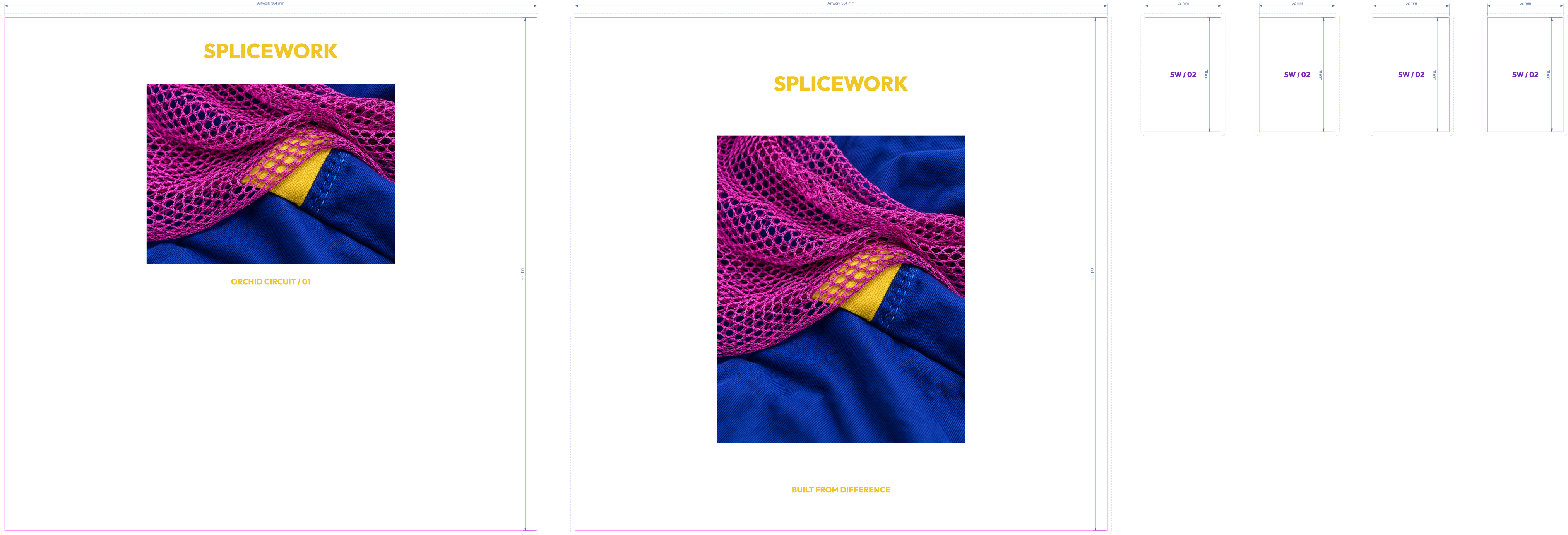
Tee exports are decoration placement guides. The mailer and bag have structural blanks; card and sticker have their own print areas. Tissue uses an explicit generic wrap reference.
Combined scenes can contain baked native GLB companions. Edit their artwork in the individual source projects, then rebuild or replace the scene companion.
These dimensions come from the folded native garment and assembled mailer panels, including lid ears and tuck. The garment is staged at scale 1. Values are width across the cavity × front-to-back depth × height.
| Native measurement | SPLICEWORK · Voltage Weave | SPLICEWORK · Orchid Circuit |
|---|---|---|
| Folded garment envelope | 380.9 × 310.5 × 27.4 mm | 414.9 × 388.1 × 34.3 mm |
| Usable closed mailer cavity | 401.6 × 326.0 × 43.4 mm | 441.6 × 406.0 × 53.4 mm |
| Smallest lateral gap | 7.8 mm | 9.0 mm |
| Gap above the model | 15.5 mm | 18.6 mm |
The garment sits 0.5 mm above the native floor. This check covers the garment model; tissue and accessories retain separate references. Textile compression, wrapping, handling clearance and production tolerances require an actual packed sample before ordering.
Native measurements, file hashes and limitationsThe native garment is staged at scale 1 against the actual mailer cavity. Inspect open, ajar and closed bounds; check actual folded garments before ordering packaging.
The native garment is staged at scale 1 against the actual mailer cavity. Inspect open, ajar and closed bounds; check actual folded garments before ordering packaging.

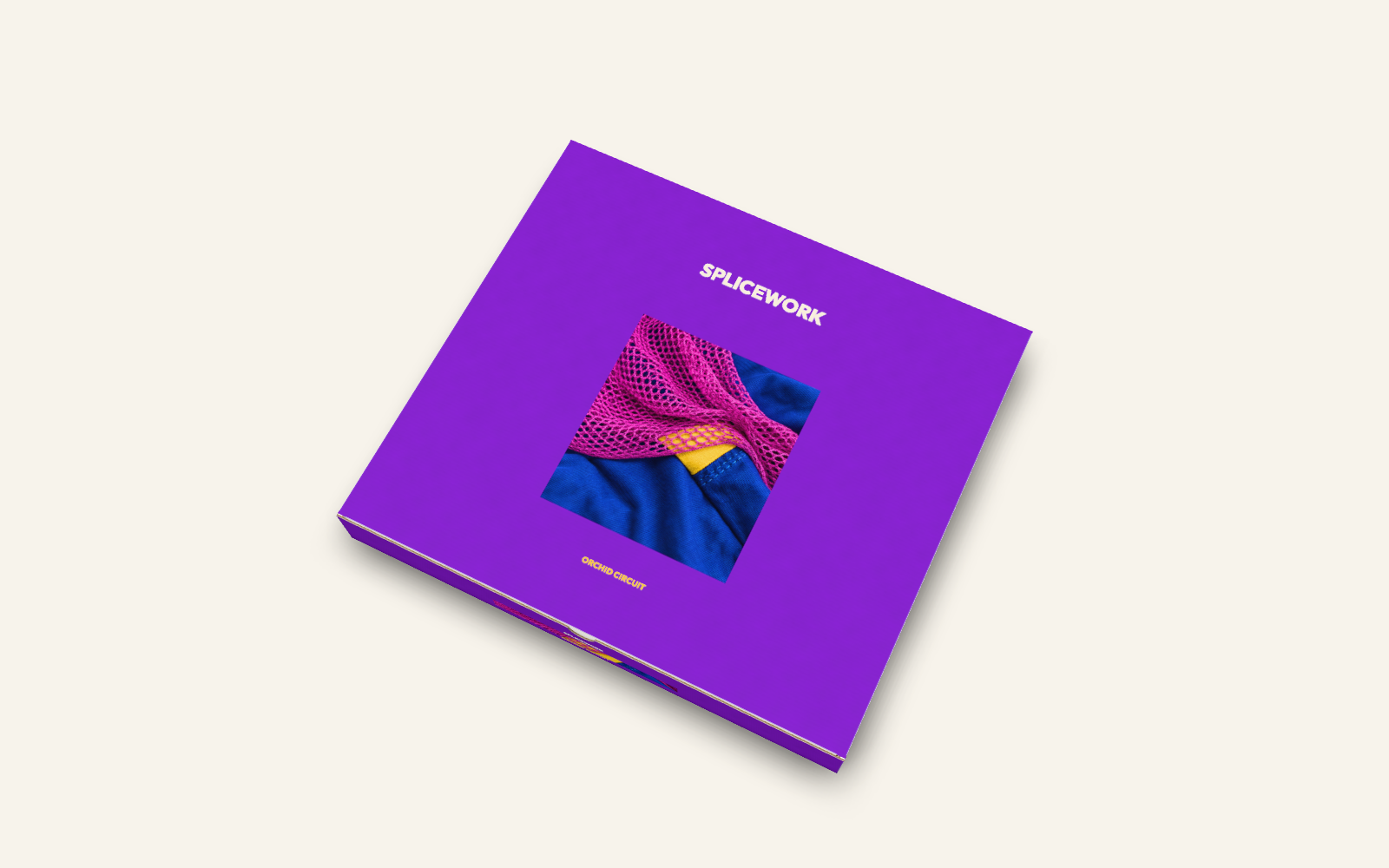
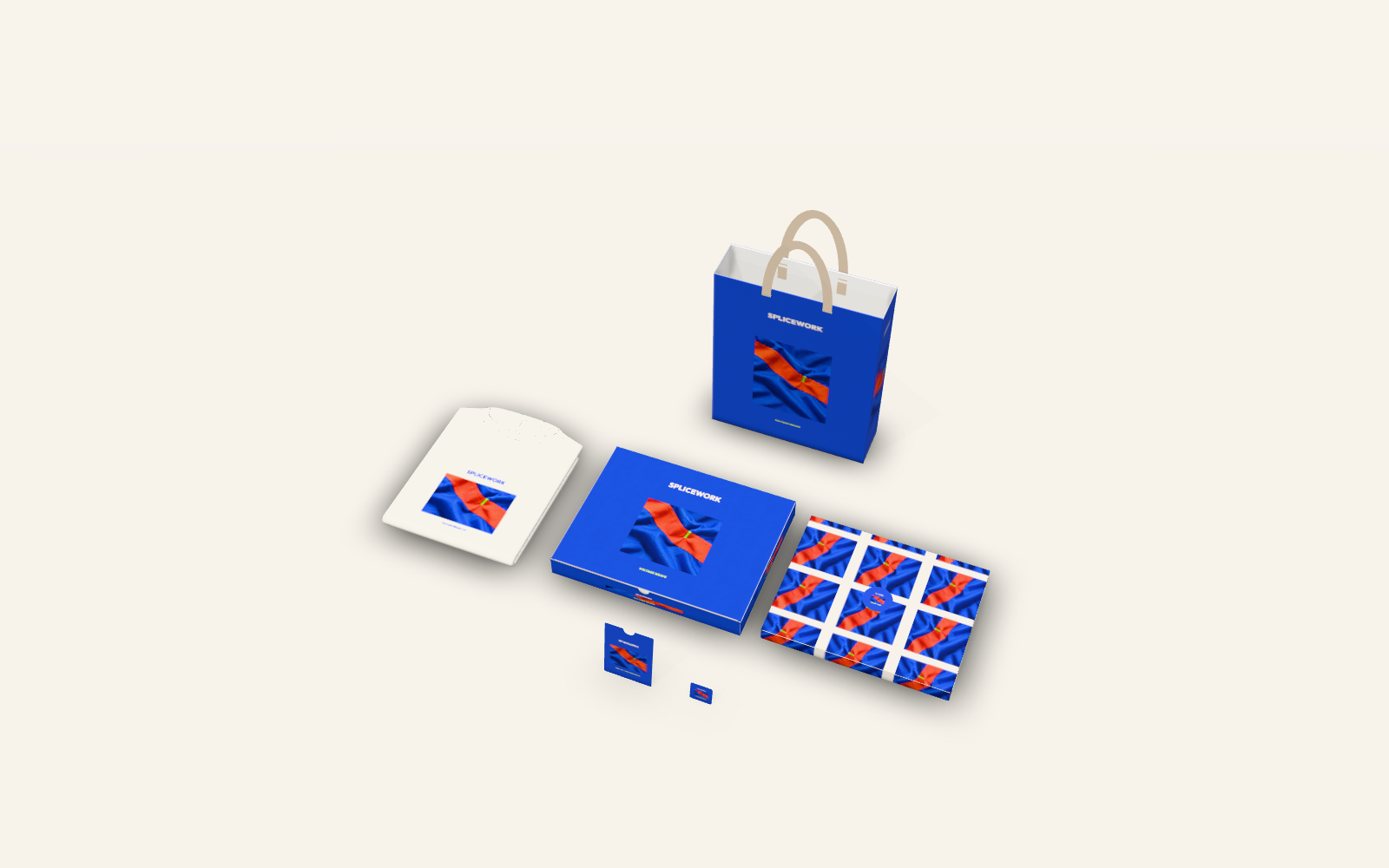
The classic garment reference and coordinated mailer, bag, wrap, card and sticker use separate editable originals.
The larger garment reference and packing pieces remain independently editable.
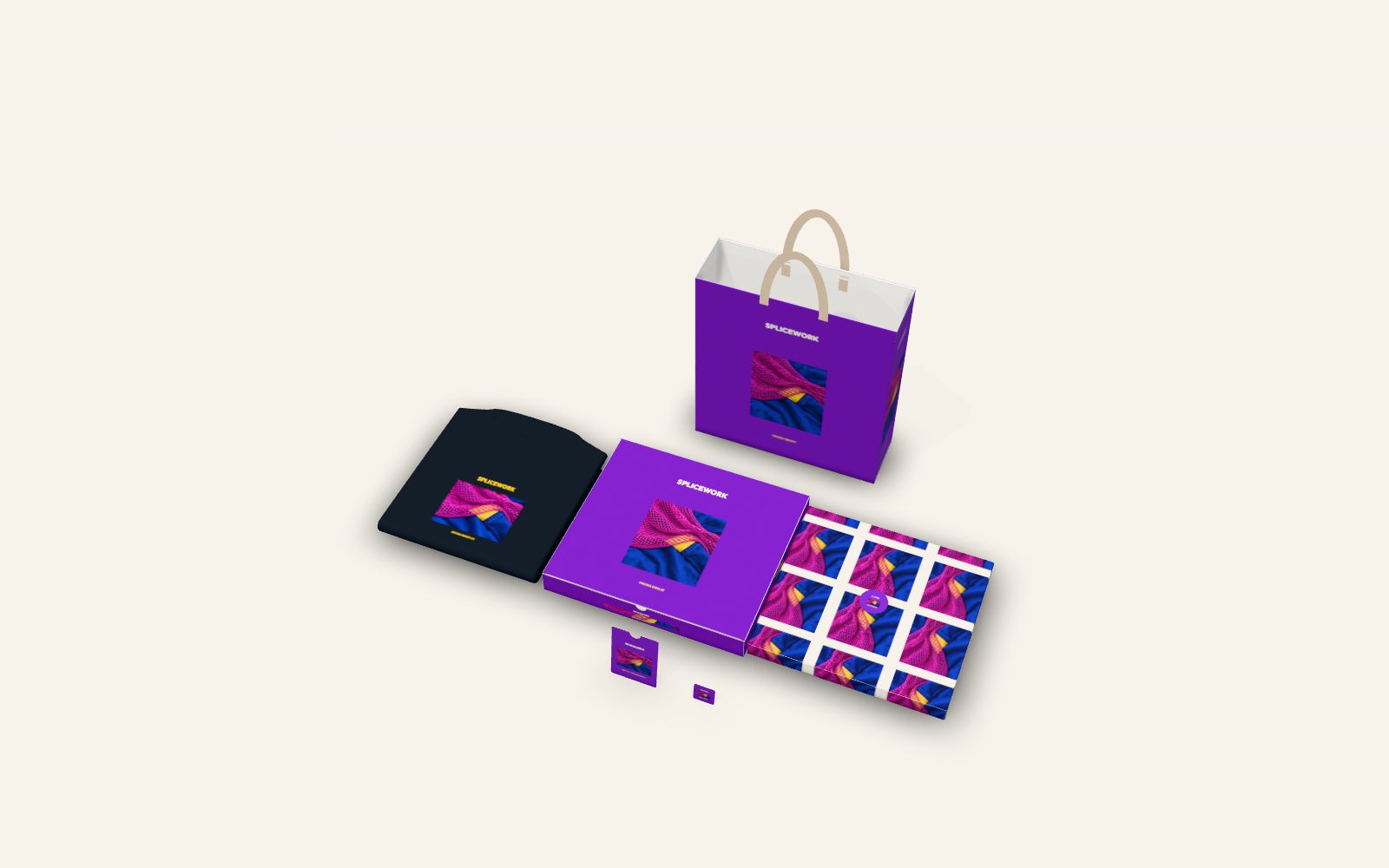
Compare the native garment references and their coordinated pieces together. The separate originals retain each design and its dimensions.
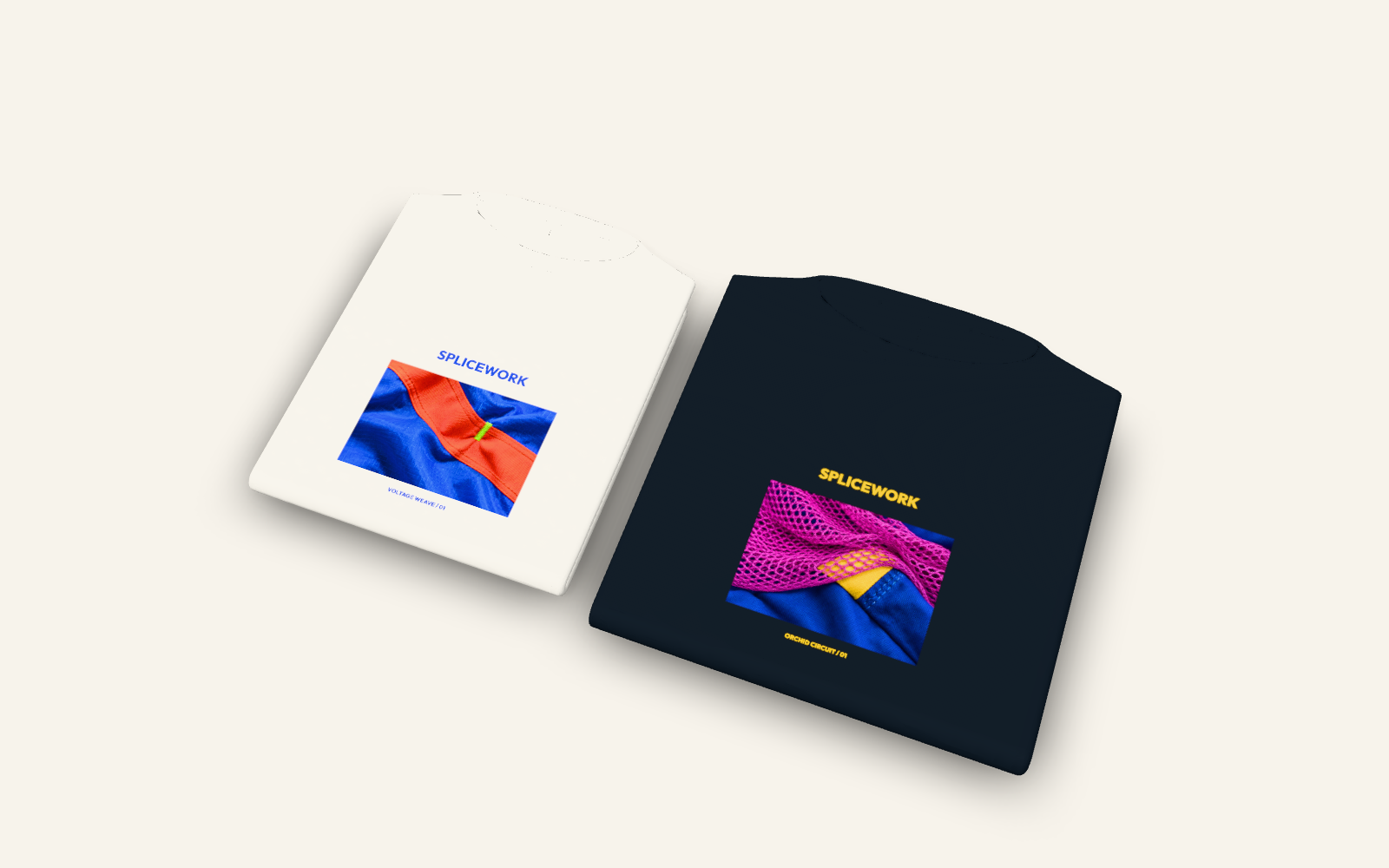
The animation shows the simplified native garment and artwork through its fold. It does not establish a factory folding sequence or fabric behavior.

A classic native tee reference and compact coordinated packing pieces.
520 × 720 mm torso reference
Paper 170 decoration guide · actual garment fabric not specified
Decoration placement guide
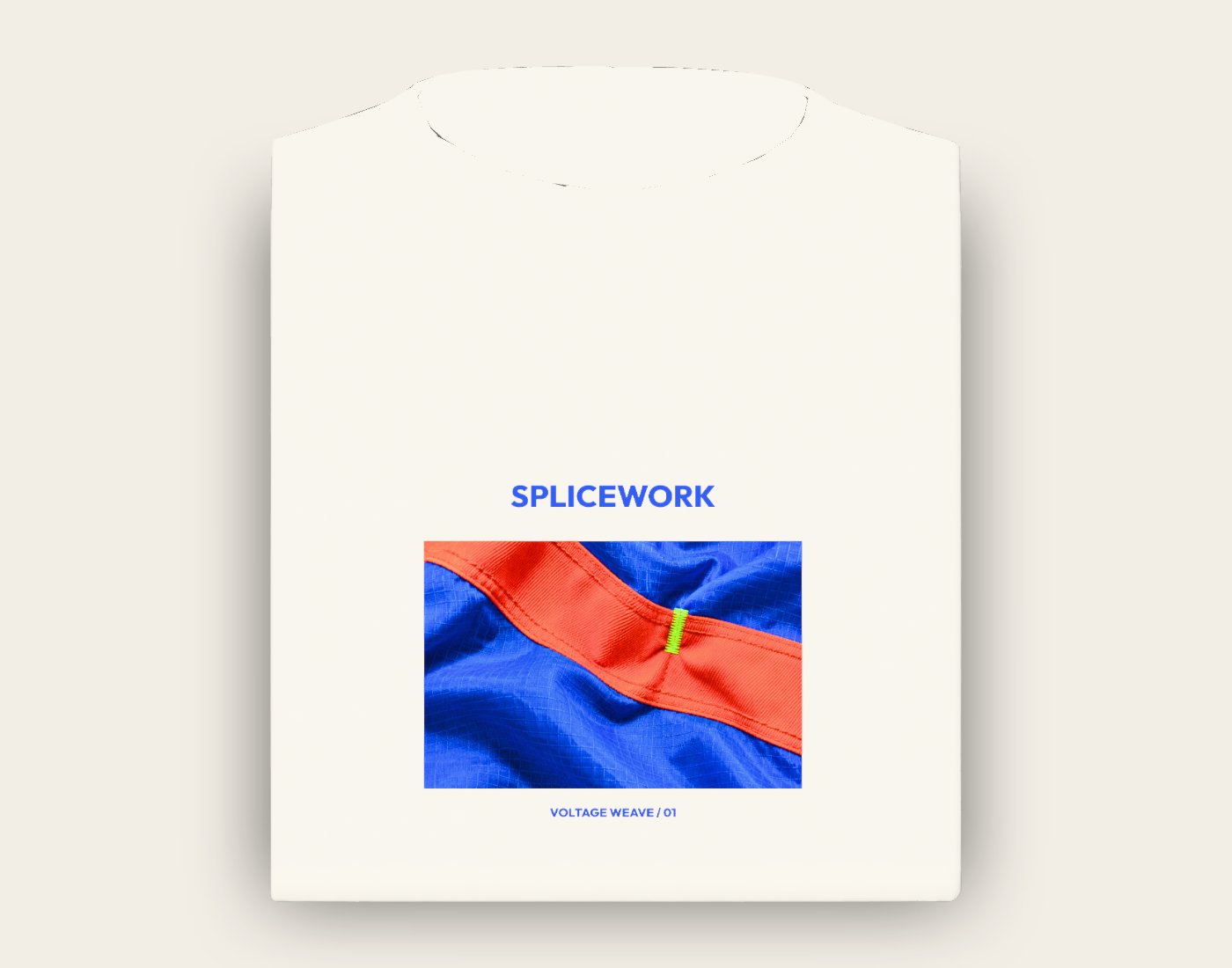
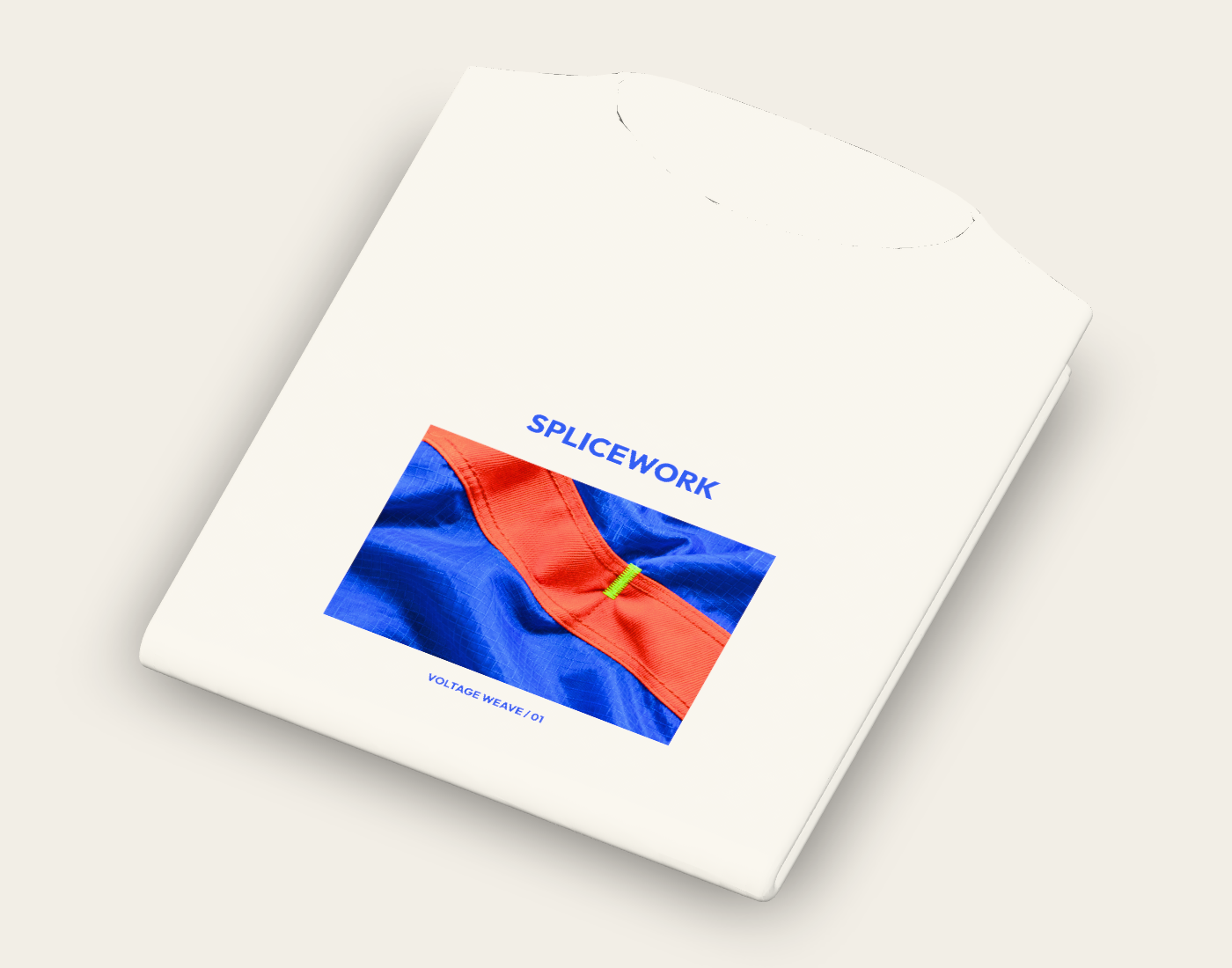

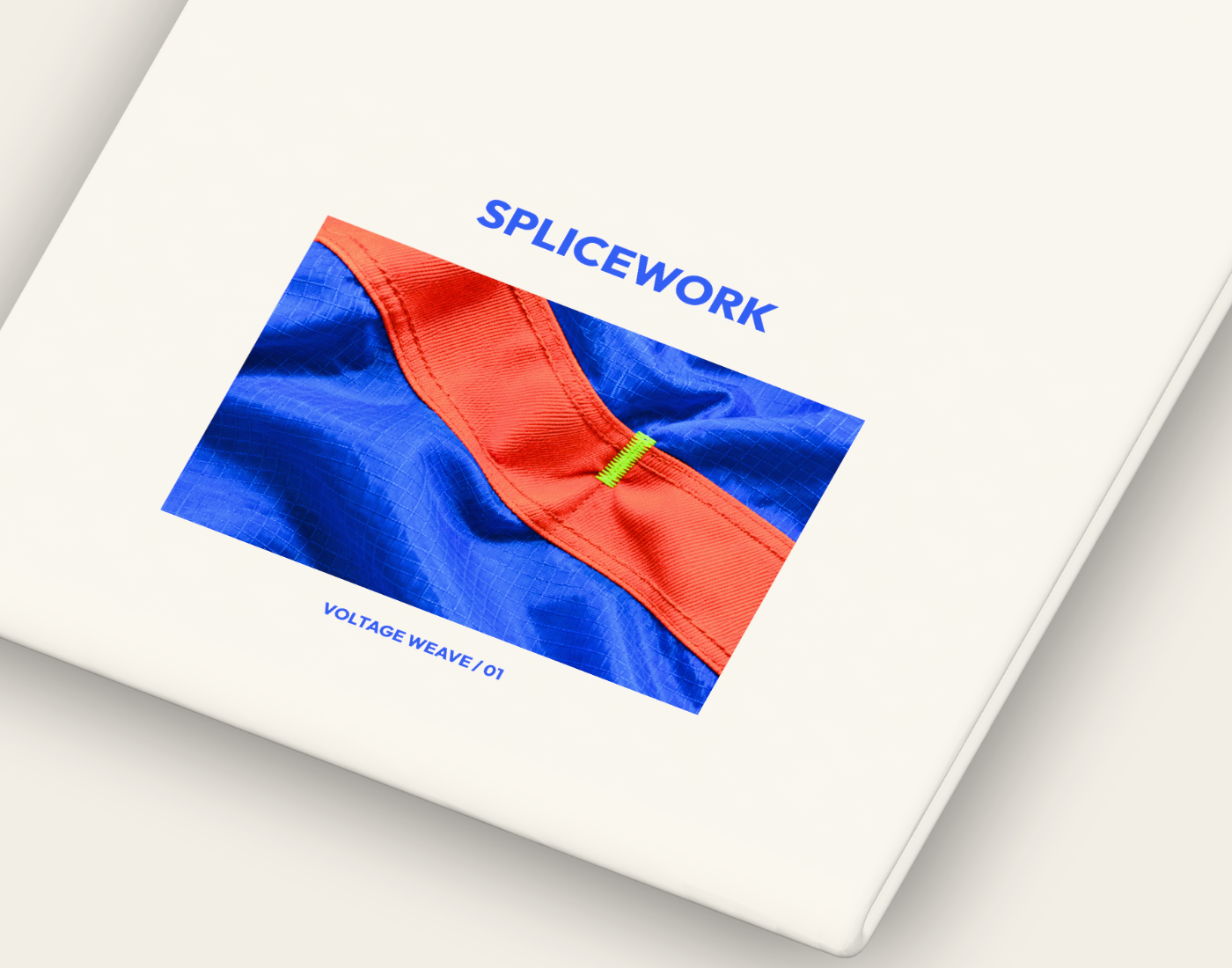
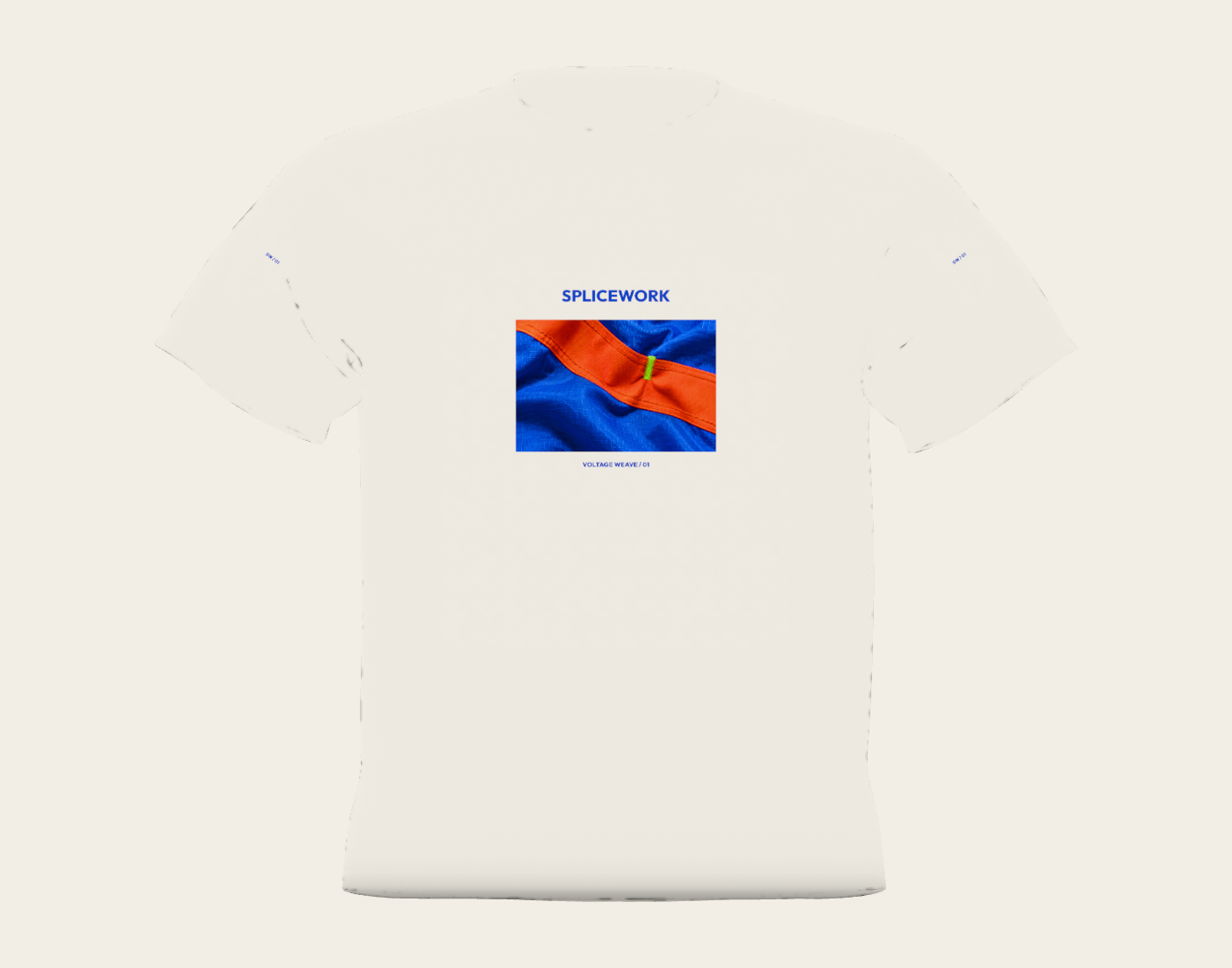
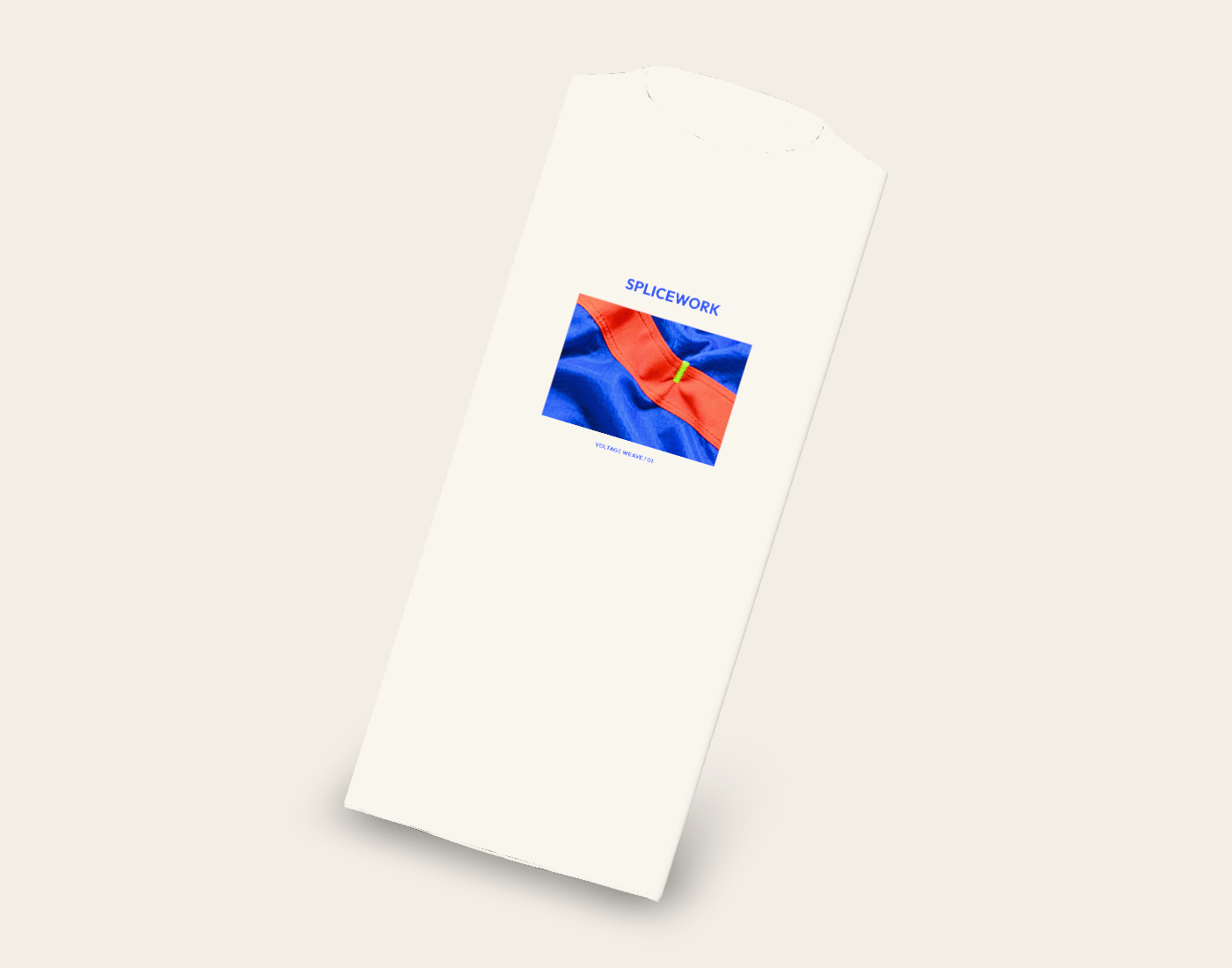
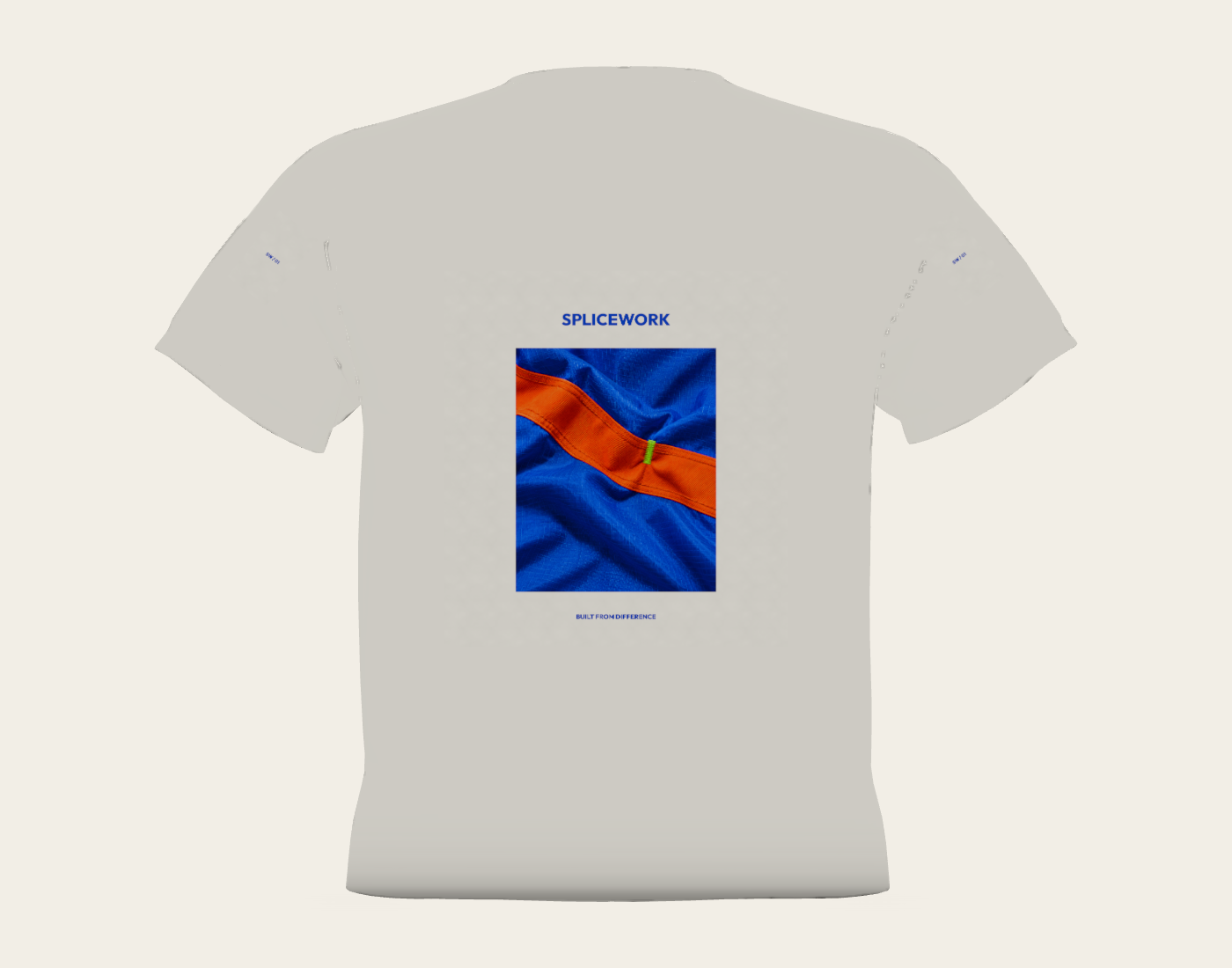
Front, back and independent sleeve artwork follow the native folded shape. Torso-reference dimensions are not graded clothing sizes or the full sleeve span. The folded envelope is measured separately. The native garment and fold are simplified visual references, not sewing patterns. Check actual folded garments before ordering packaging.
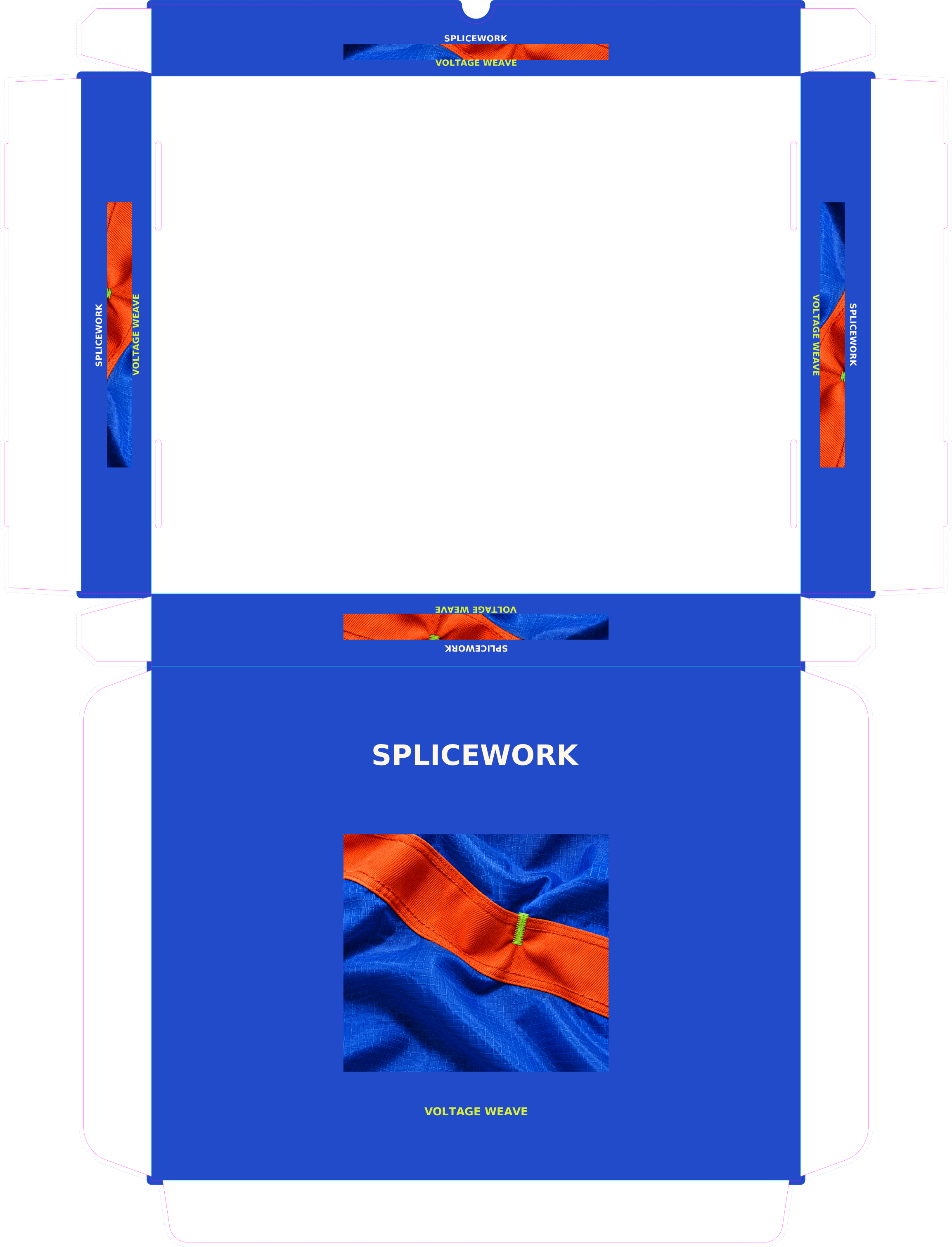
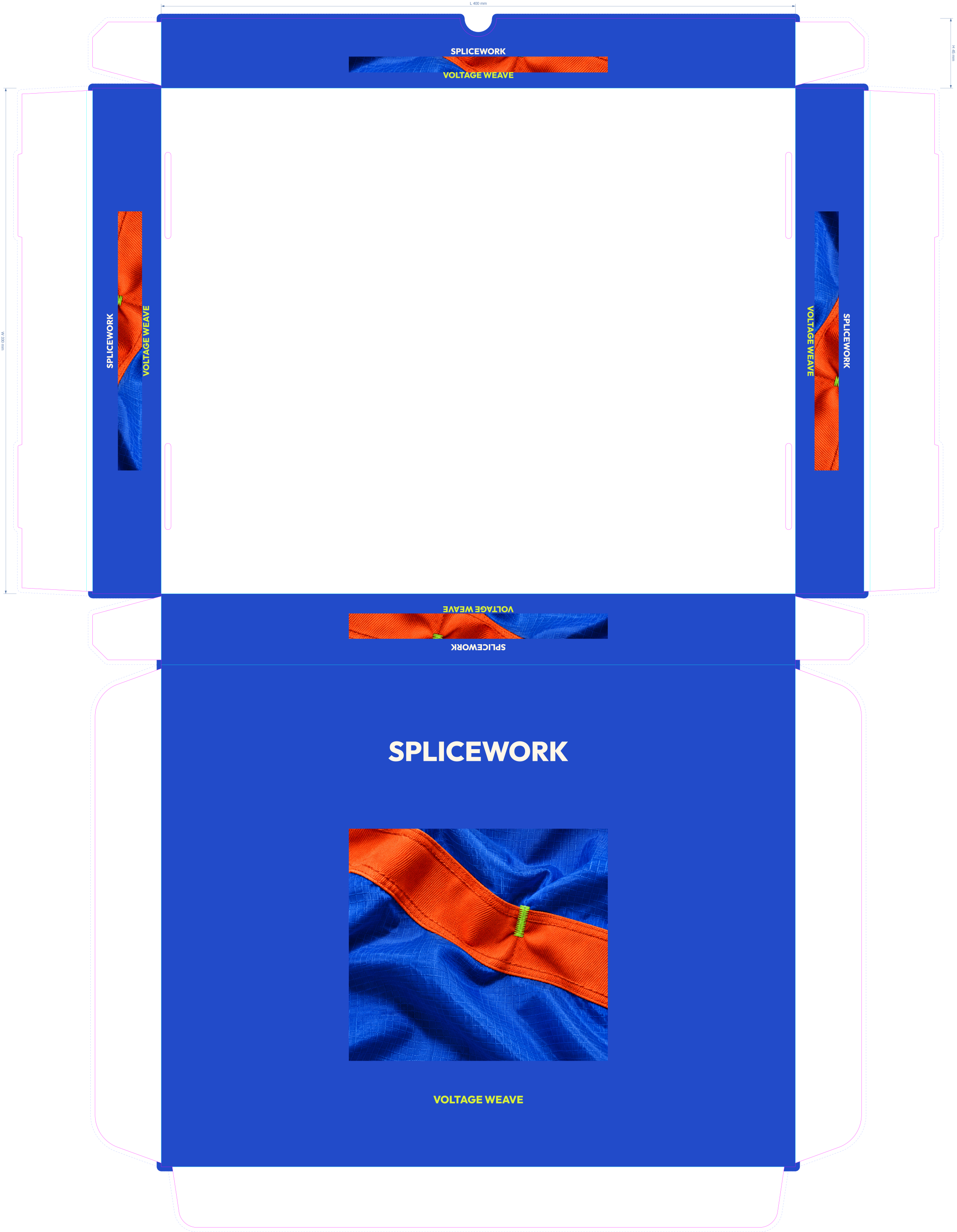
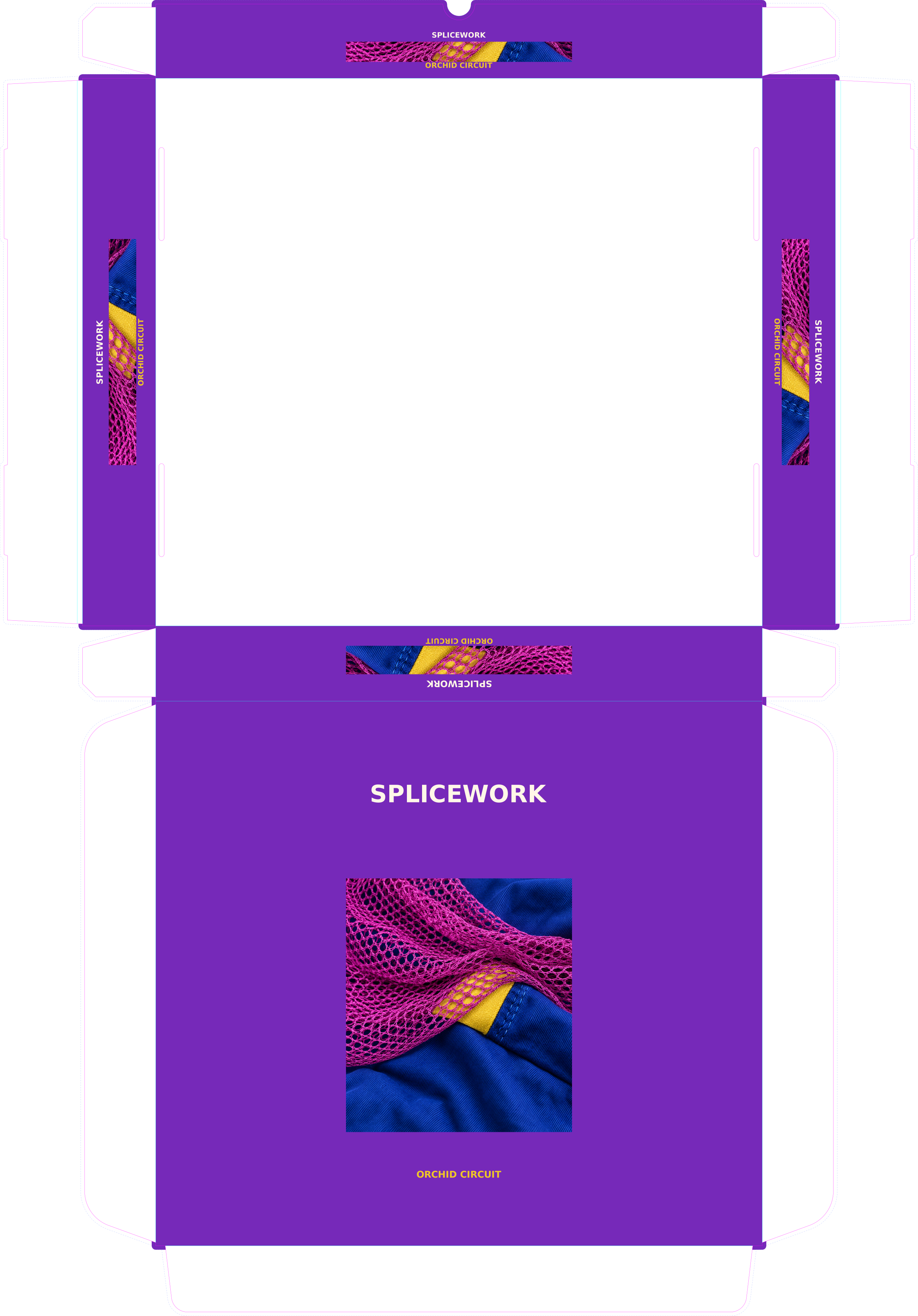
400 × 330 × 45 mm inside
White E-flute
Structural board dieline
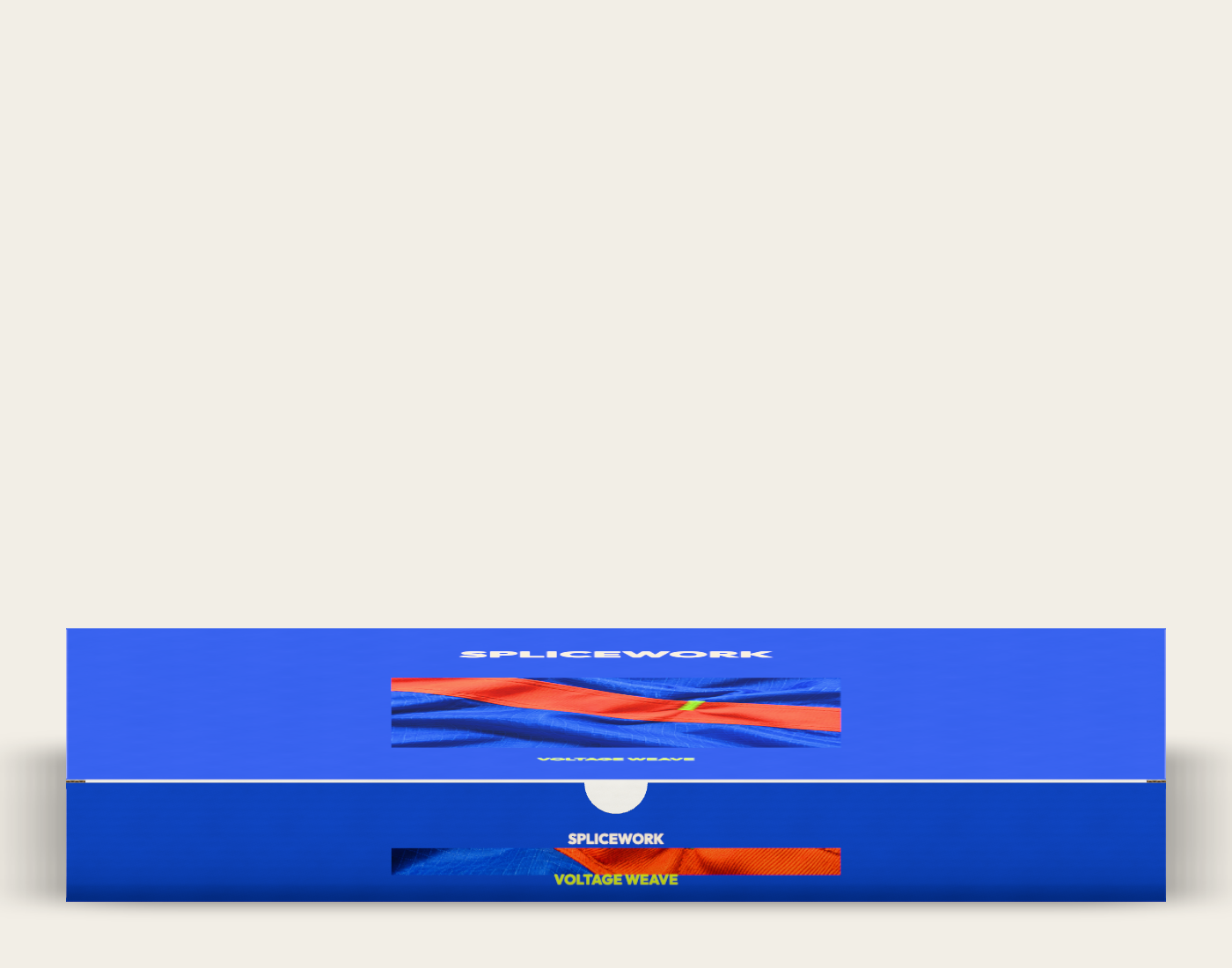
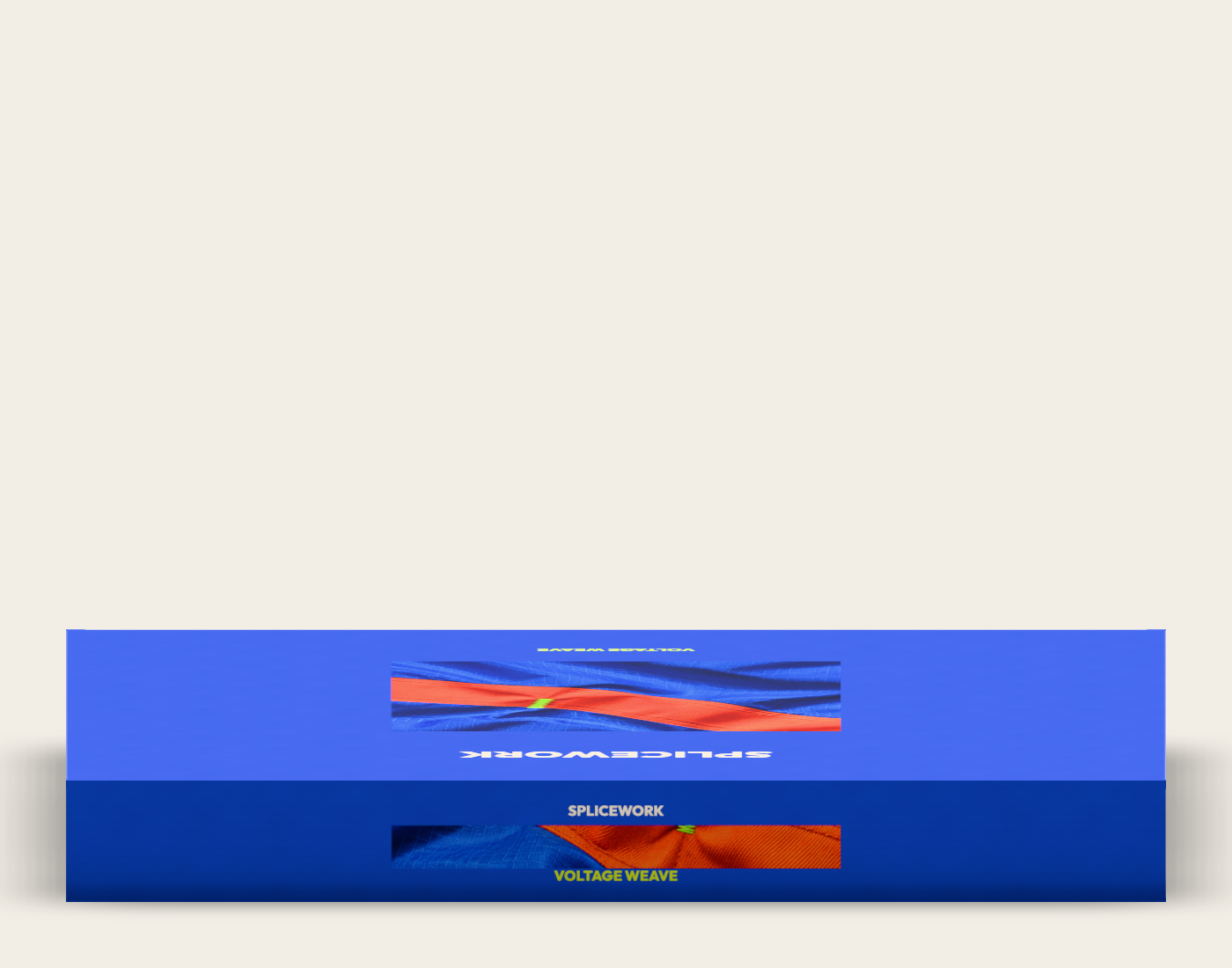
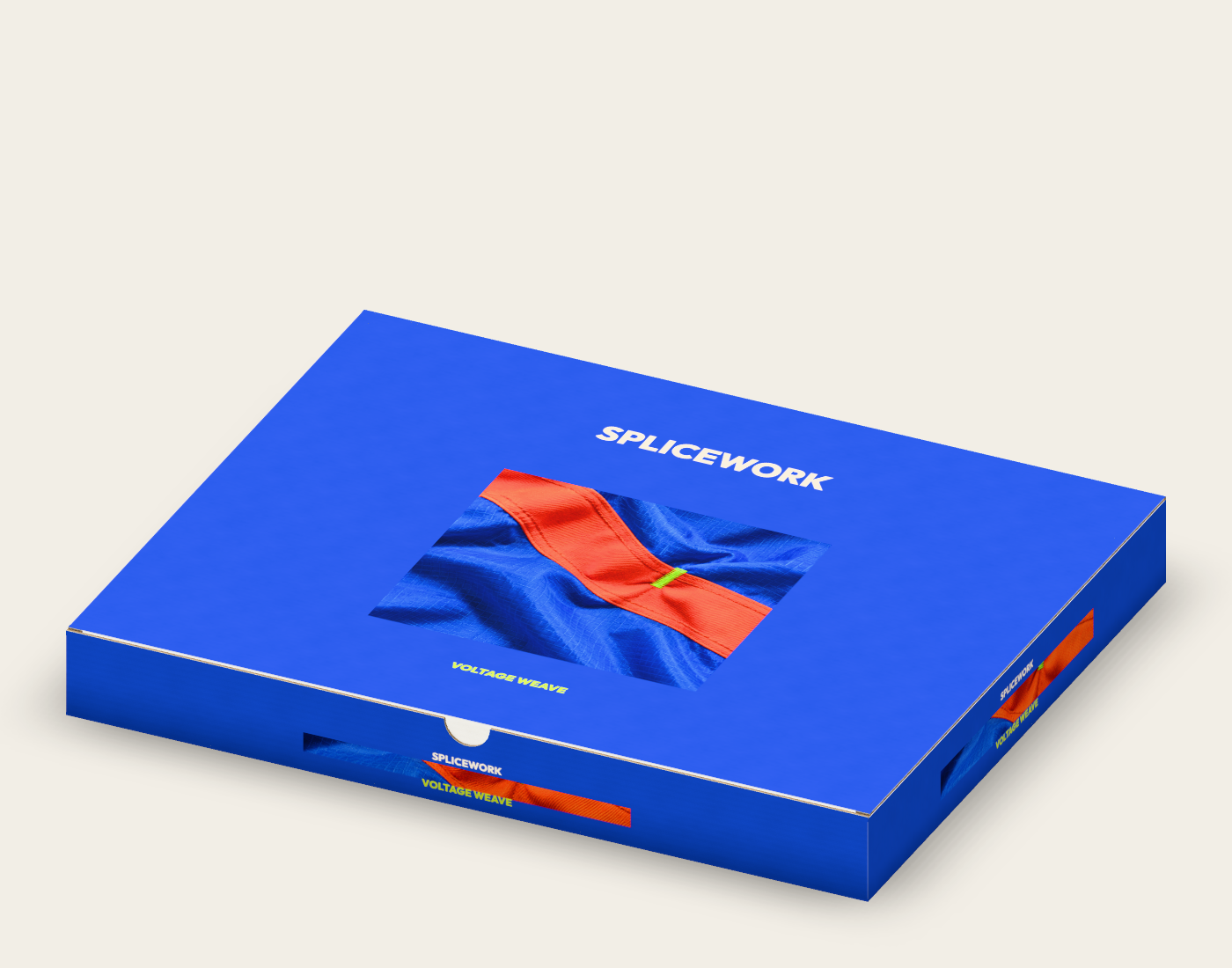
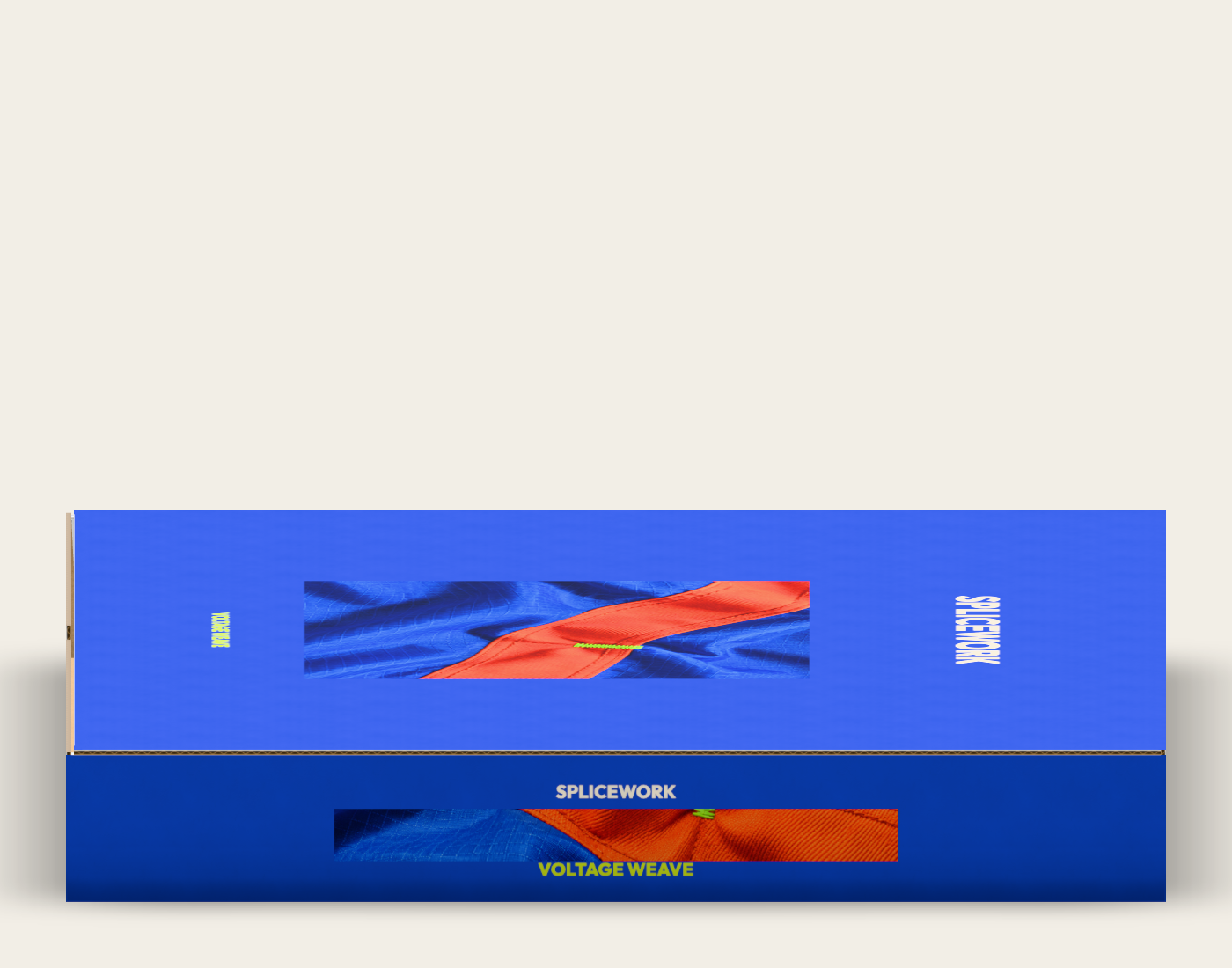
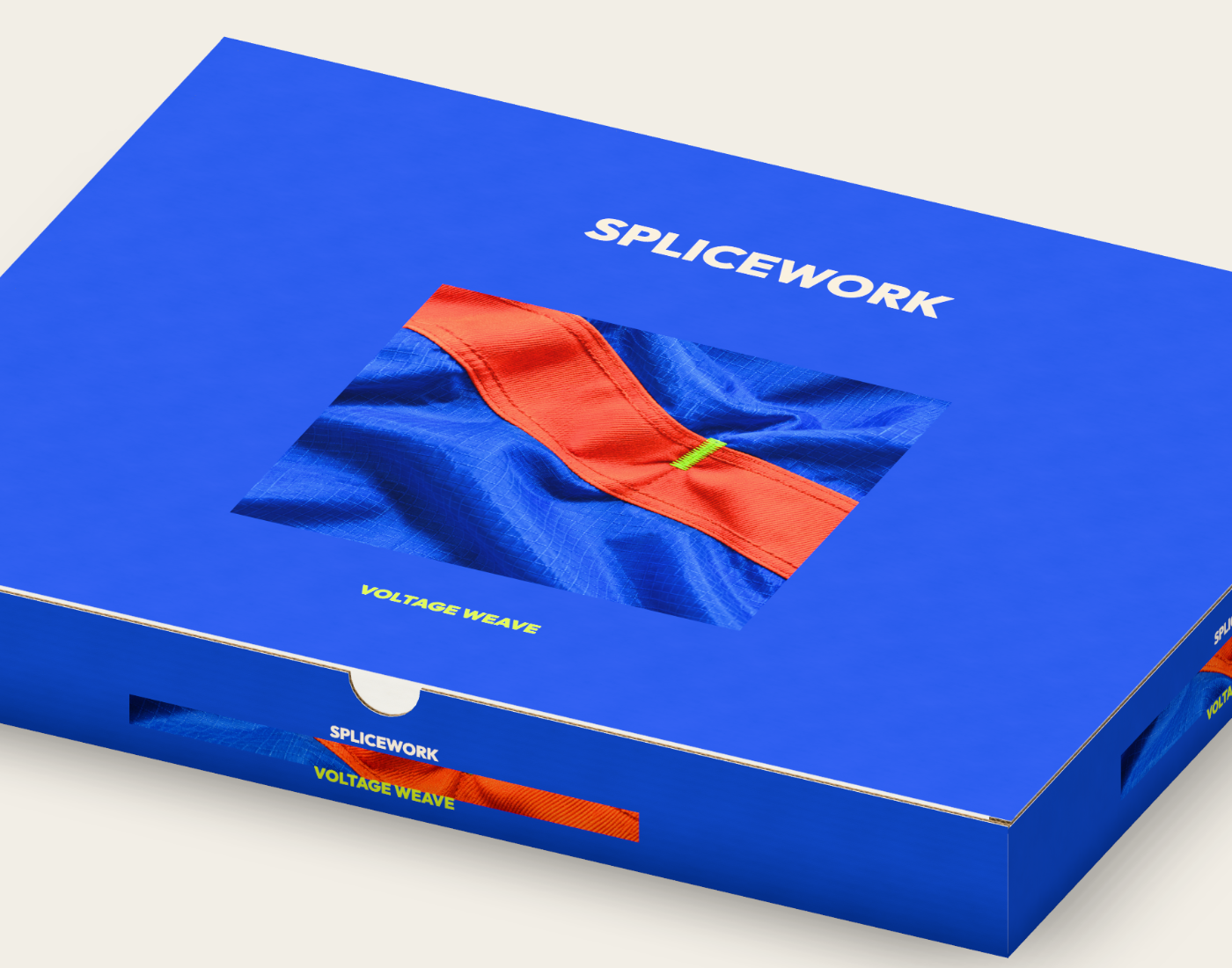
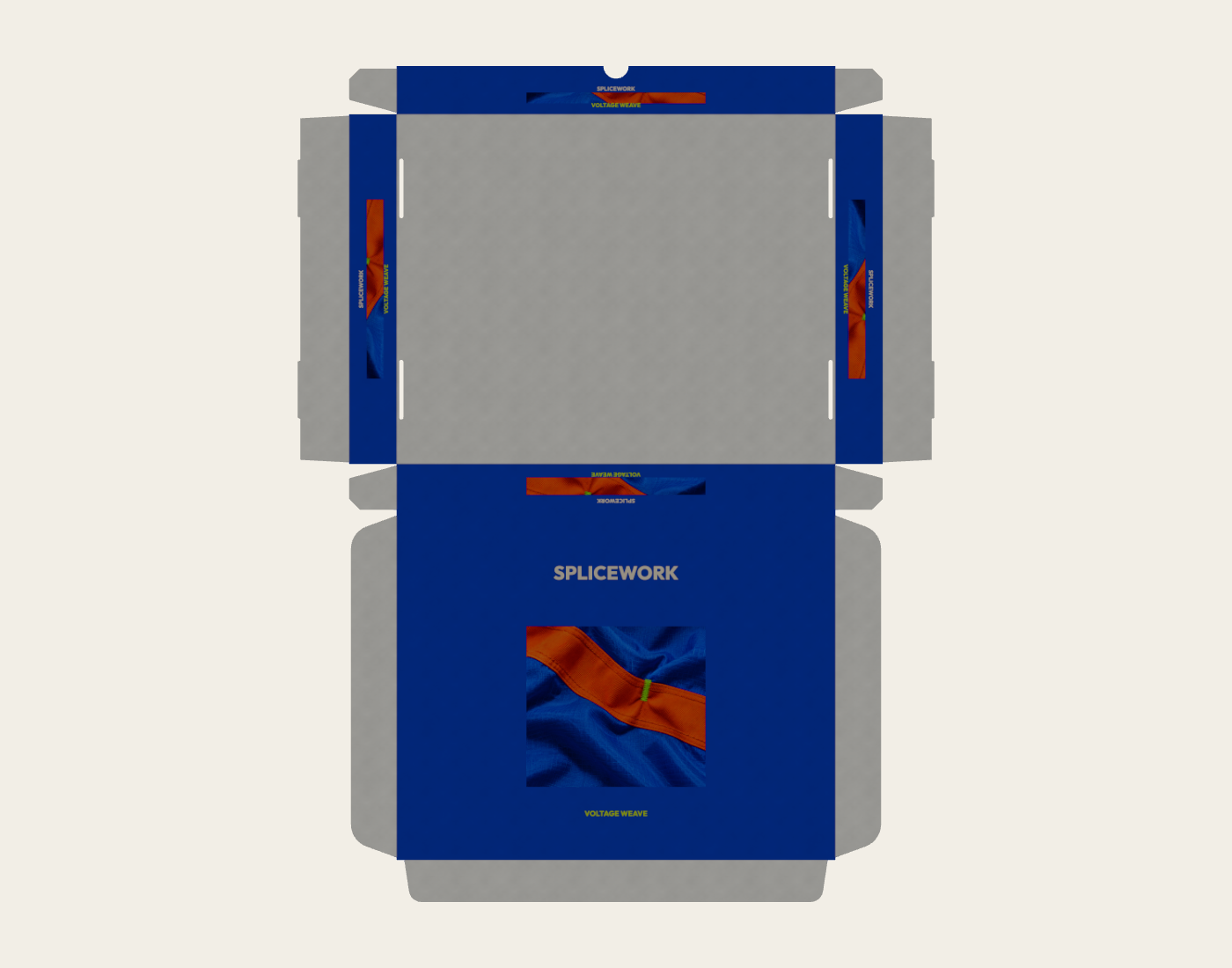
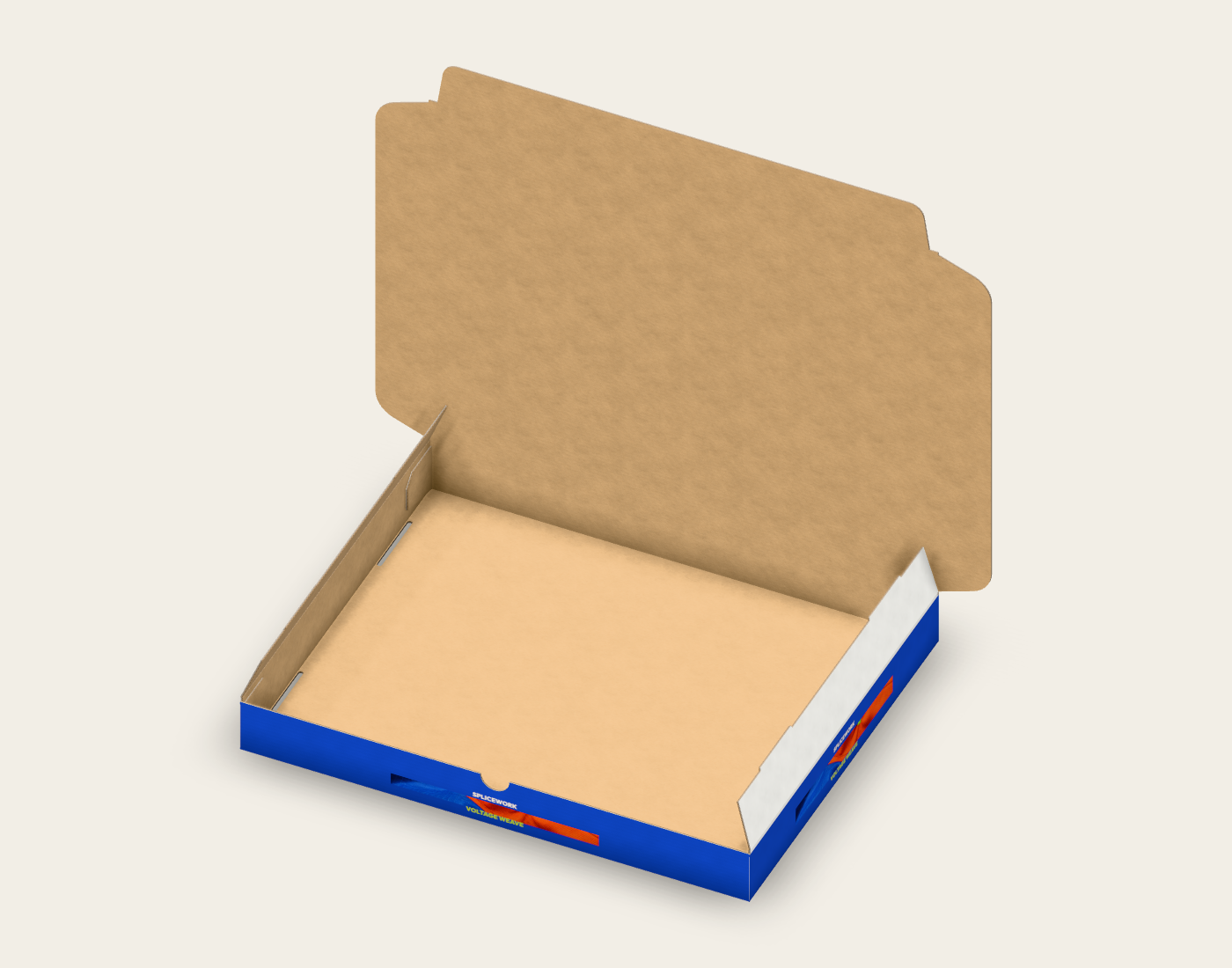
Review the actual folded garment bounds against the usable cavity and wall caliper. Digital fit is separate from garment variation, closure allowance and transit testing.
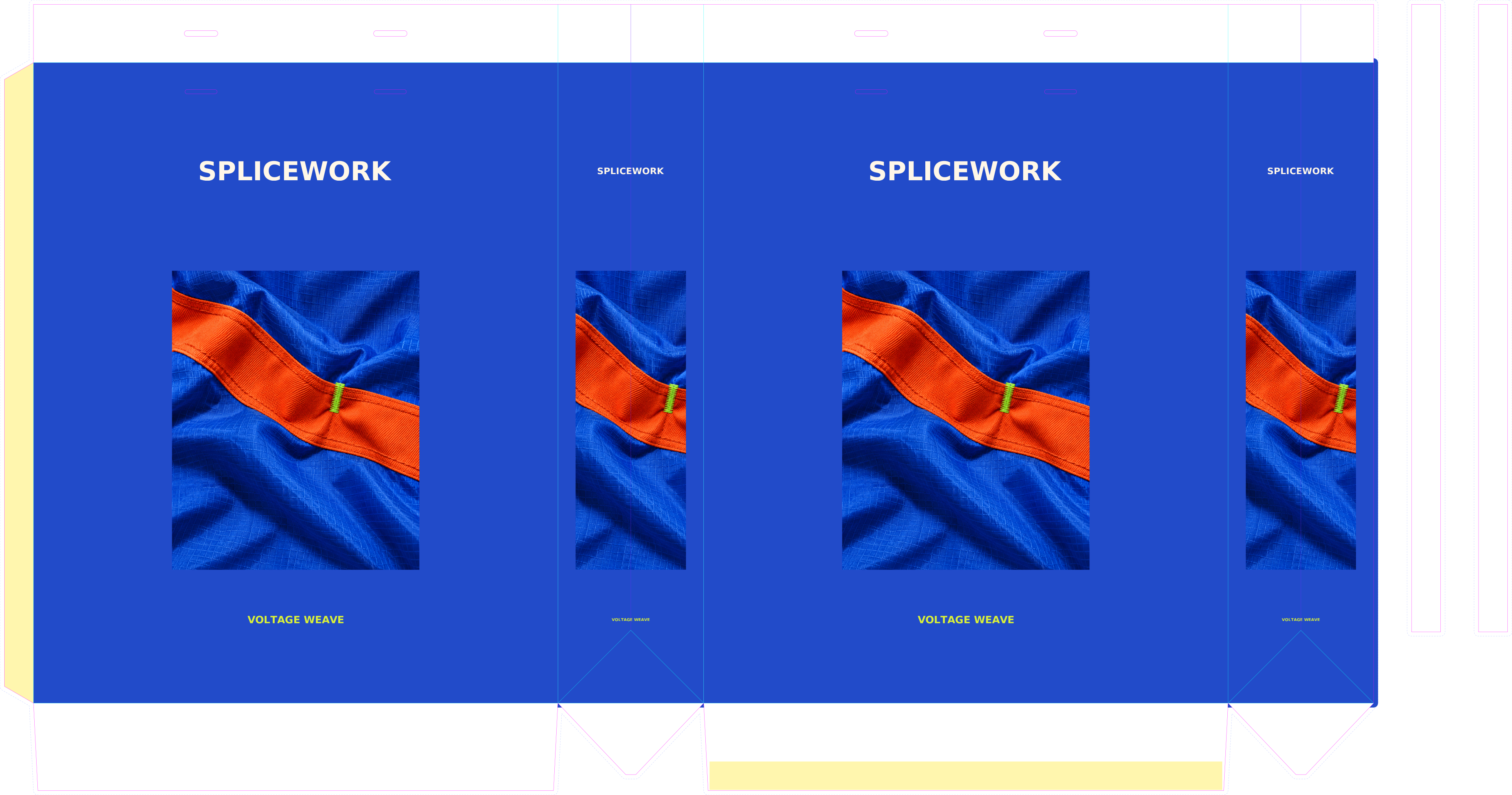
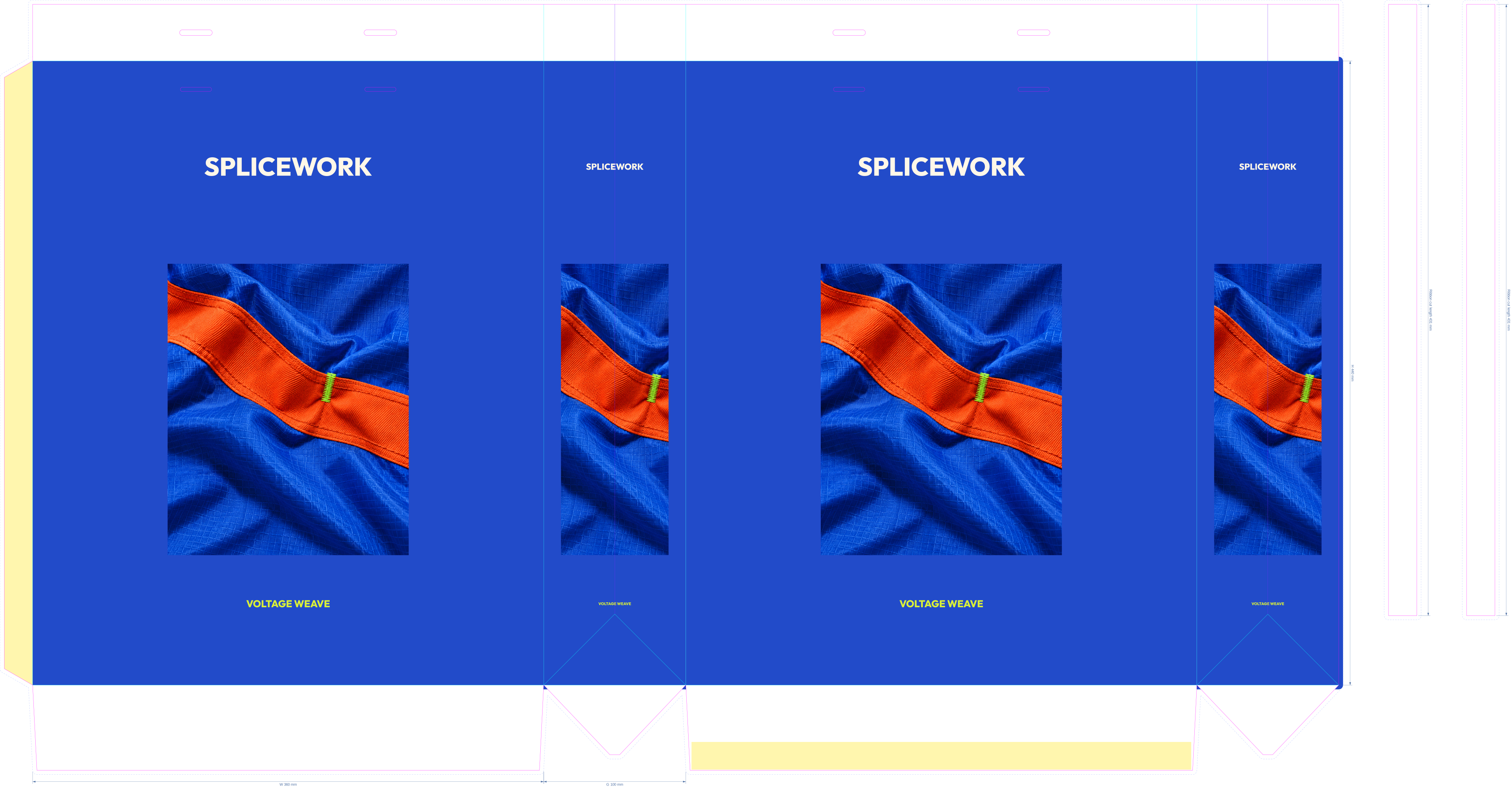
360 × 100 × 440 mm
Paper 170 · satin ribbon handles
Paper bag blank and handle references
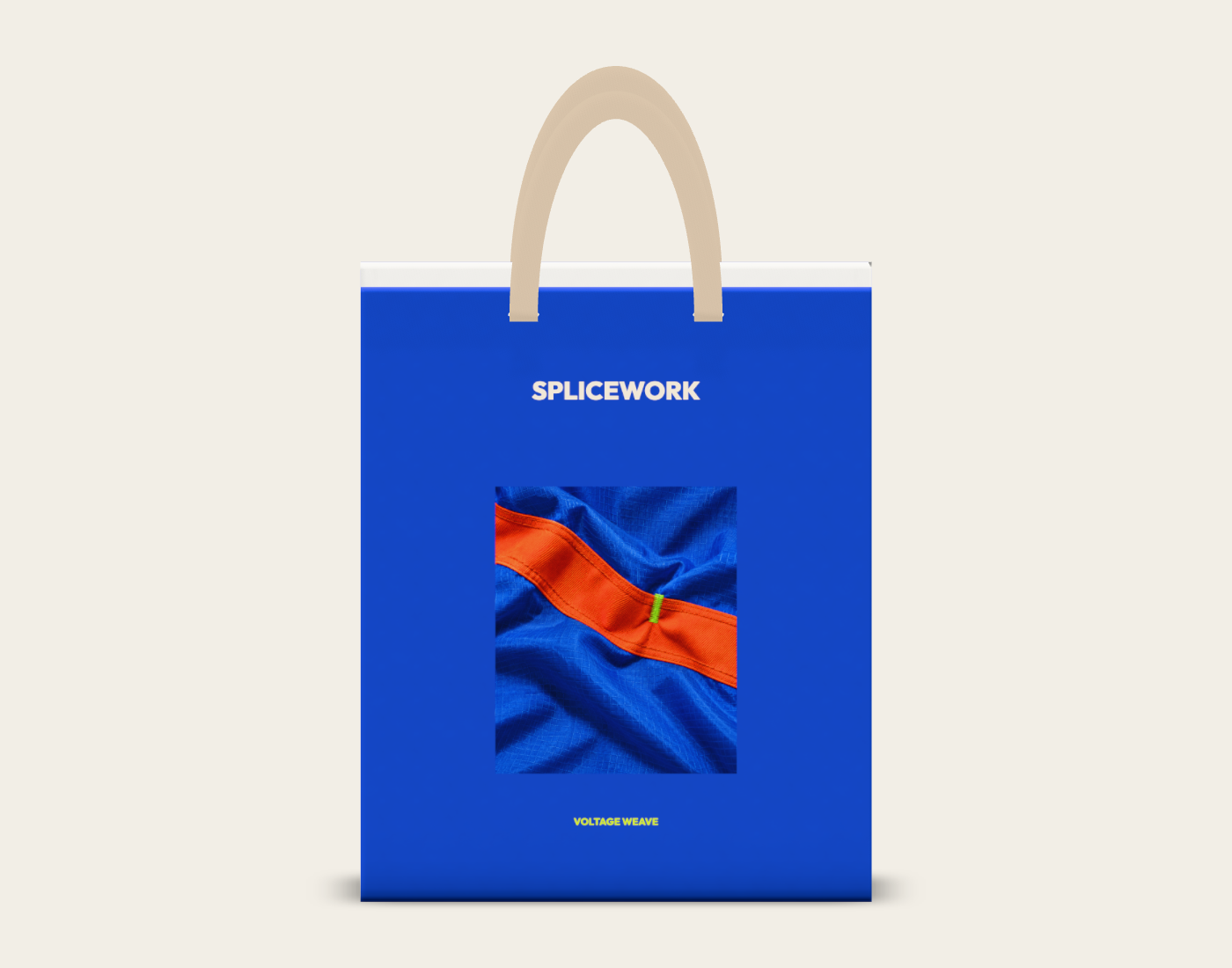
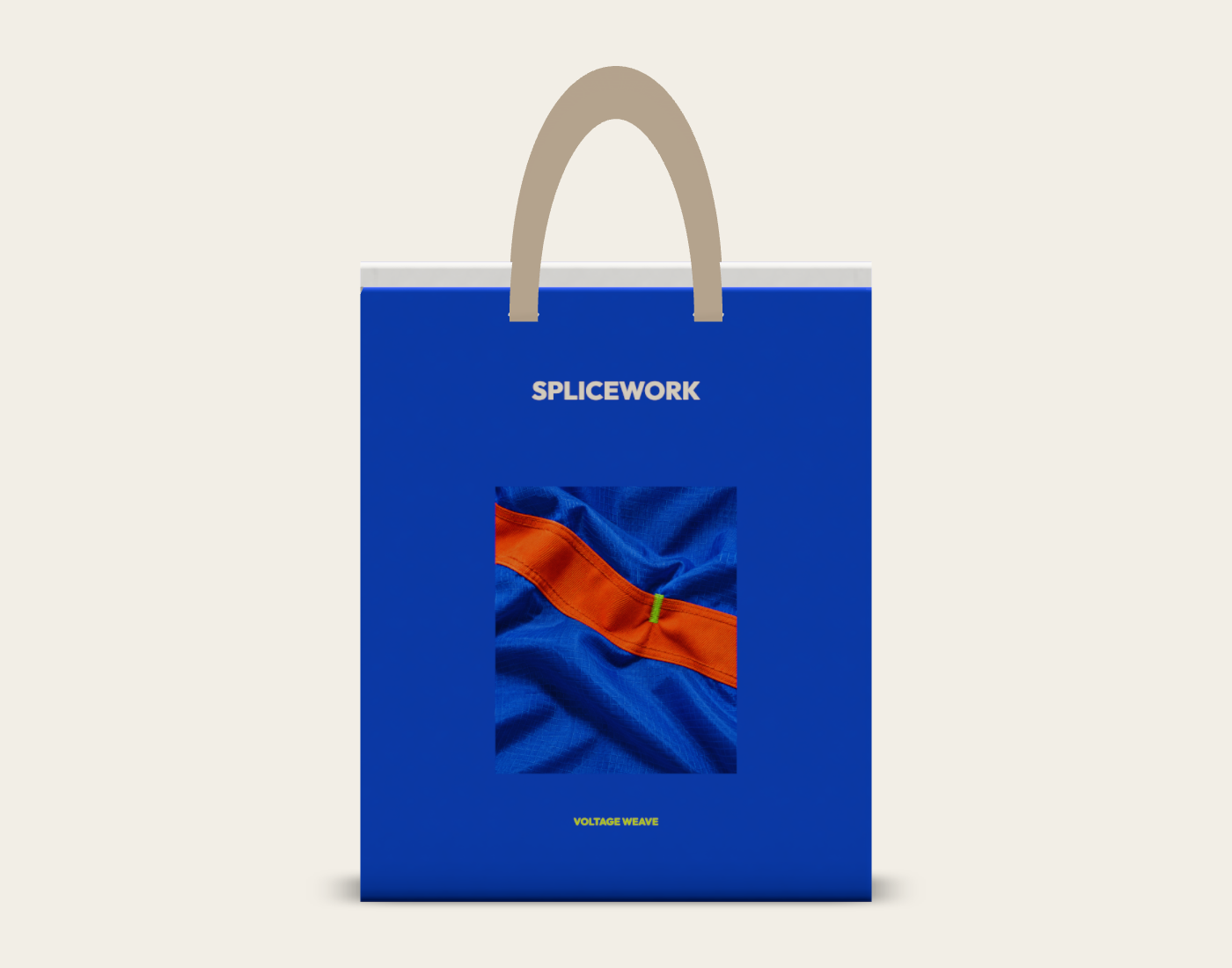

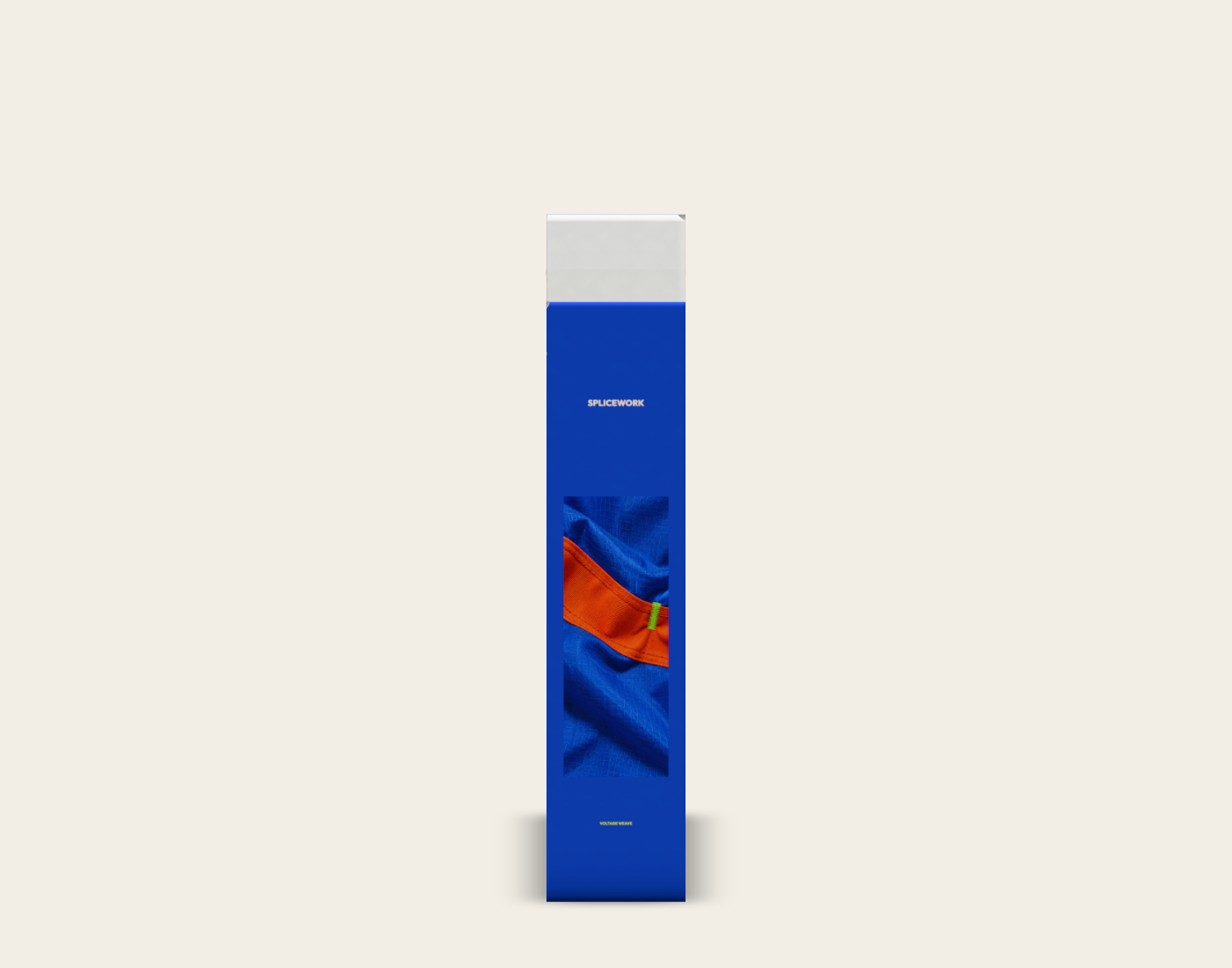
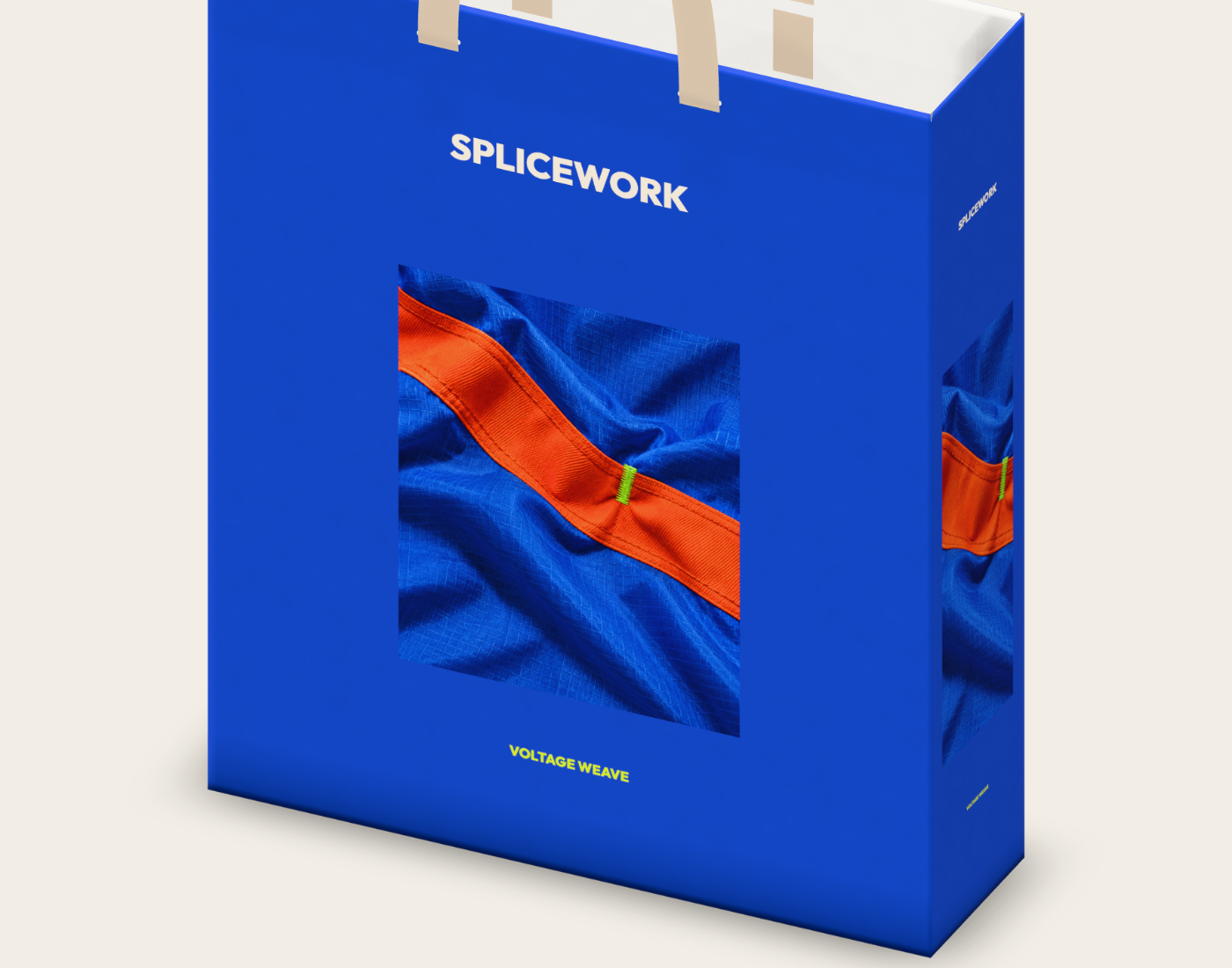
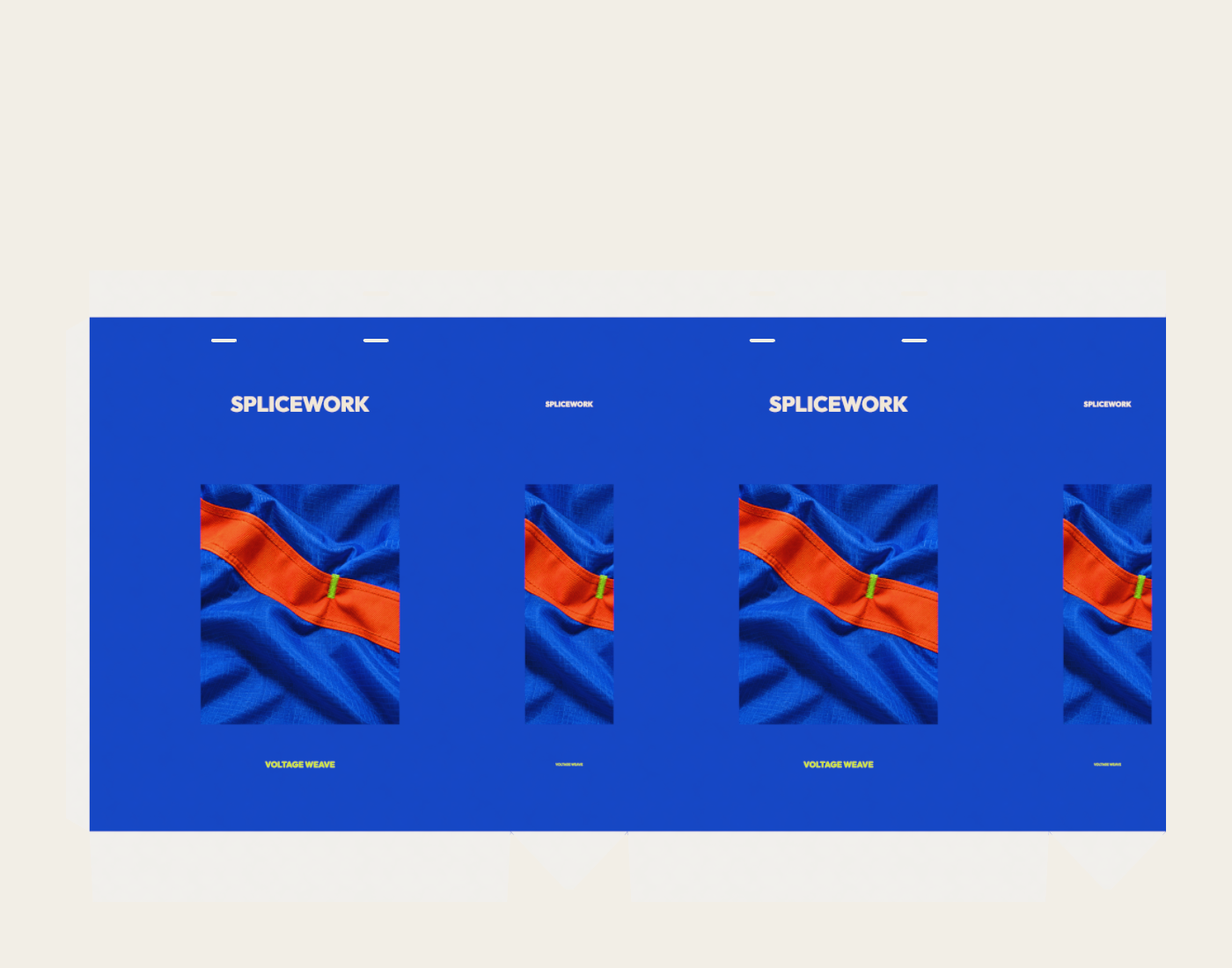
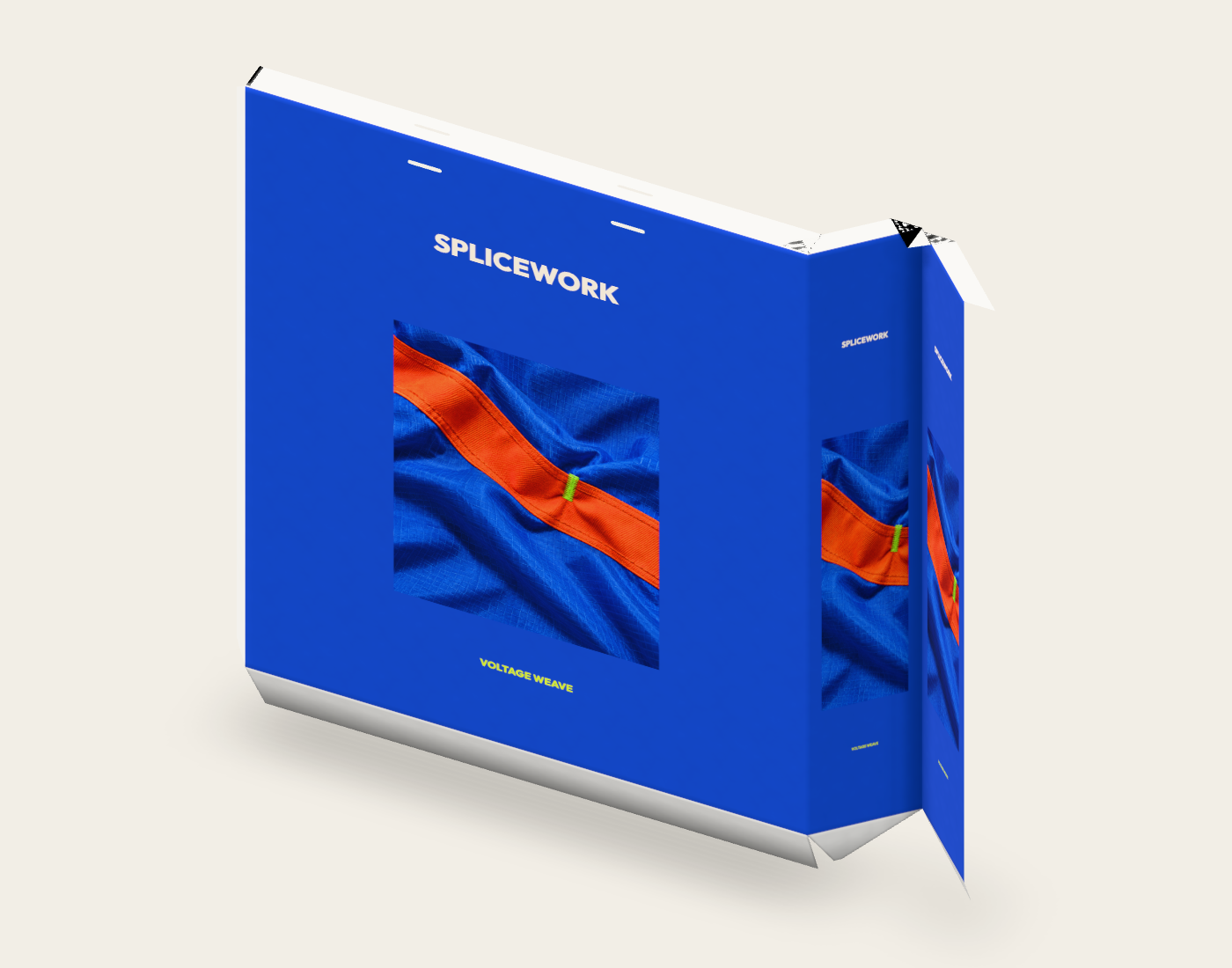

Modeled ribbon loops use 20 mm ribbon, 130 mm slot spacing, 150 mm drop and a 40 mm top fold. Handle strength, reinforcement and finished load capacity need supplier checks.
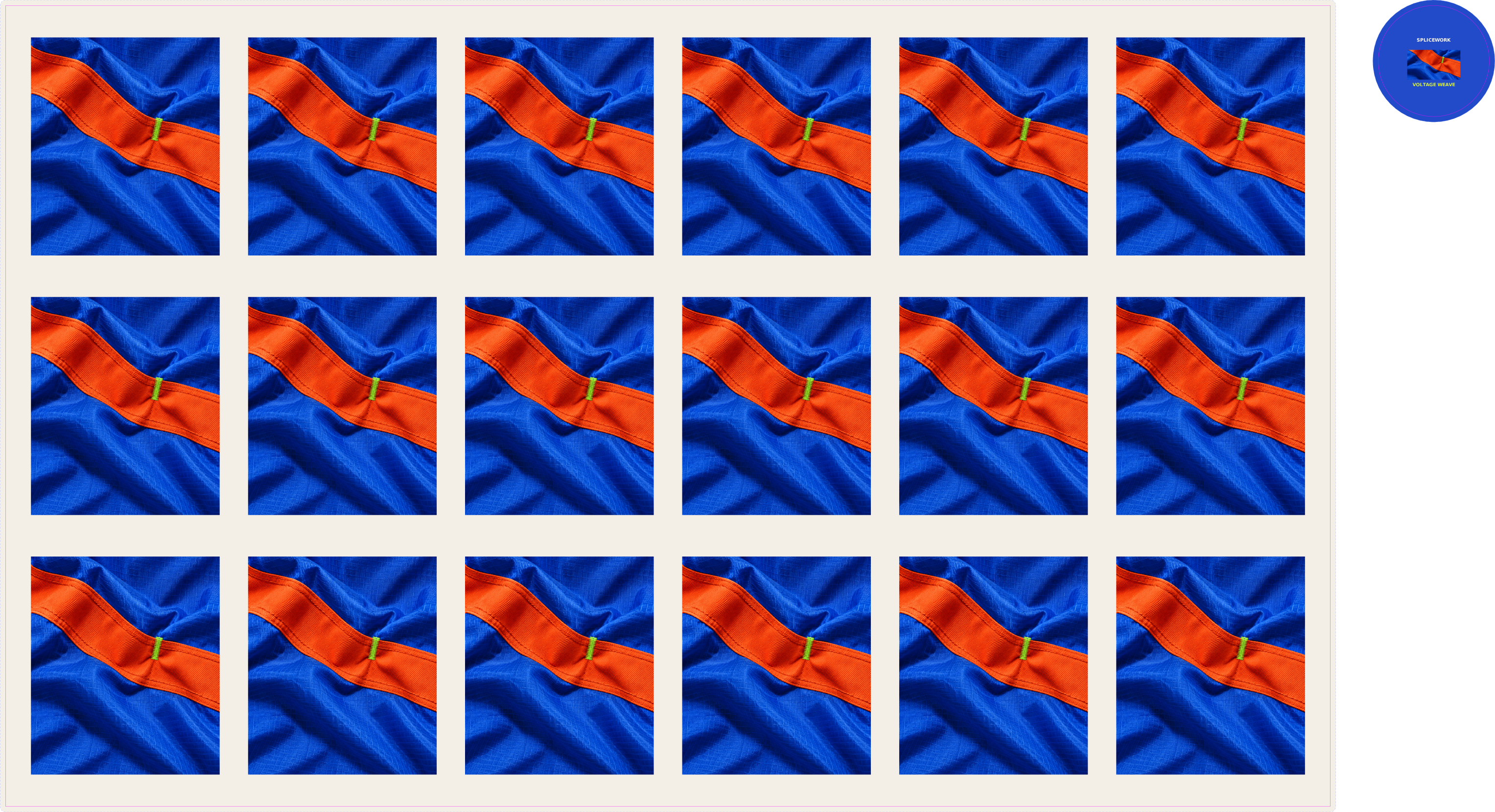
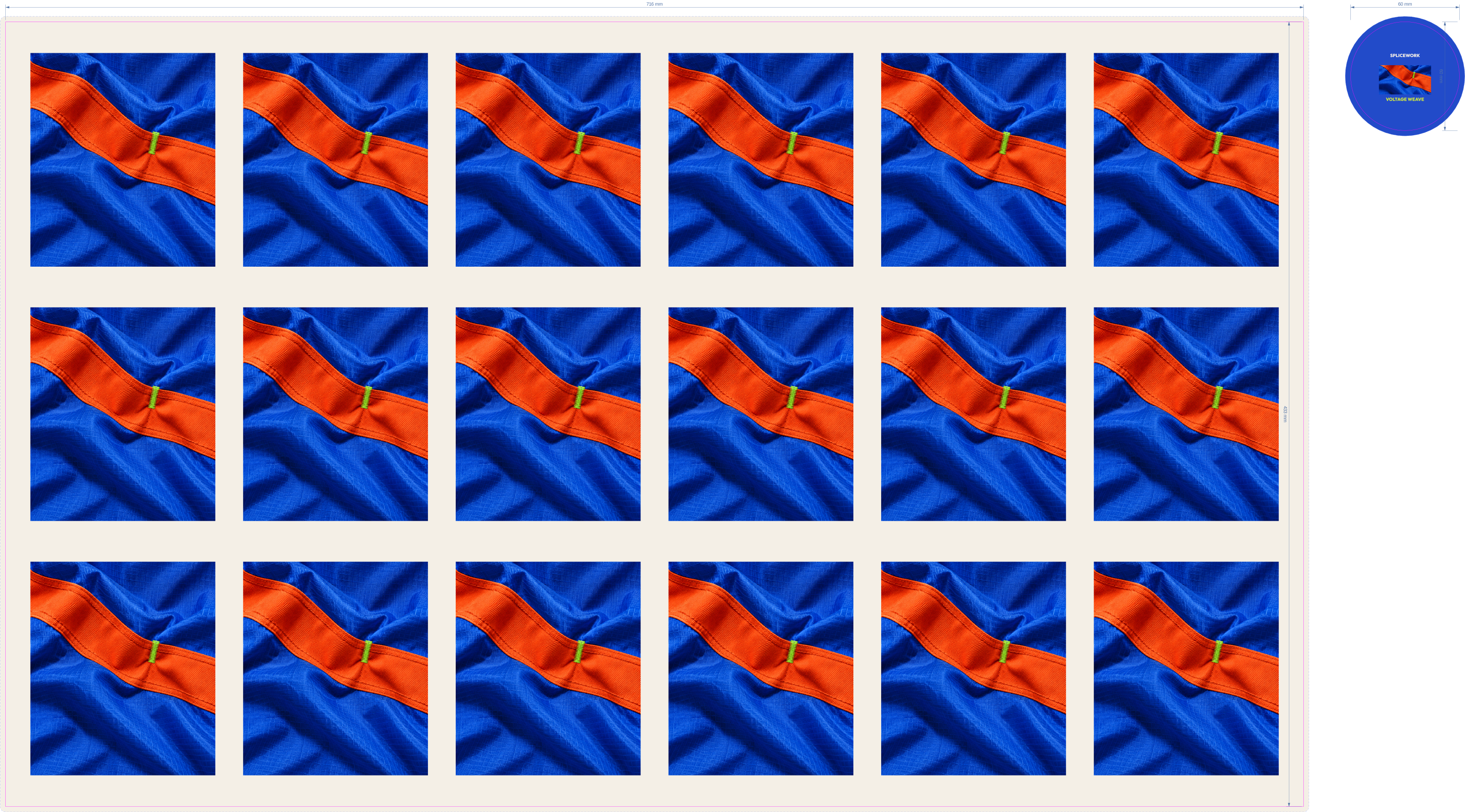
383 × 313 × 30 mm reference envelope
Paper 170 reference stock
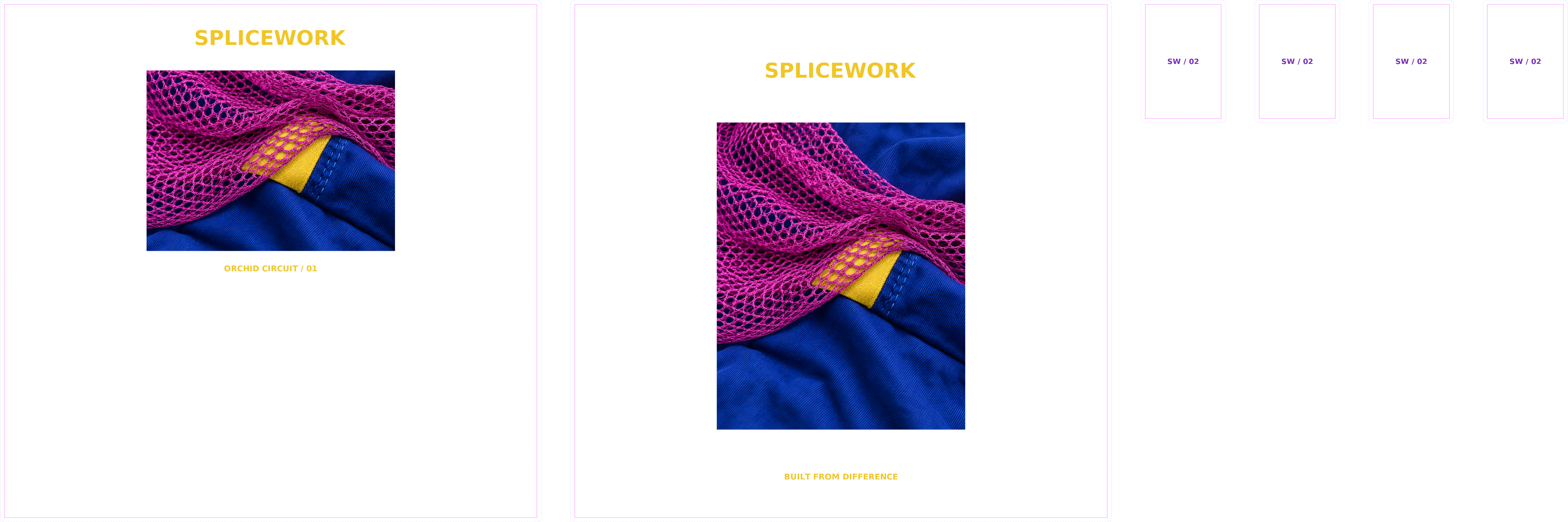
Generic parcel-wrap reference
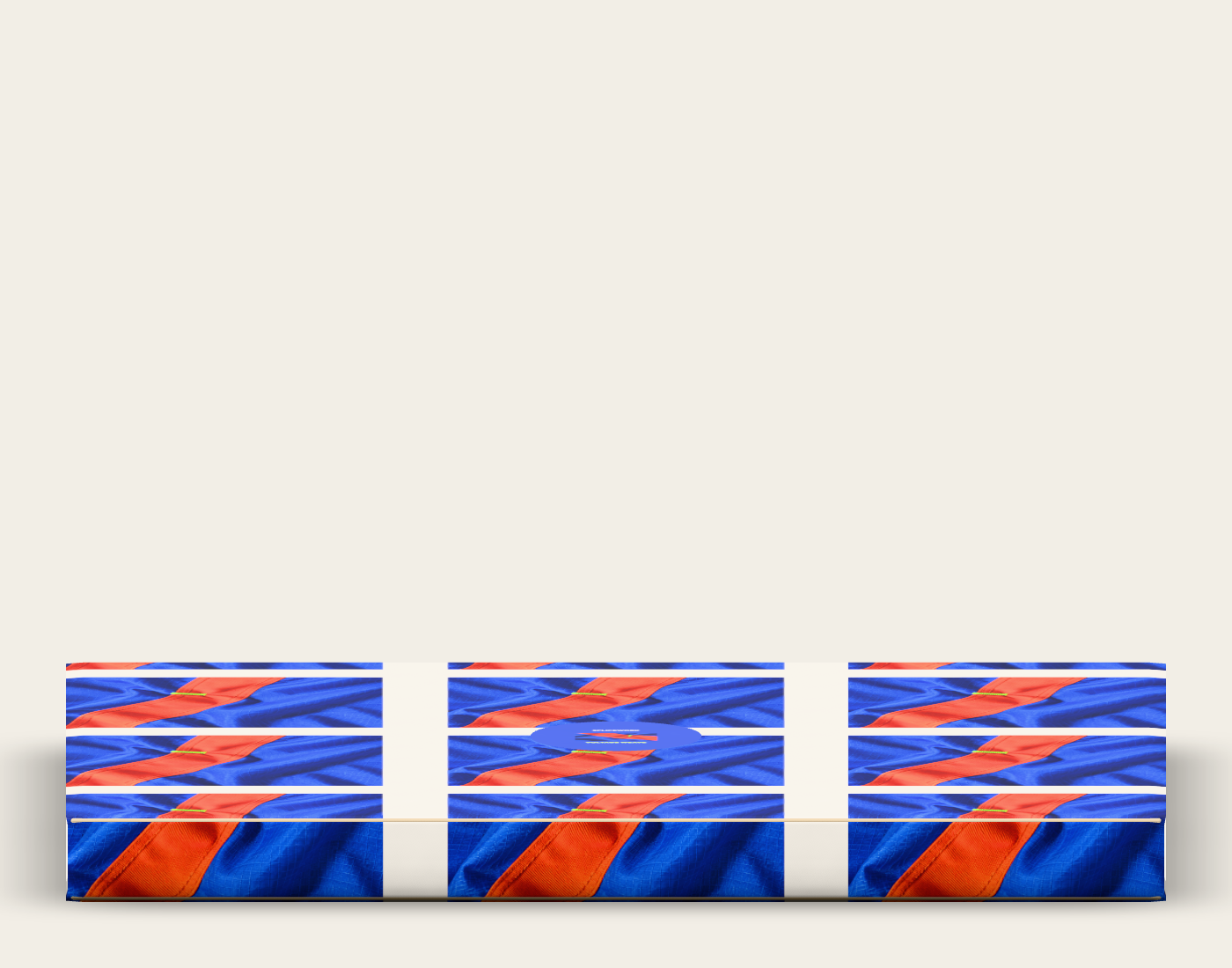
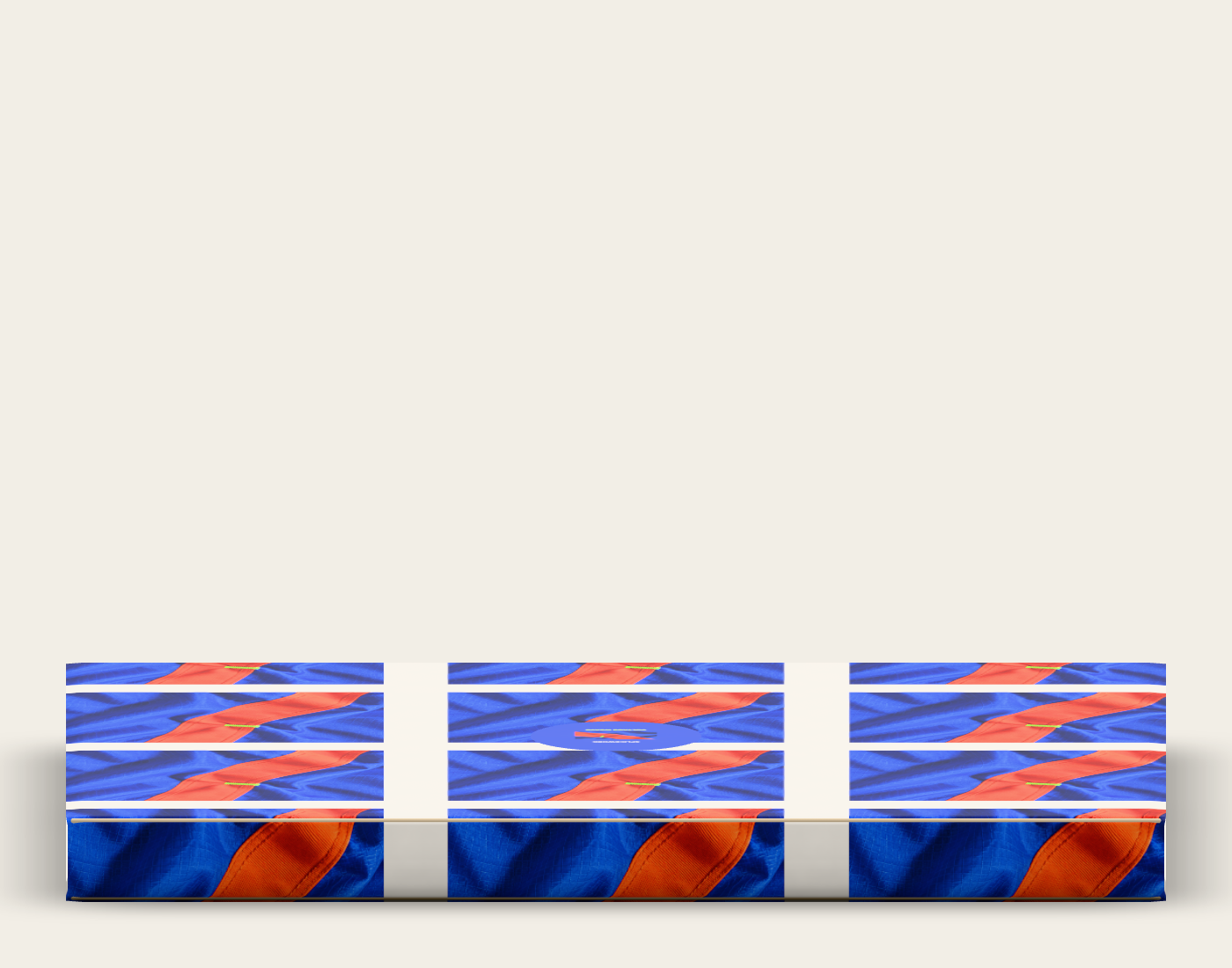
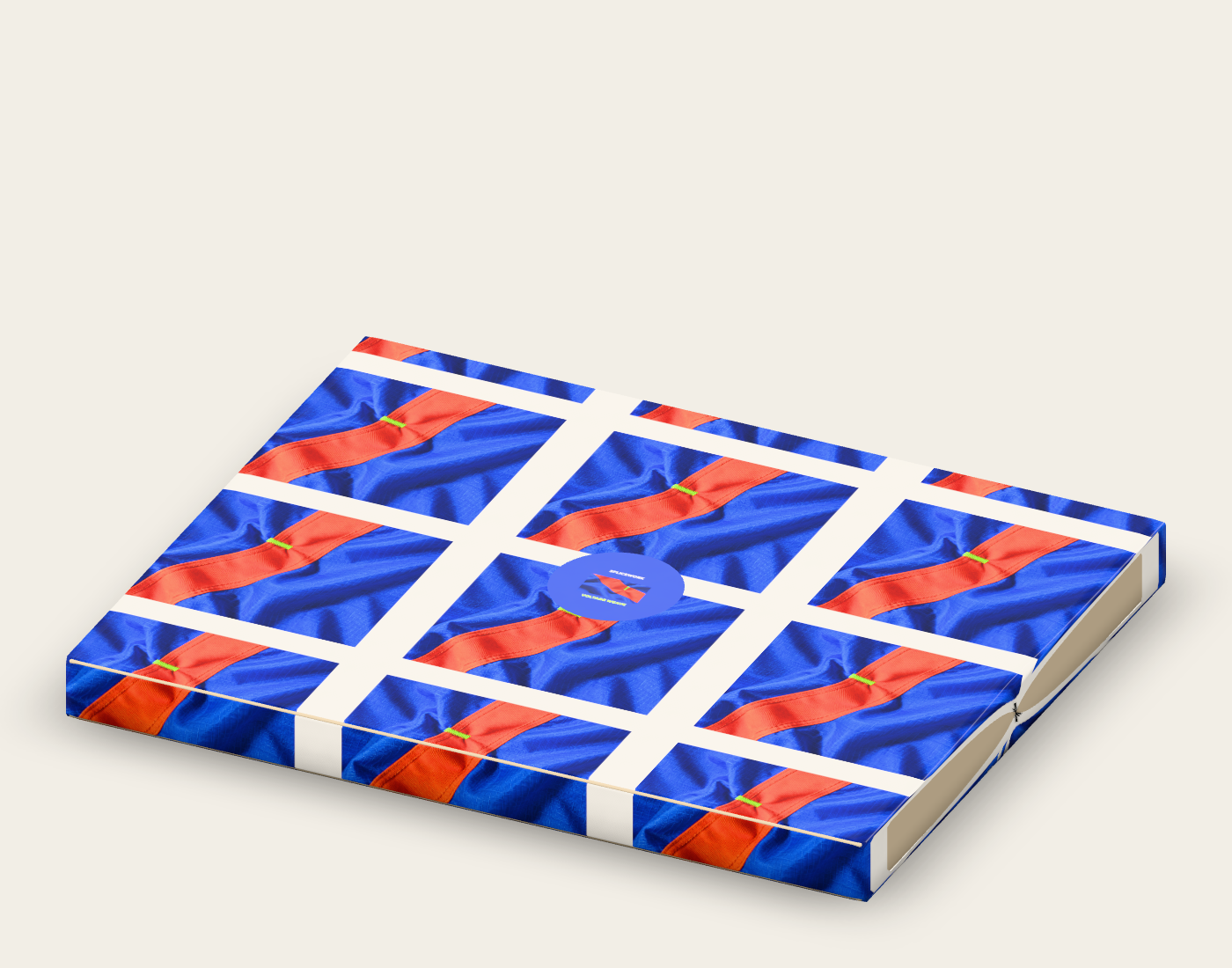
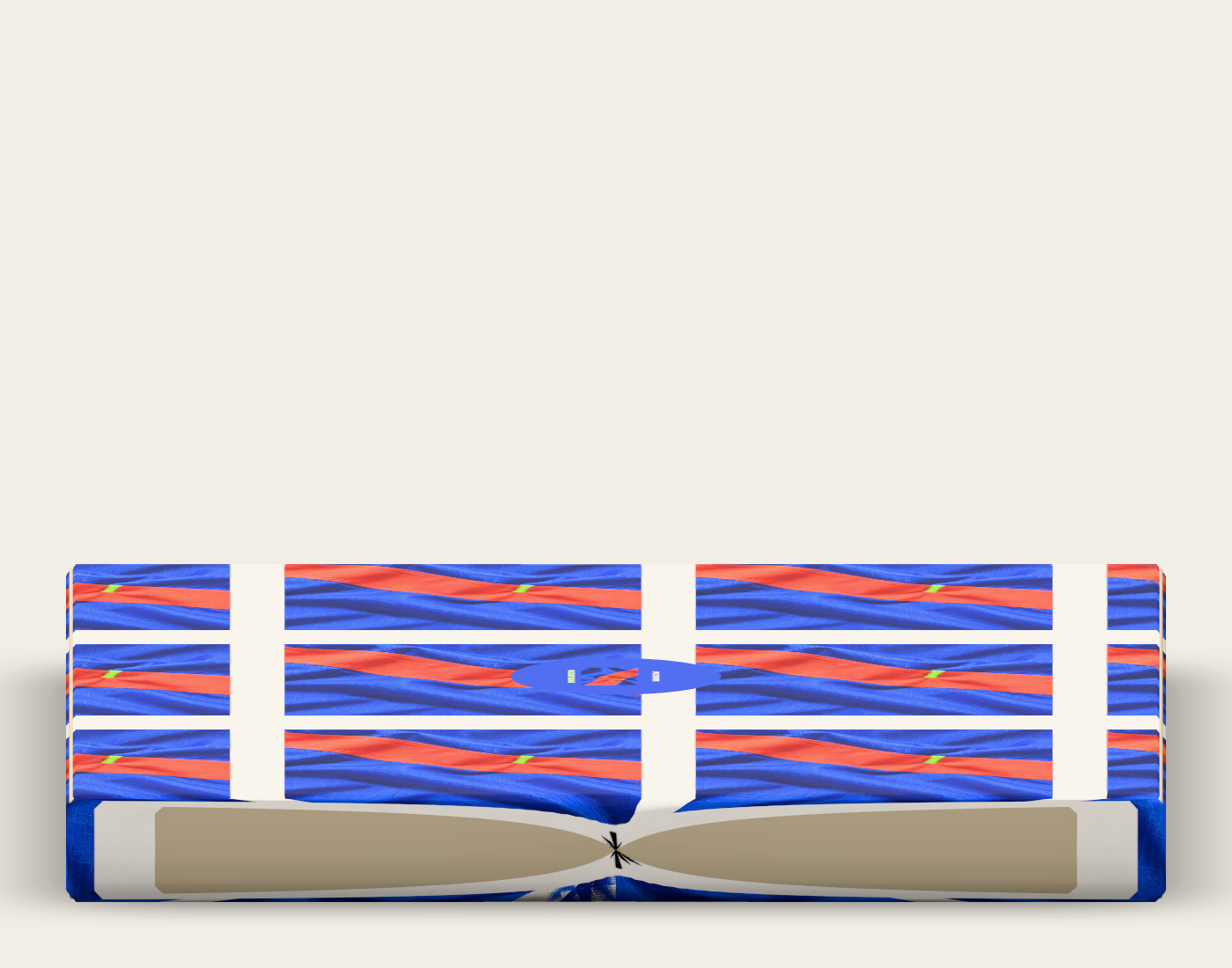
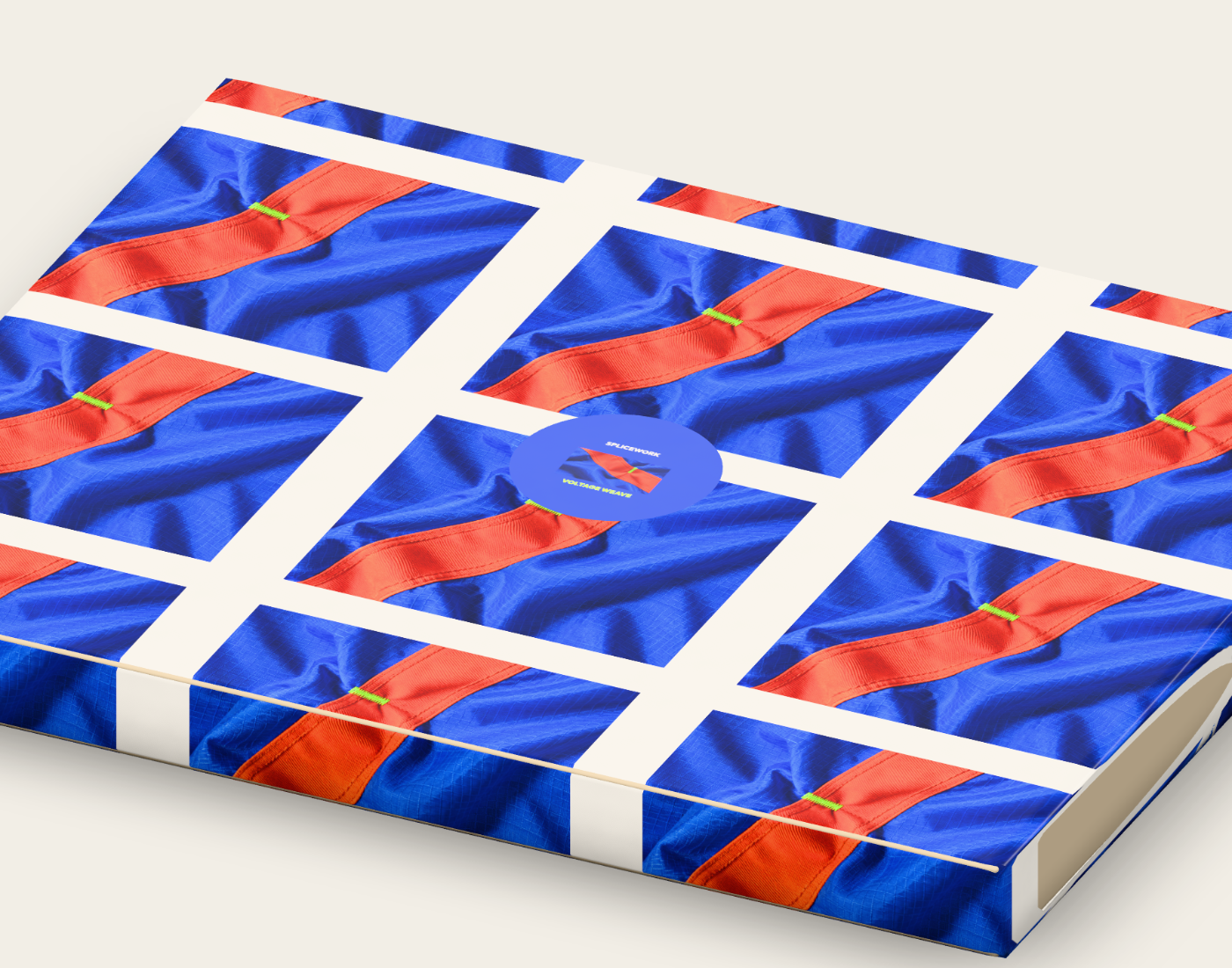
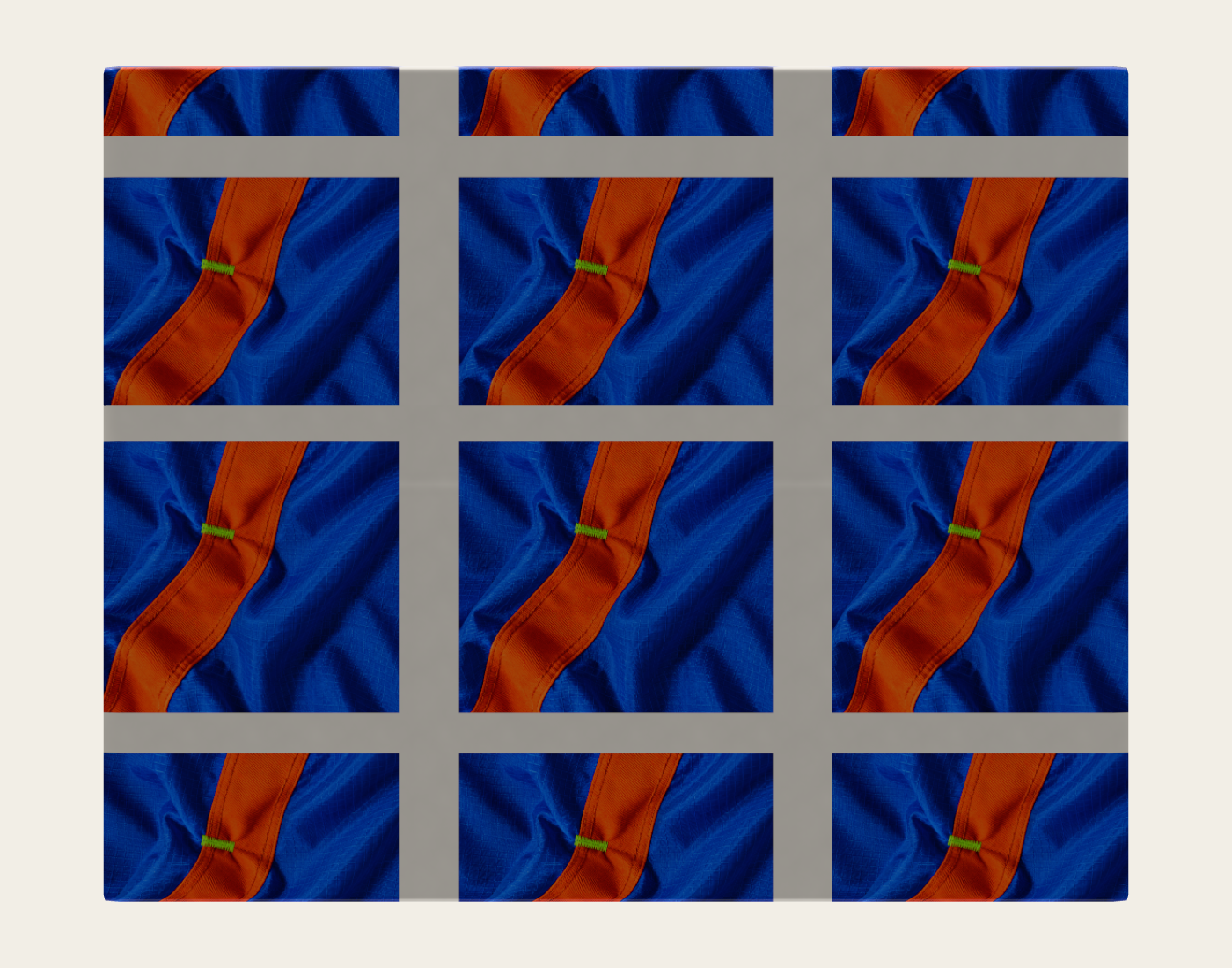
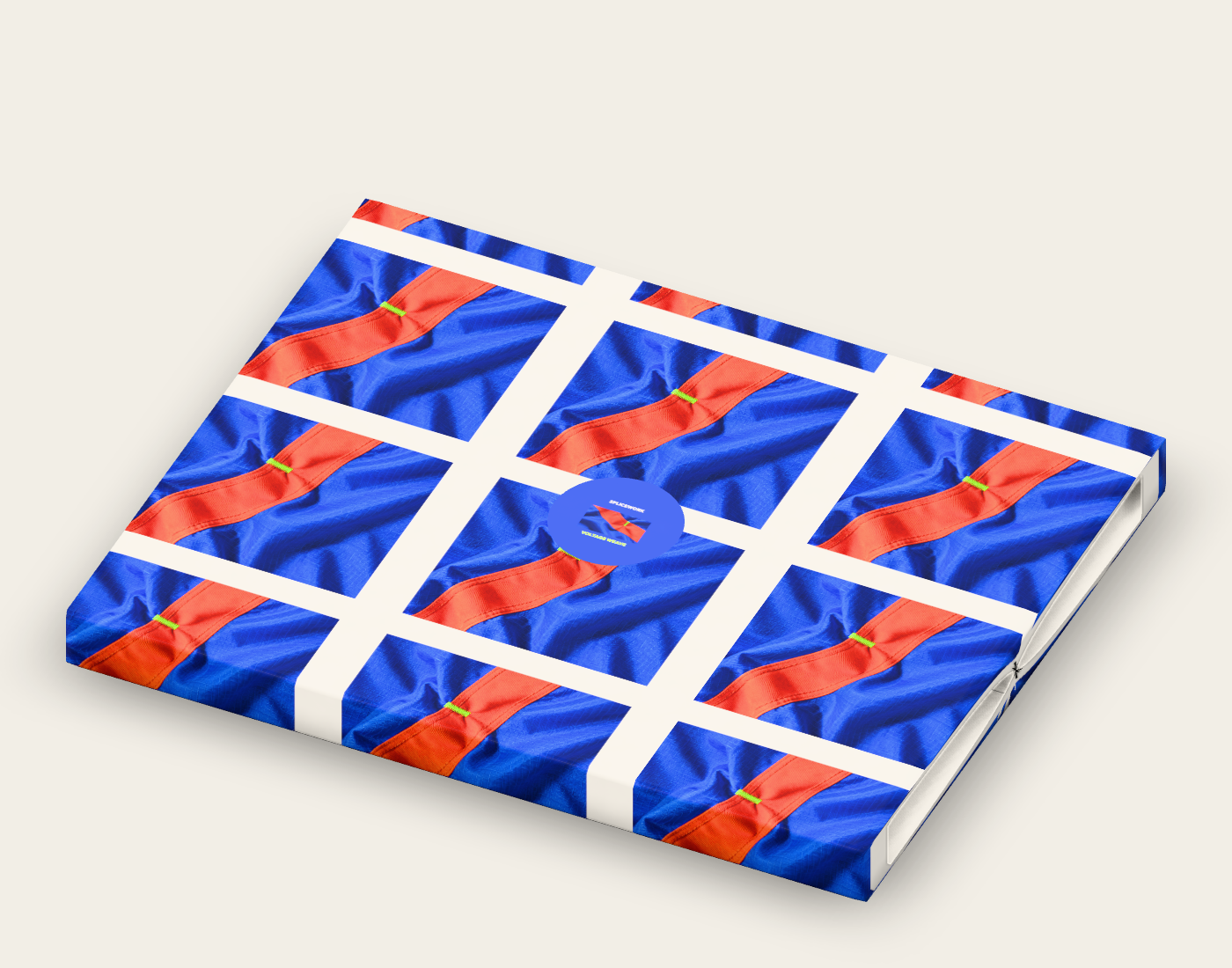
This existing wrap illustrates coordinated artwork around the stated envelope. It does not establish a bespoke tissue fold, tissue grade or production wrapping sequence.
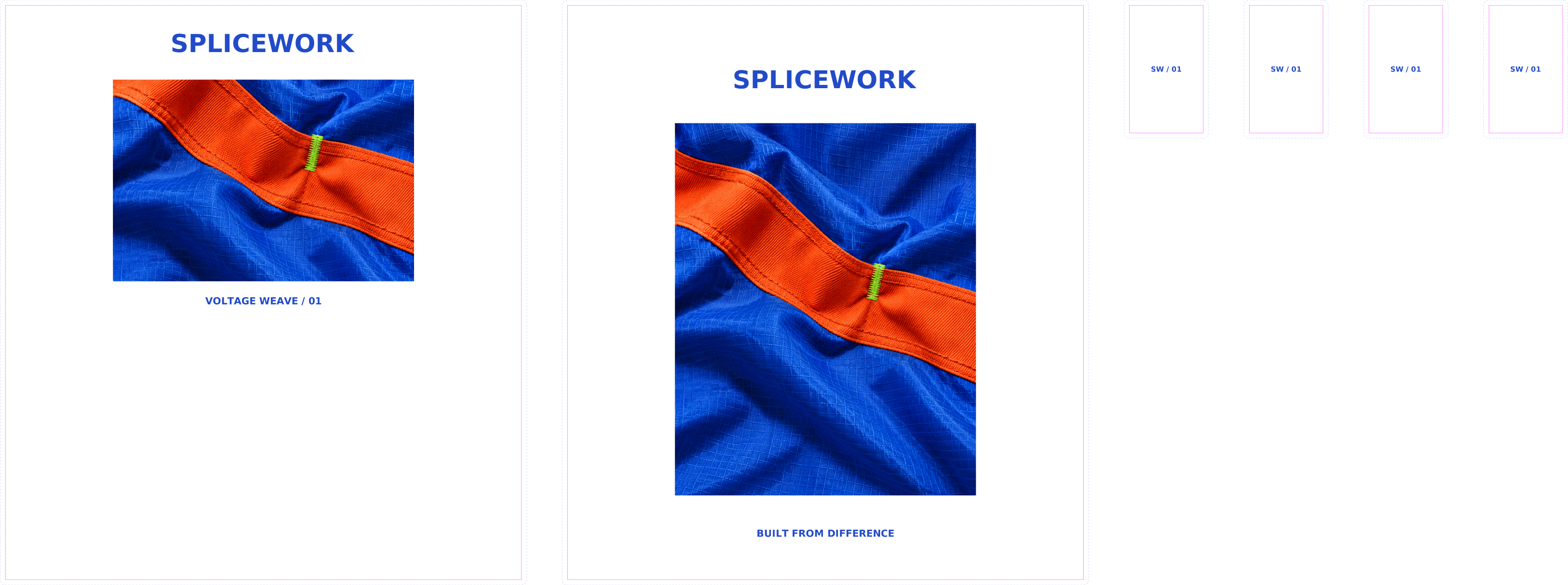
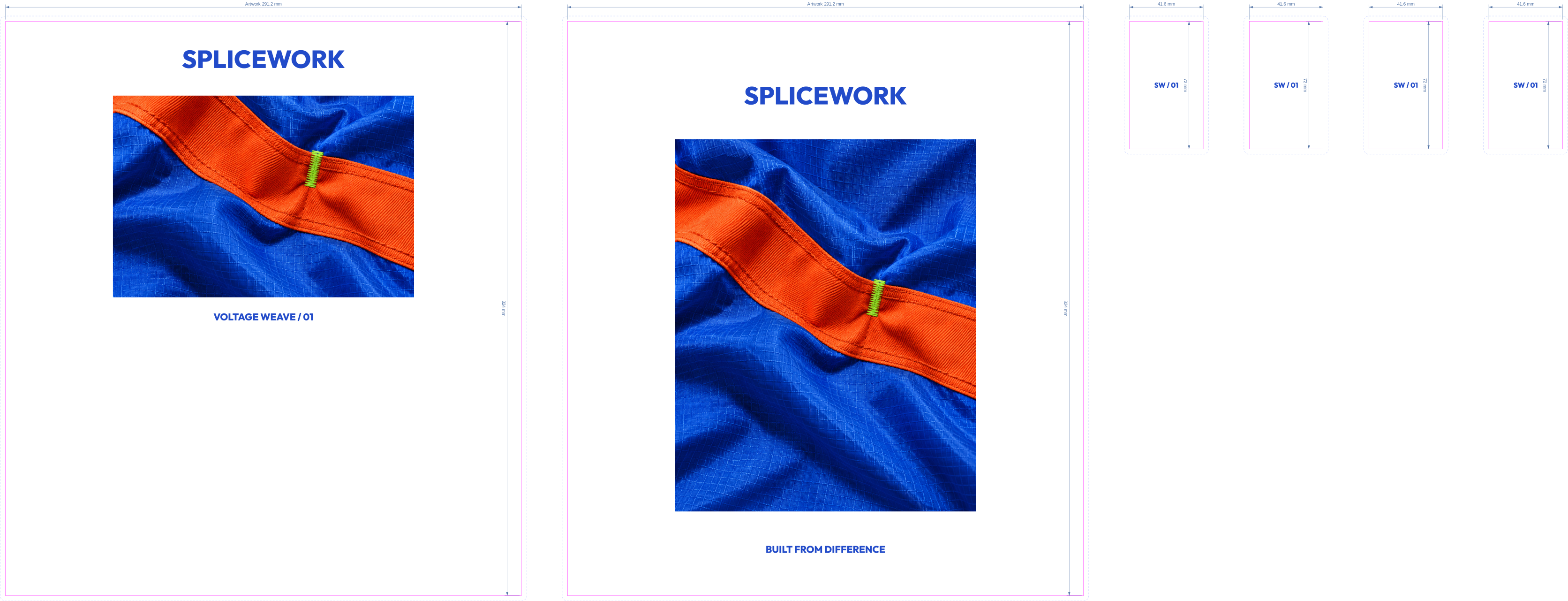
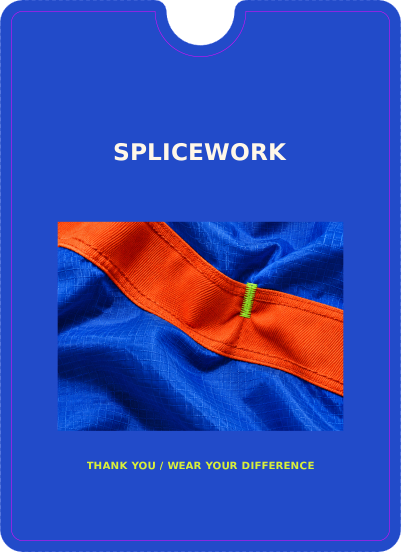
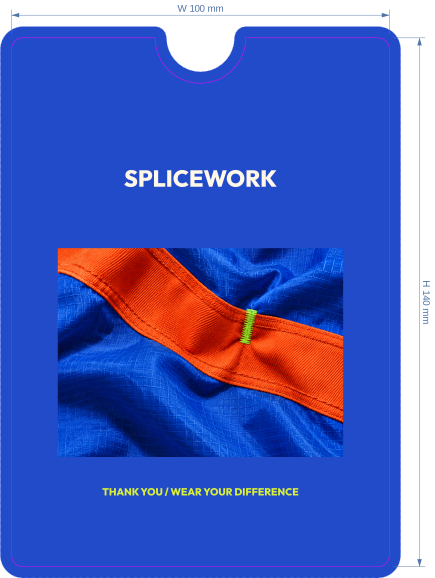
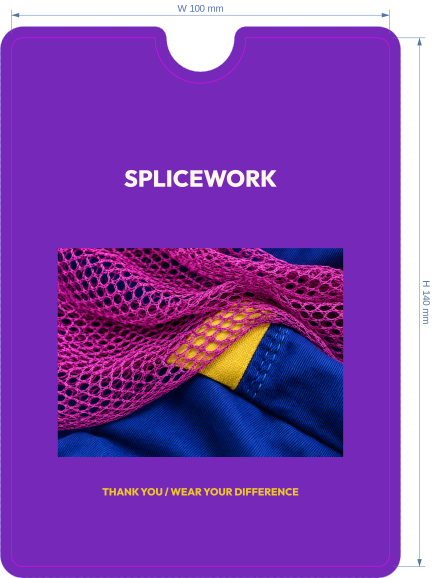
100 × 140 mm
SBS 350
Printed card blank
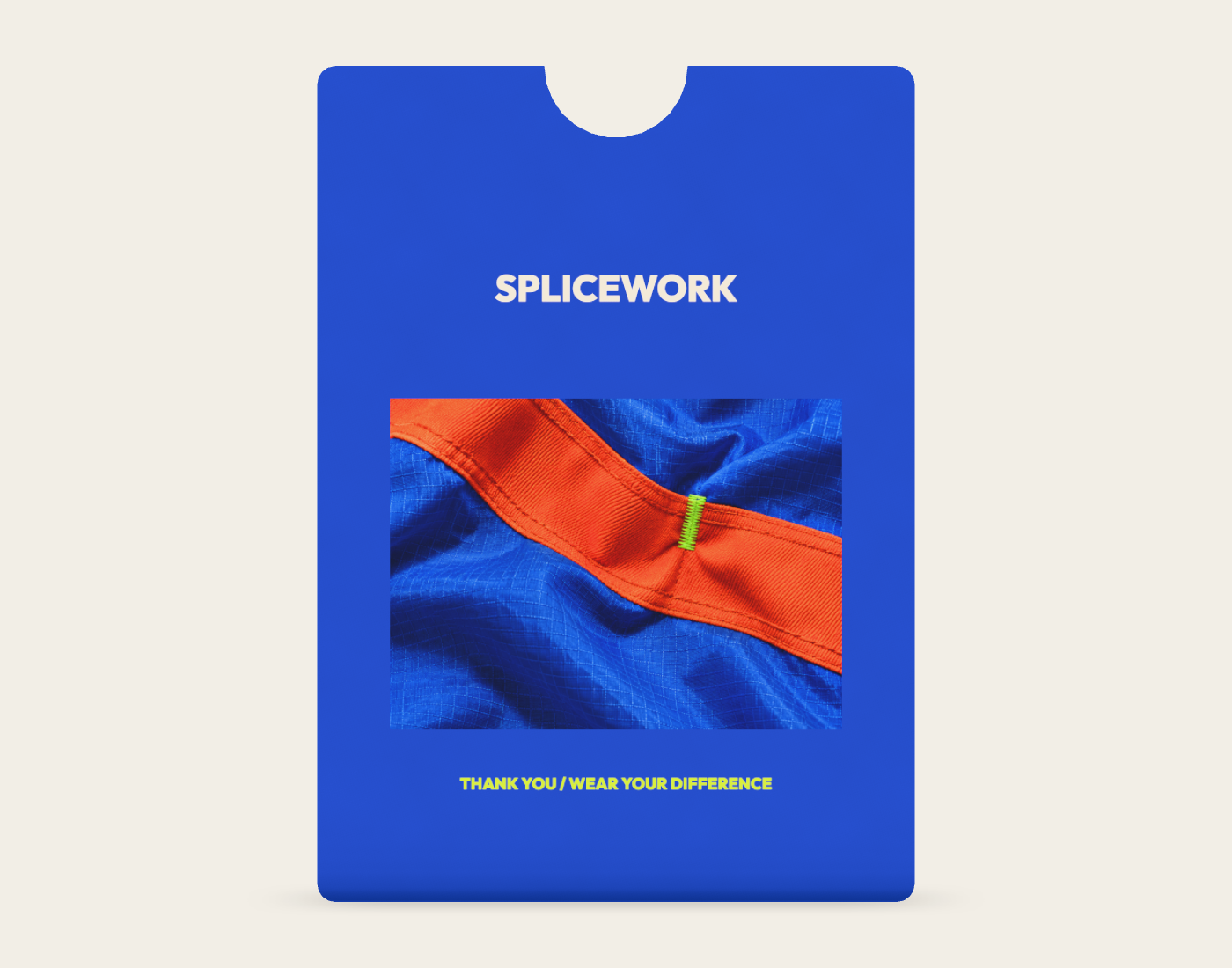

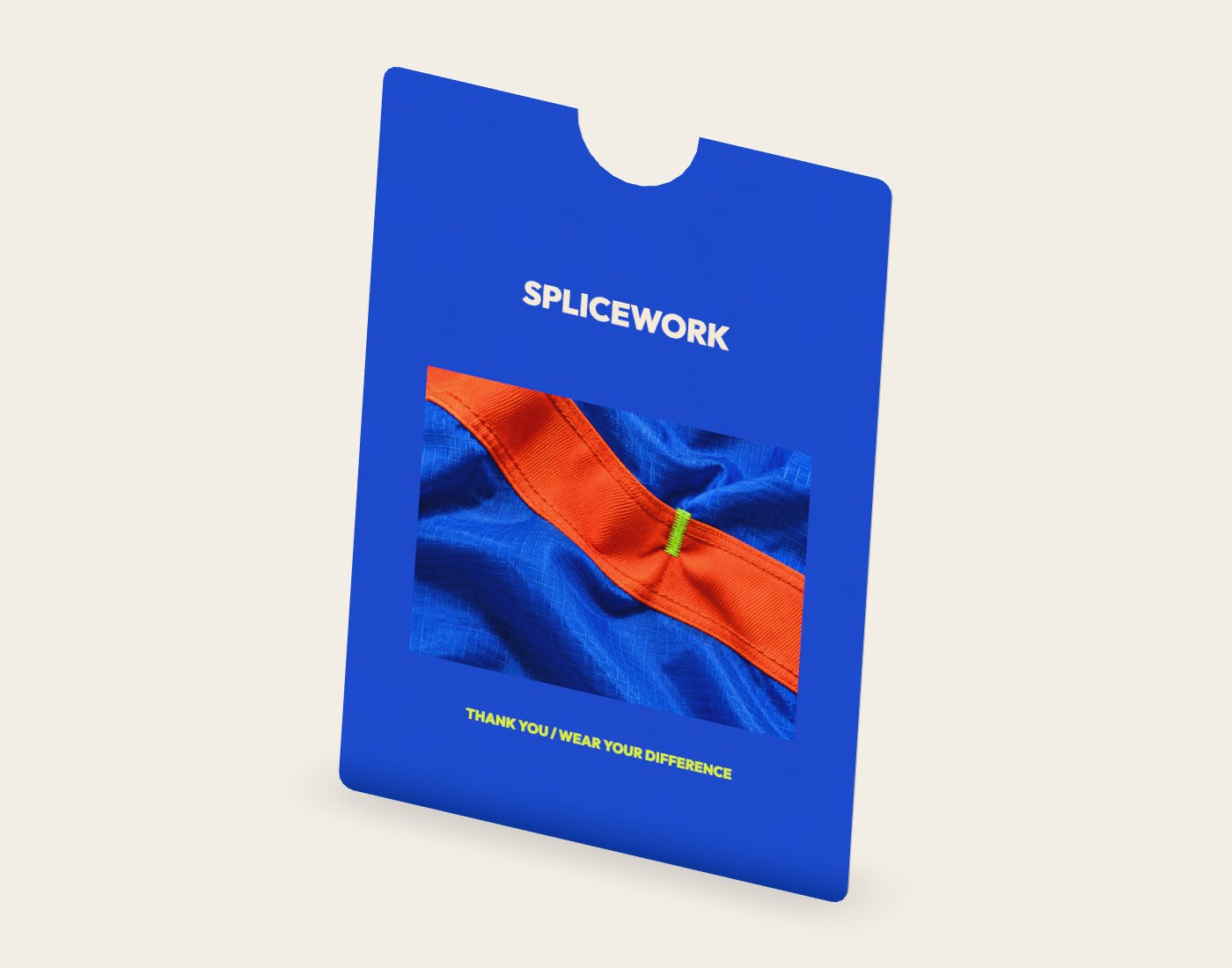

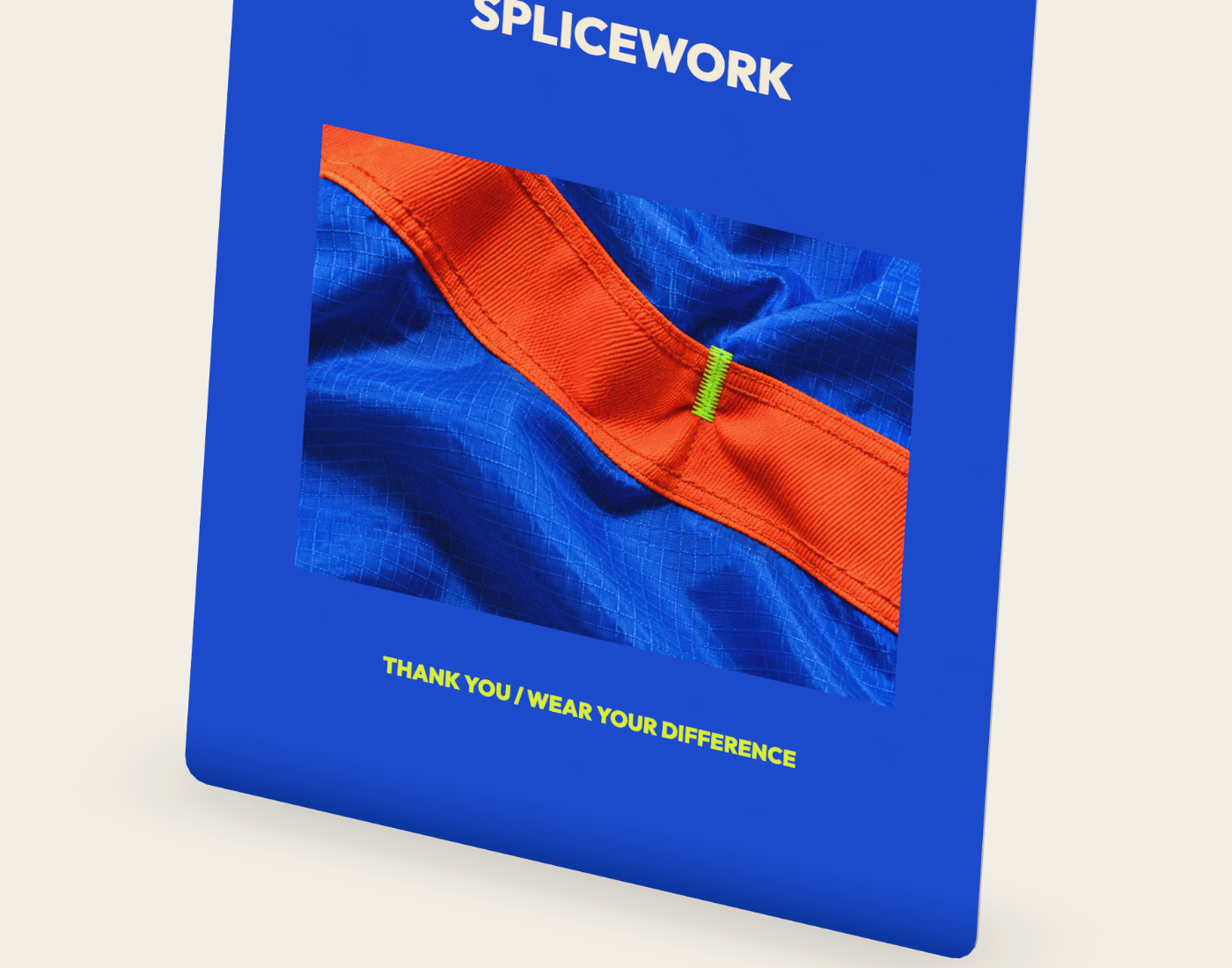
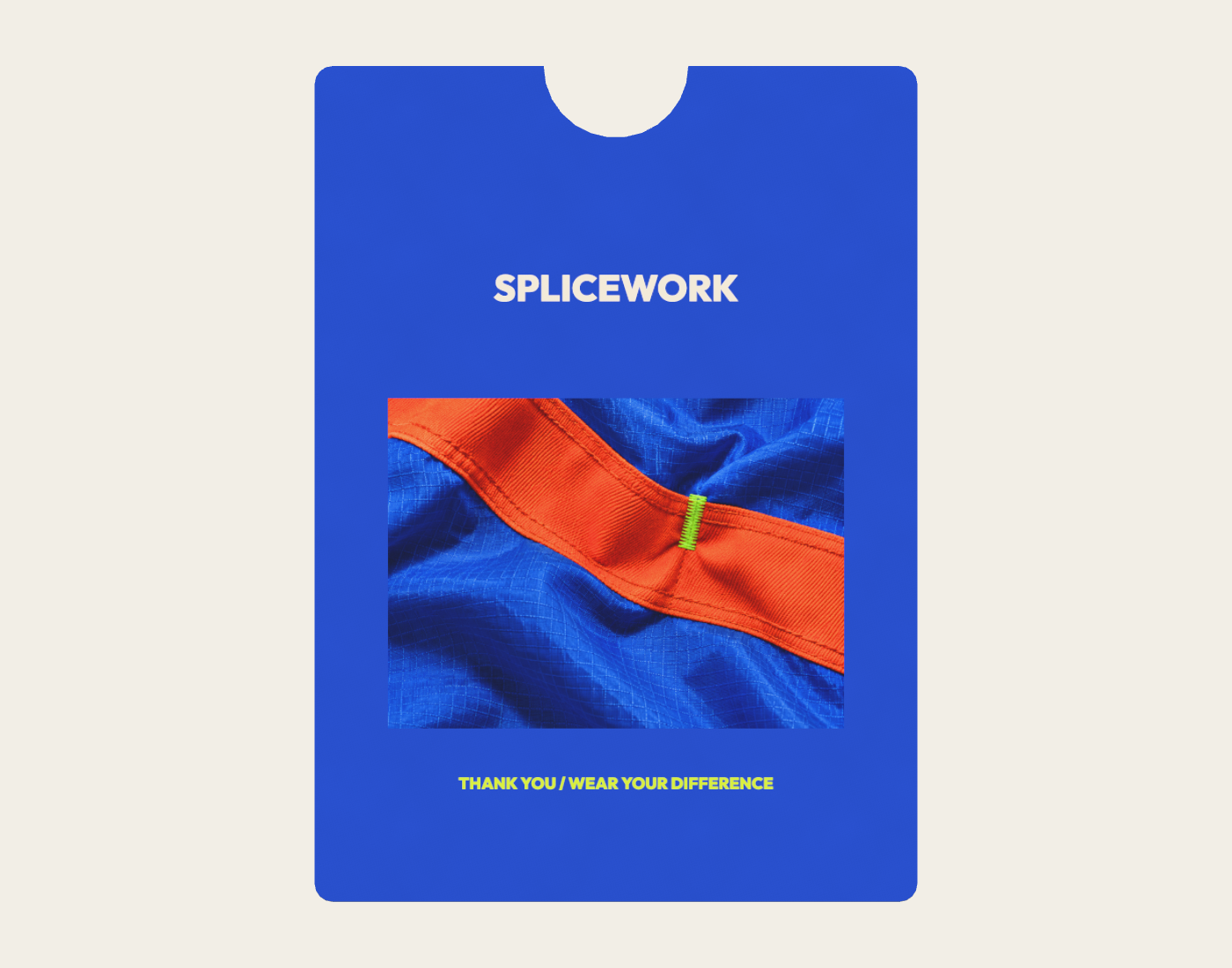
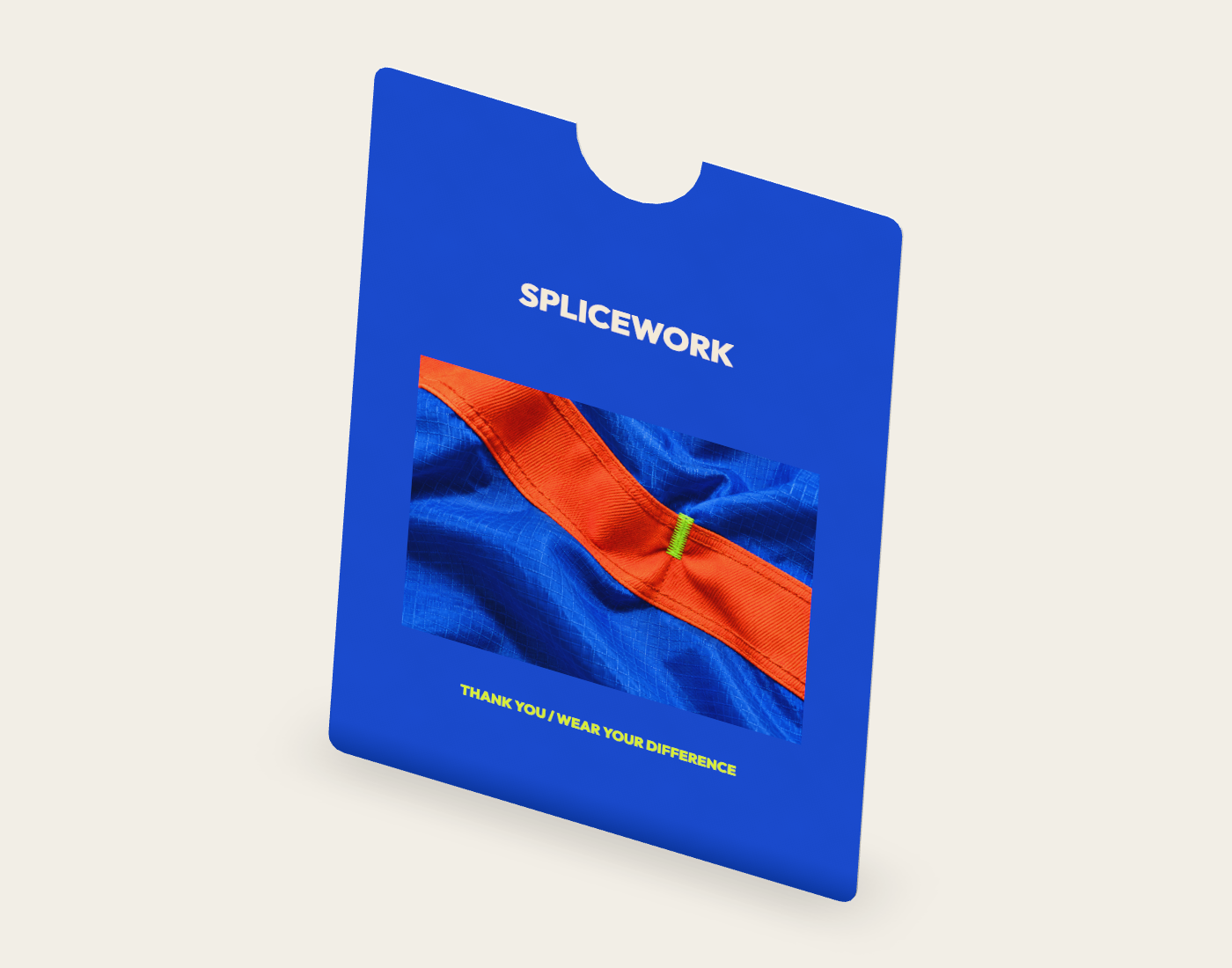
Keep the original artwork and editable message together. Confirm the final paper, trim, color conversion and print resolution with the printer.
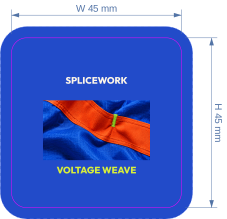
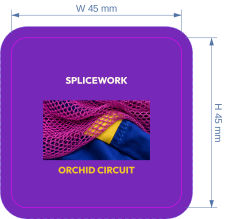
45 × 45 mm
Gloss label stock
Printed sticker blank
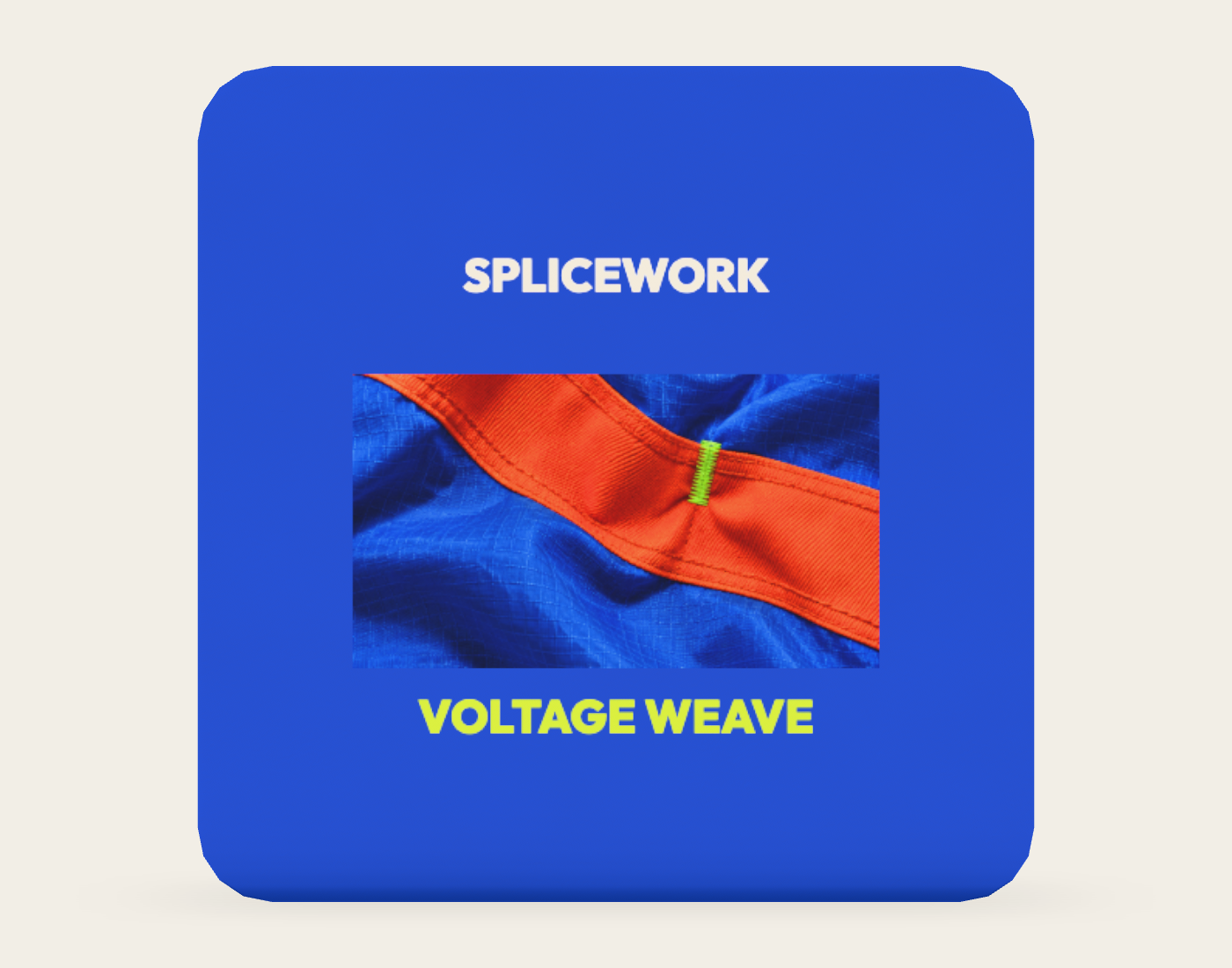
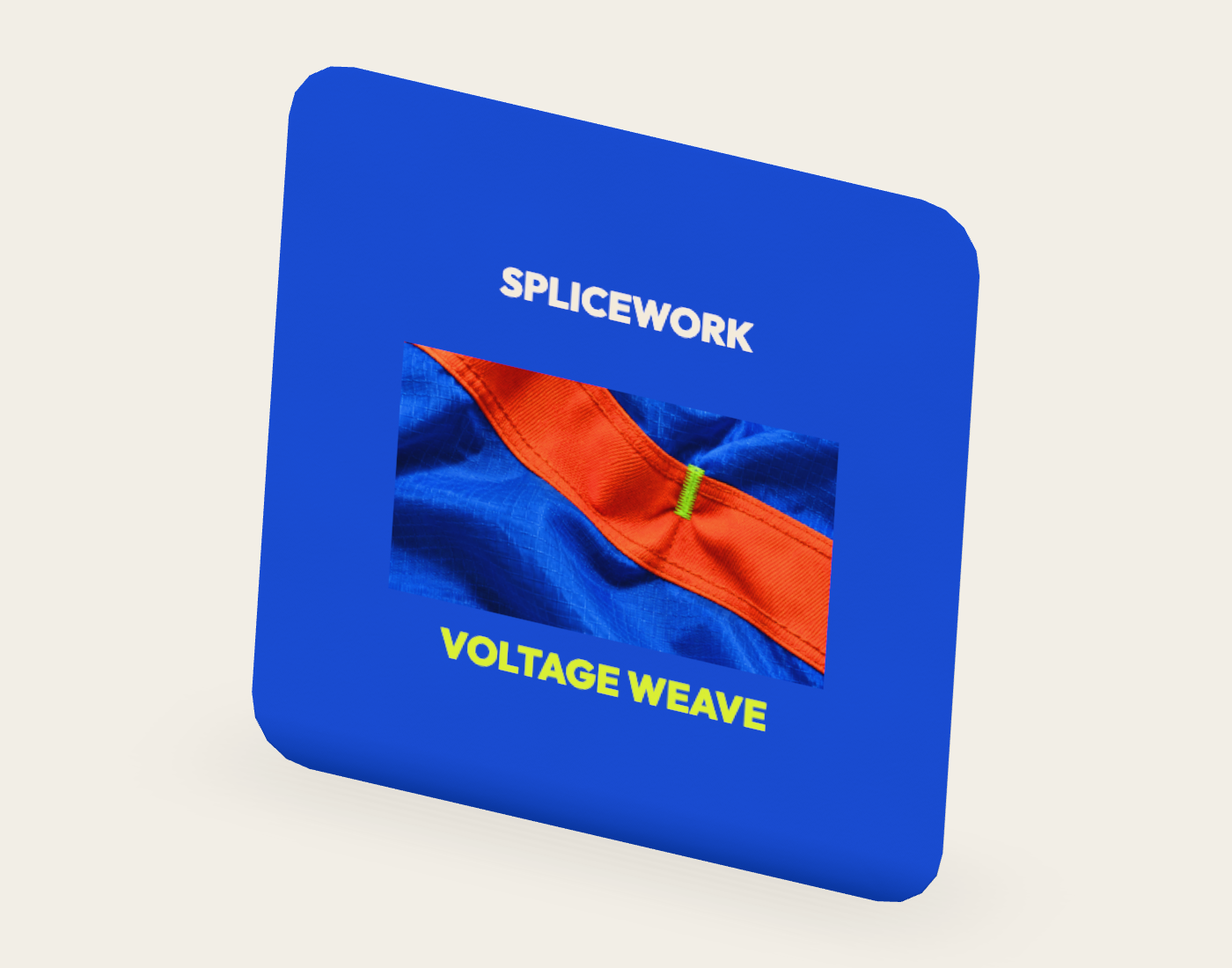

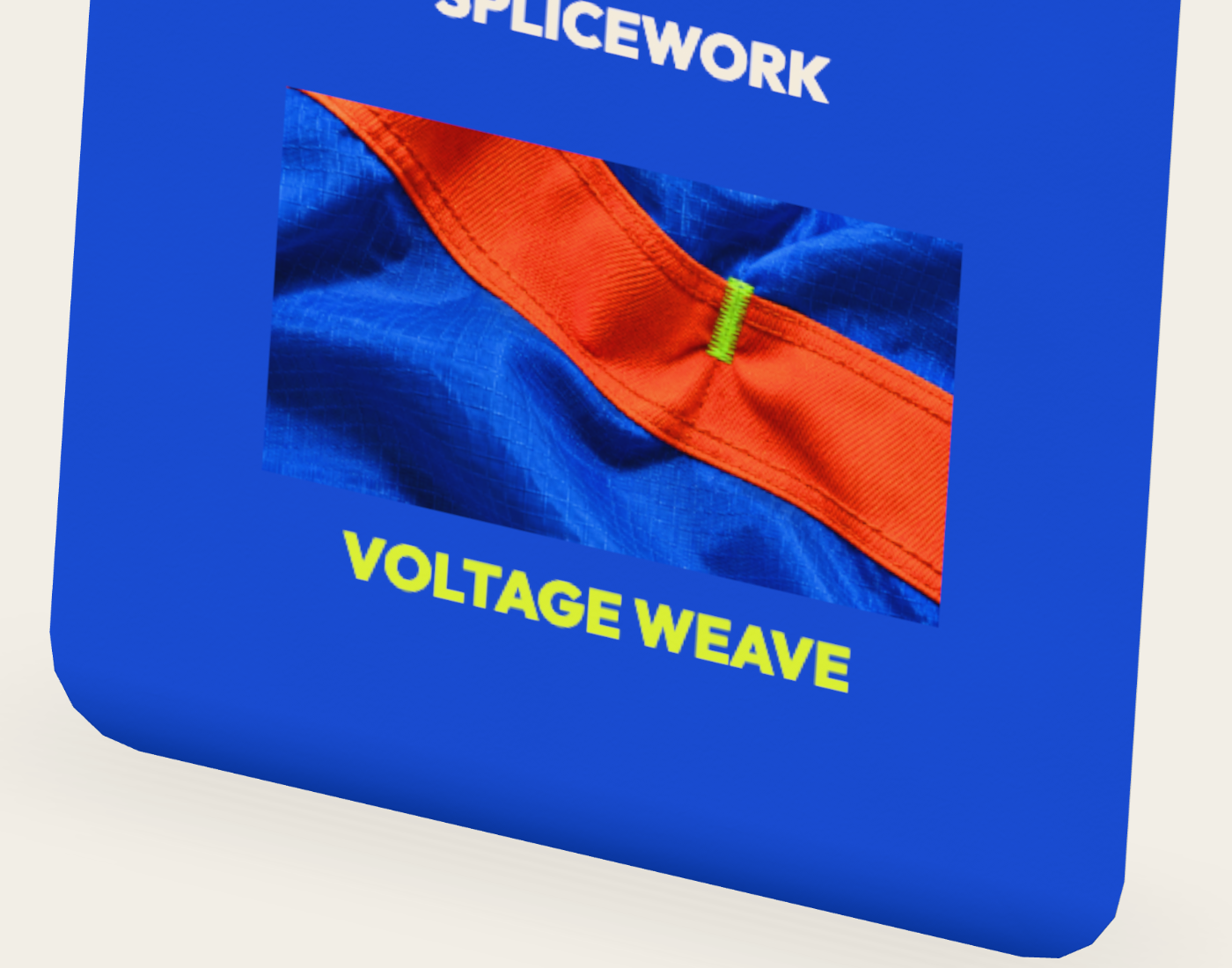
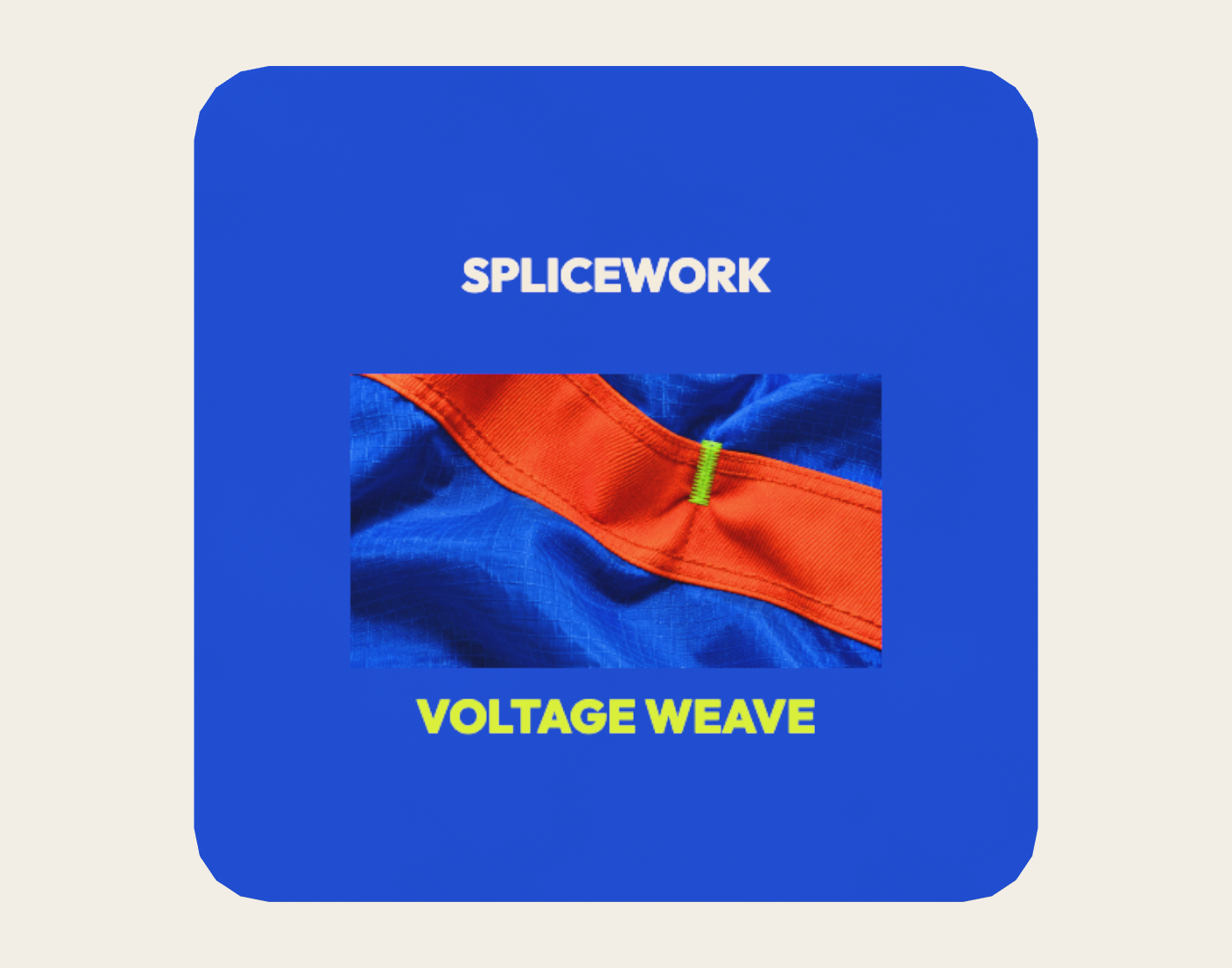
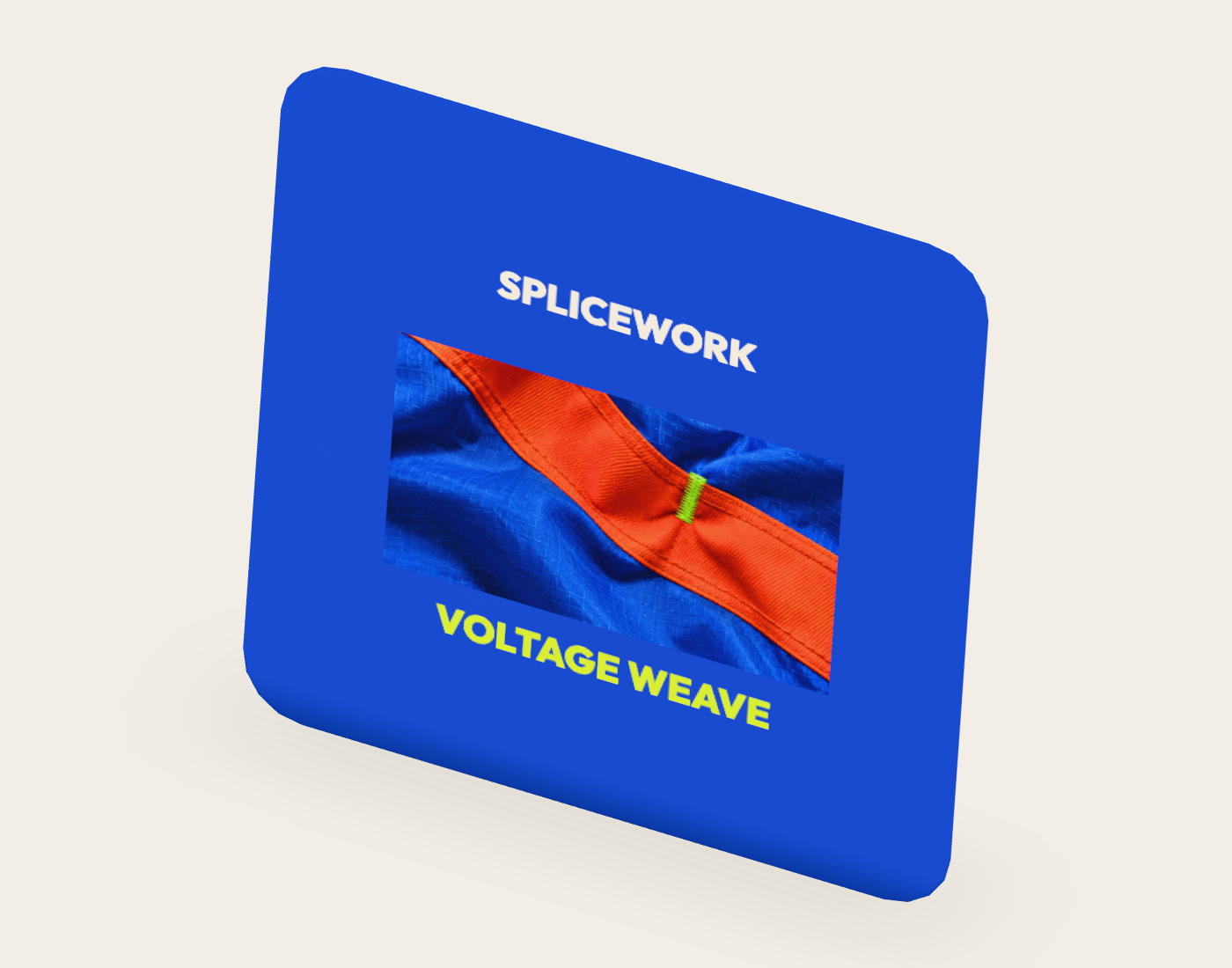
Artwork and cut outline are independently reviewable. Adhesive, backing, application surface and removal behavior require supplier specifications.
An oversized native tee reference and larger coordinated packing pieces.
650 × 780 mm torso reference
Paper 170 decoration guide · actual garment fabric not specified
Decoration placement guide
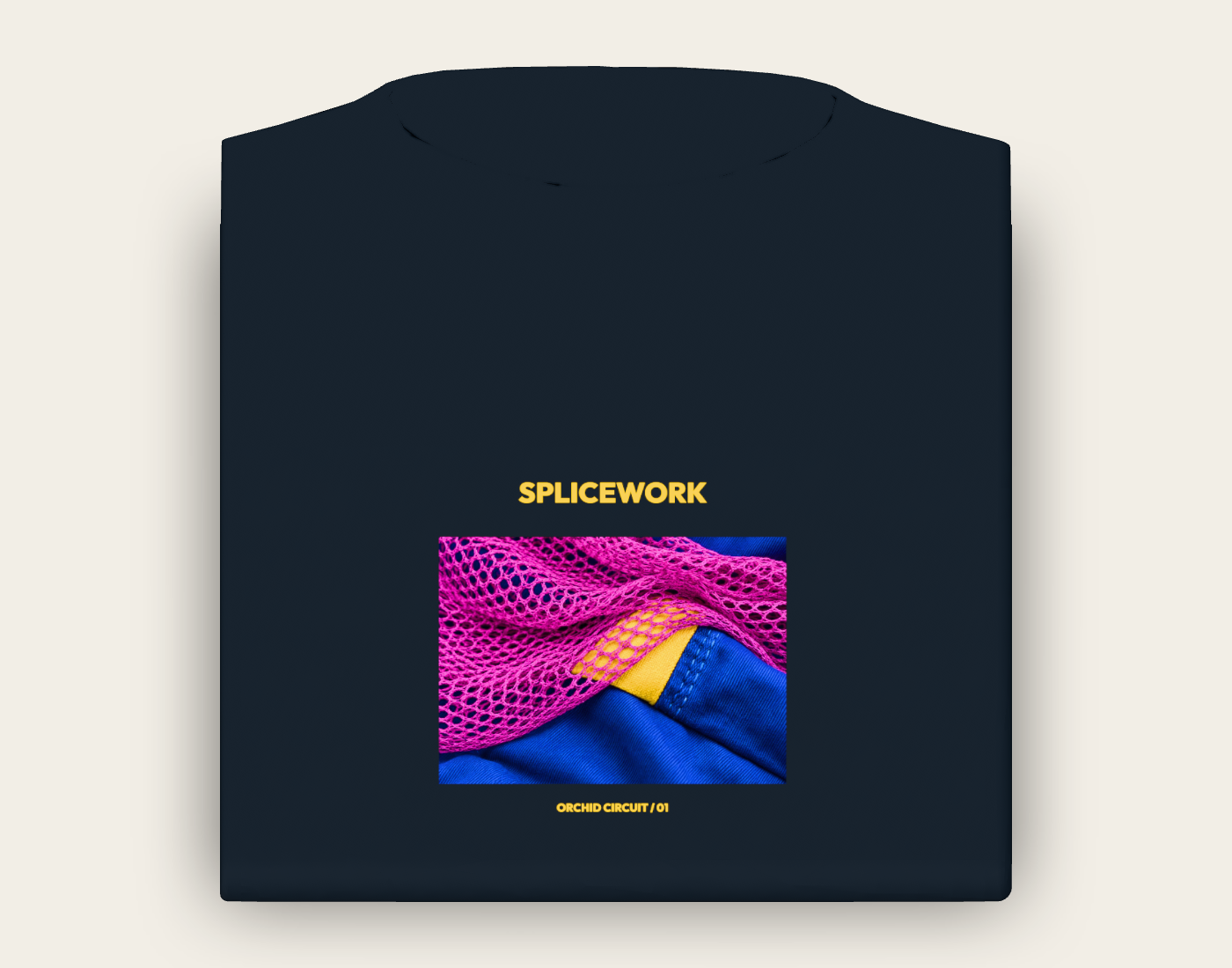
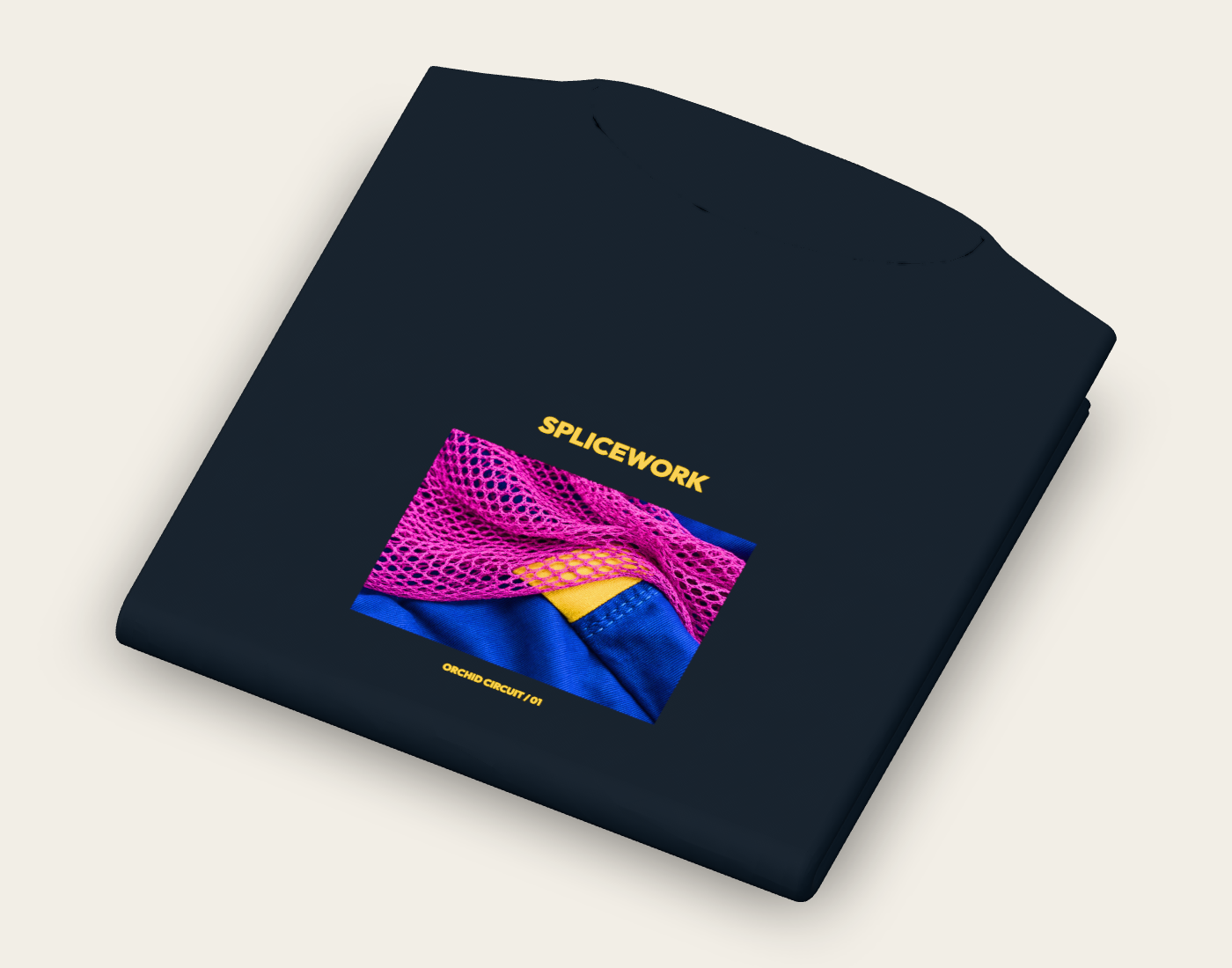
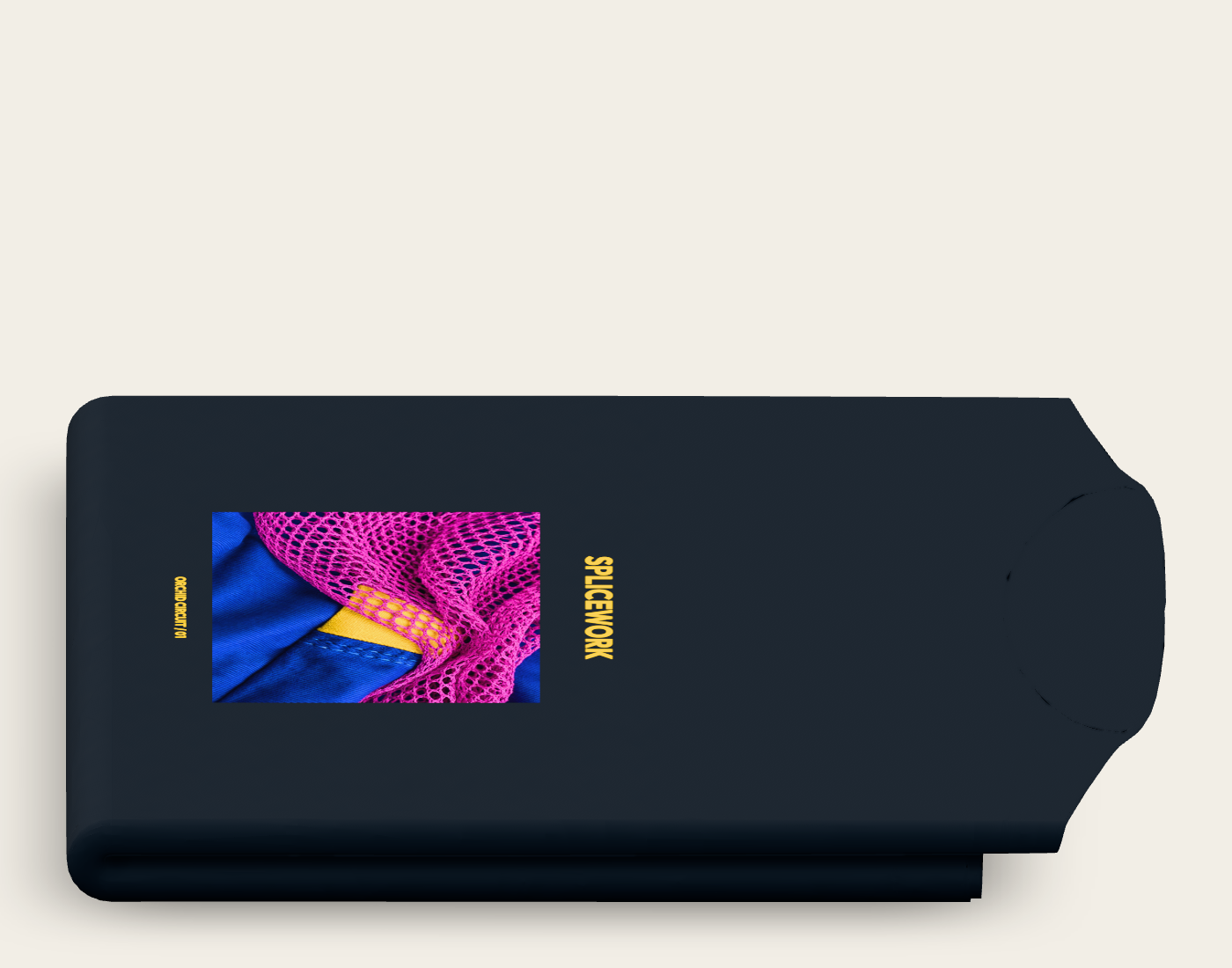
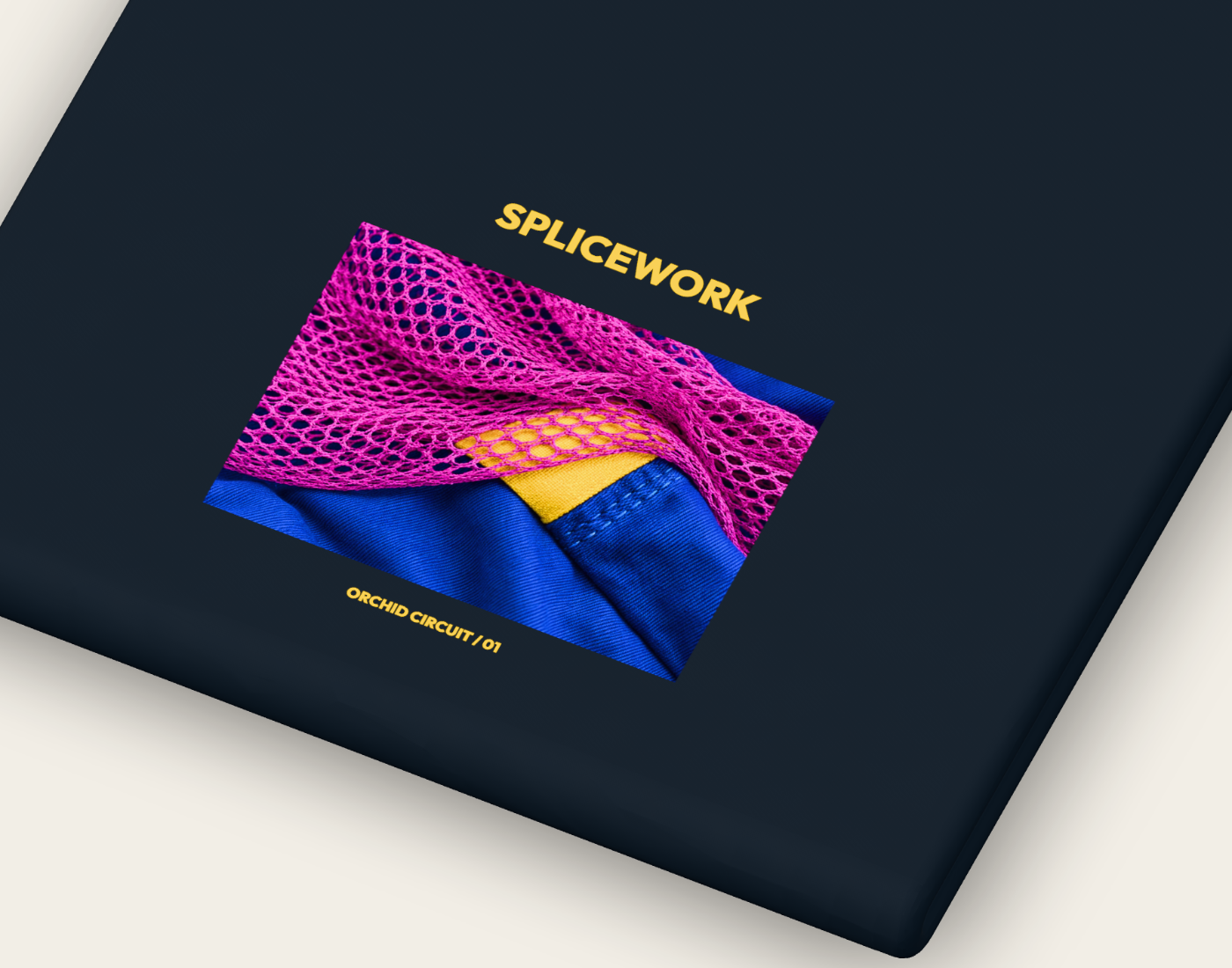
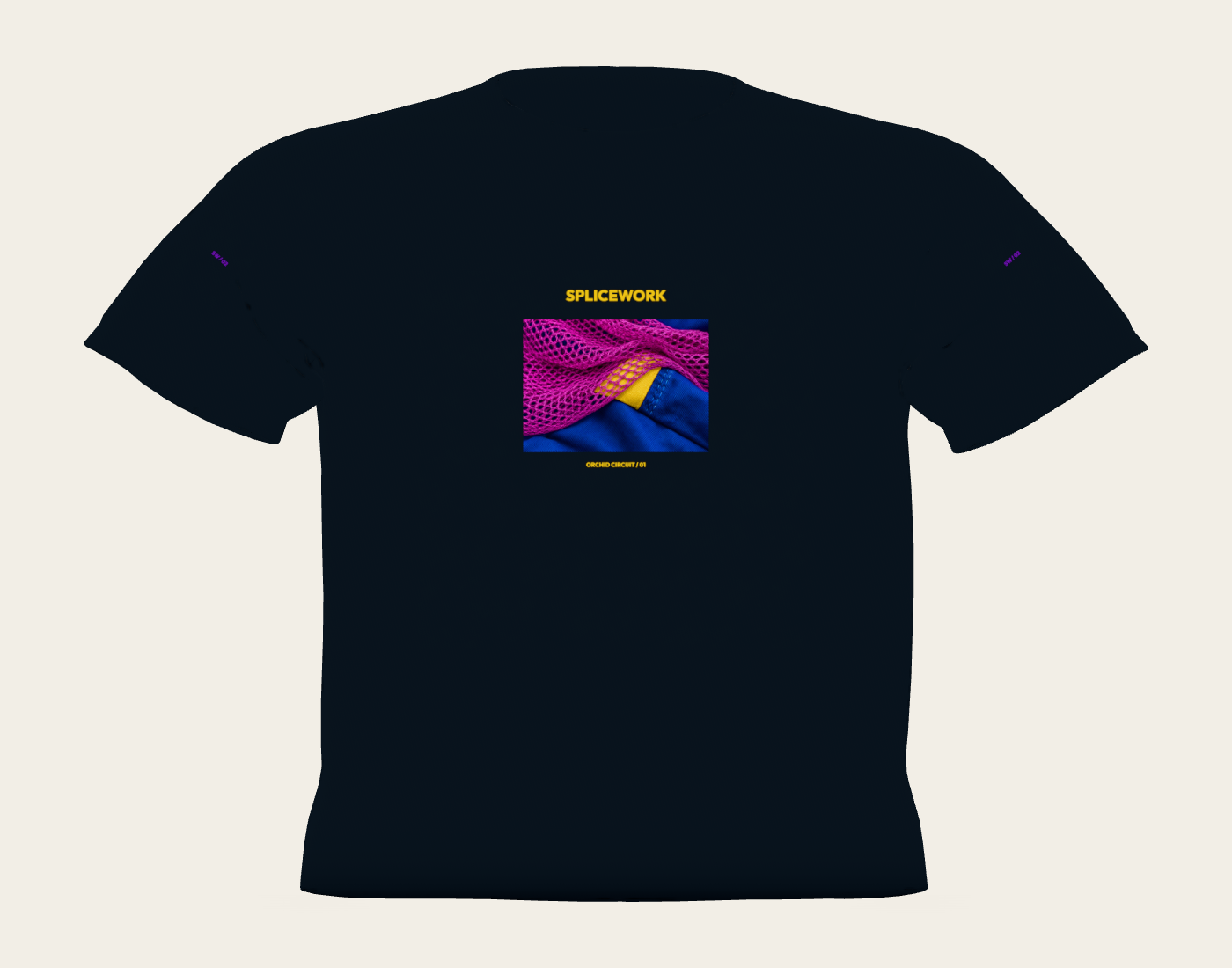
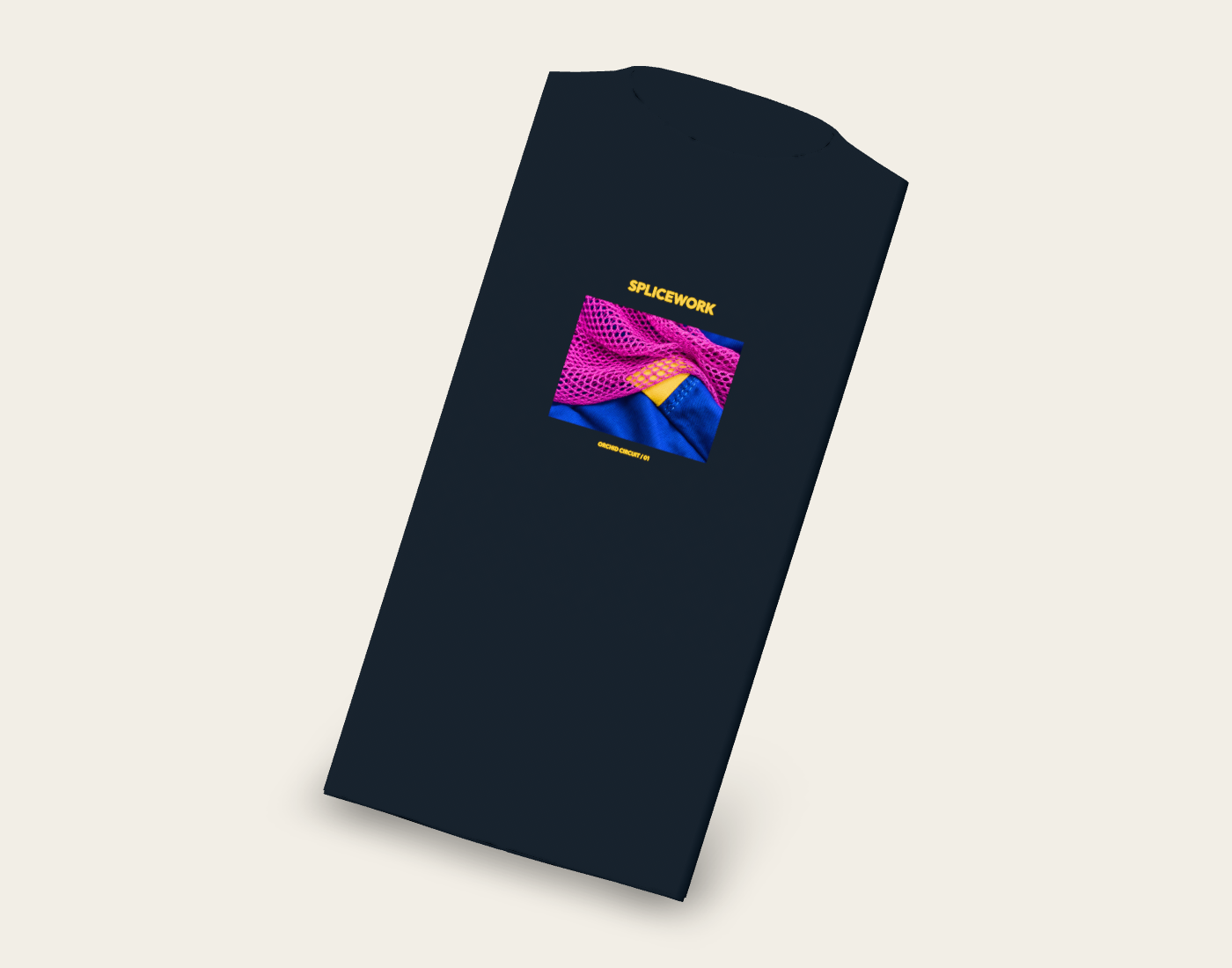
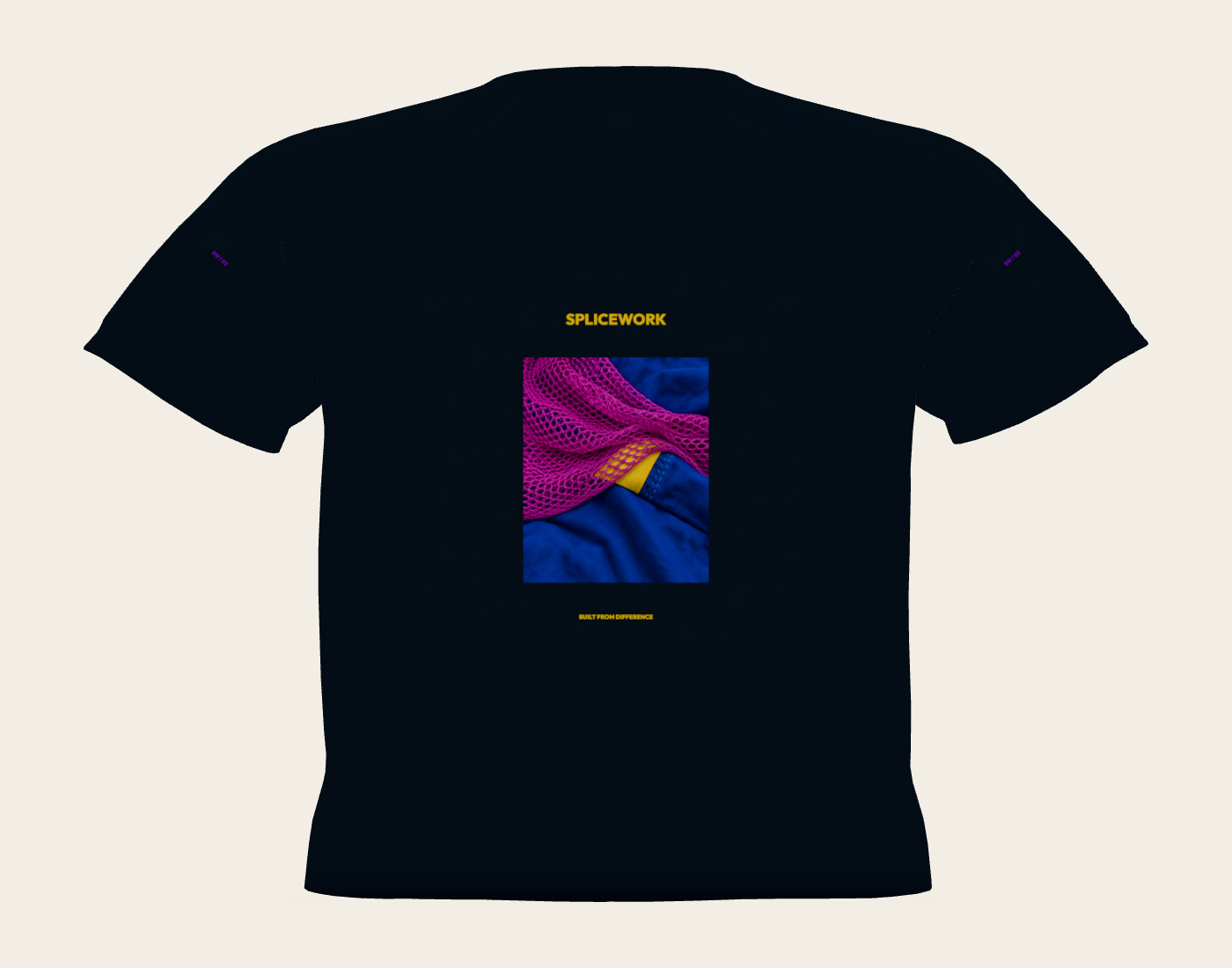
Front, back and independent sleeve artwork follow the native folded shape. Torso-reference dimensions are not graded clothing sizes or the full sleeve span. The folded envelope is measured separately. The native garment and fold are simplified visual references, not sewing patterns. Check actual folded garments before ordering packaging.
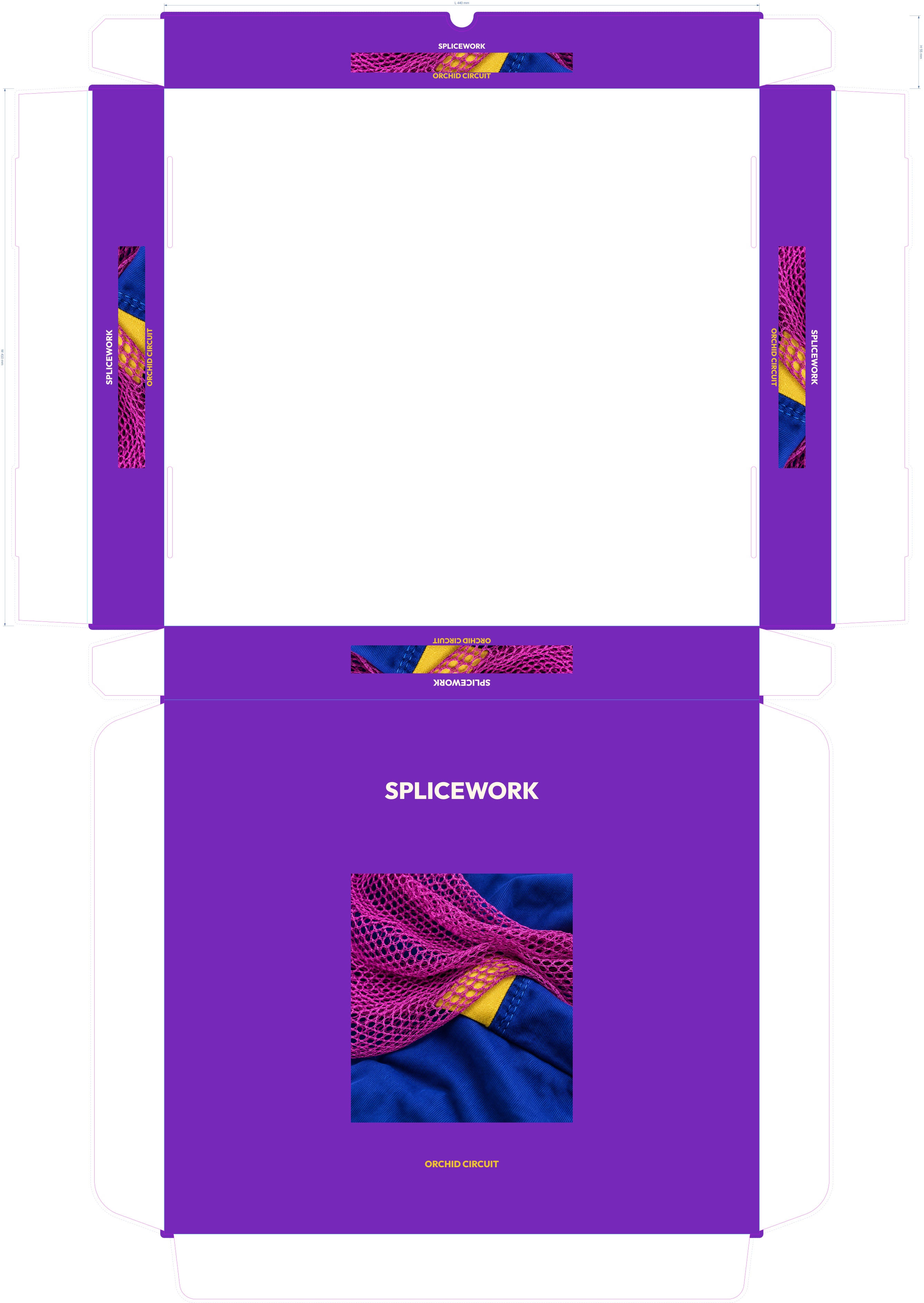
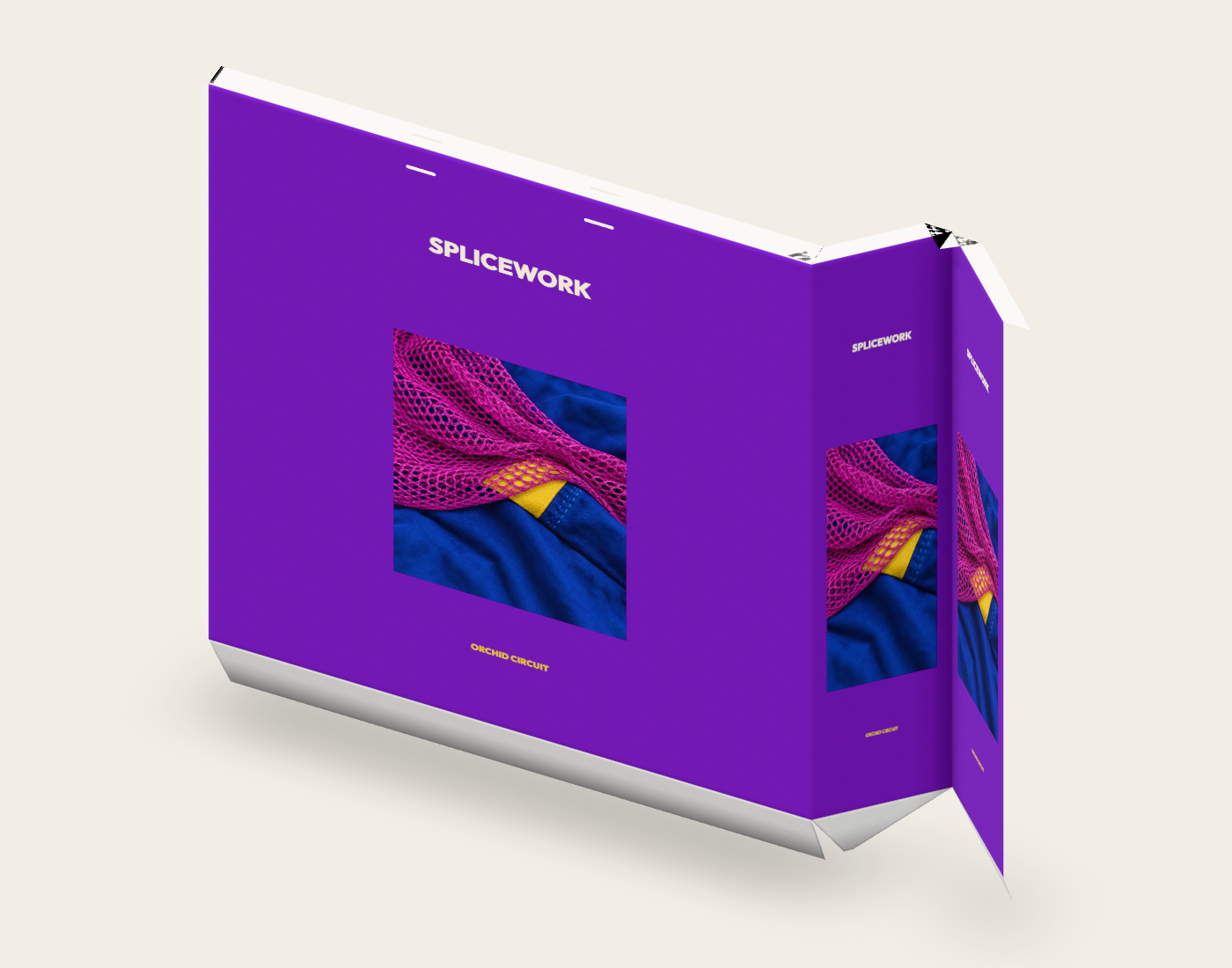
440 × 410 × 55 mm inside
White E-flute
Structural board dieline
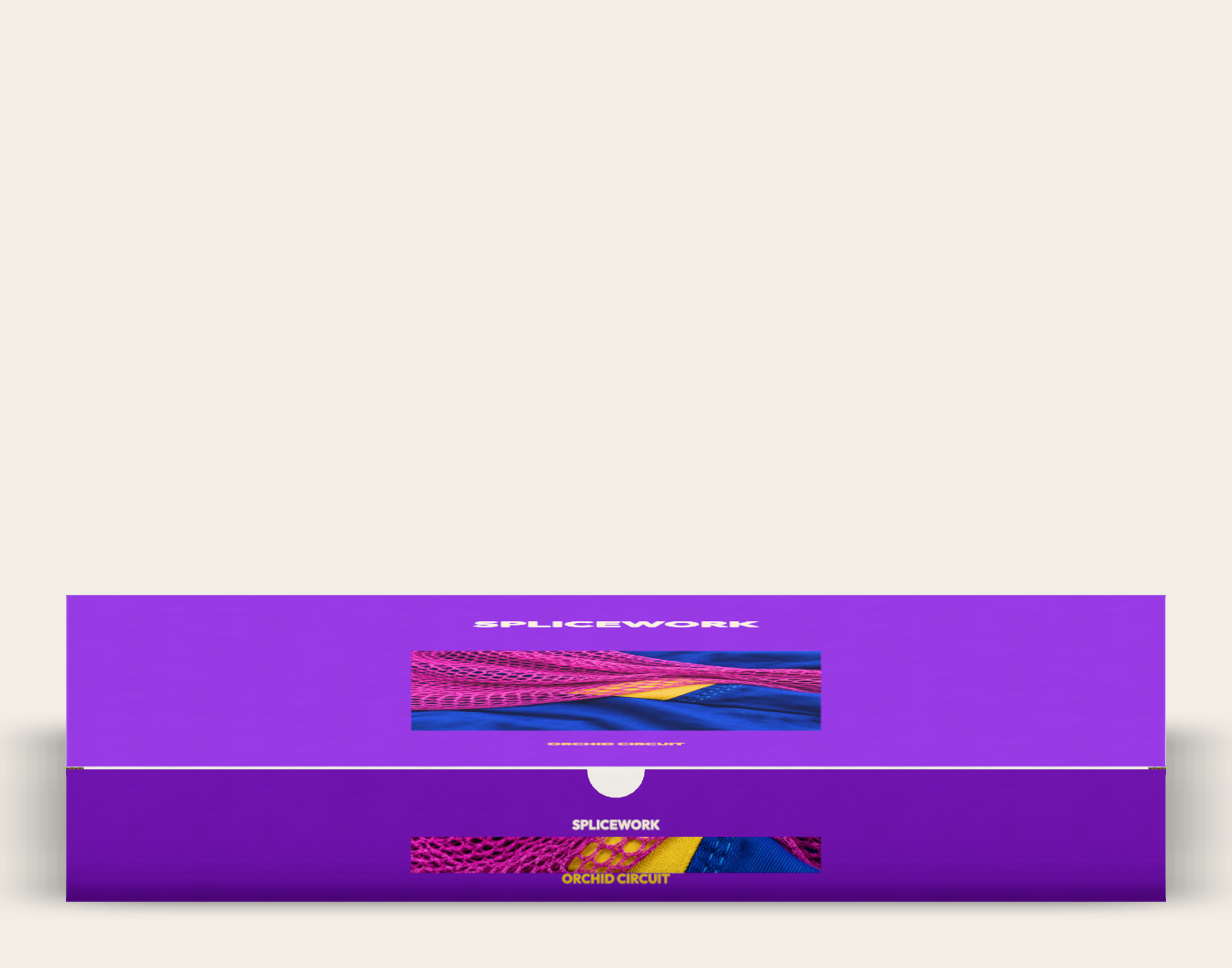
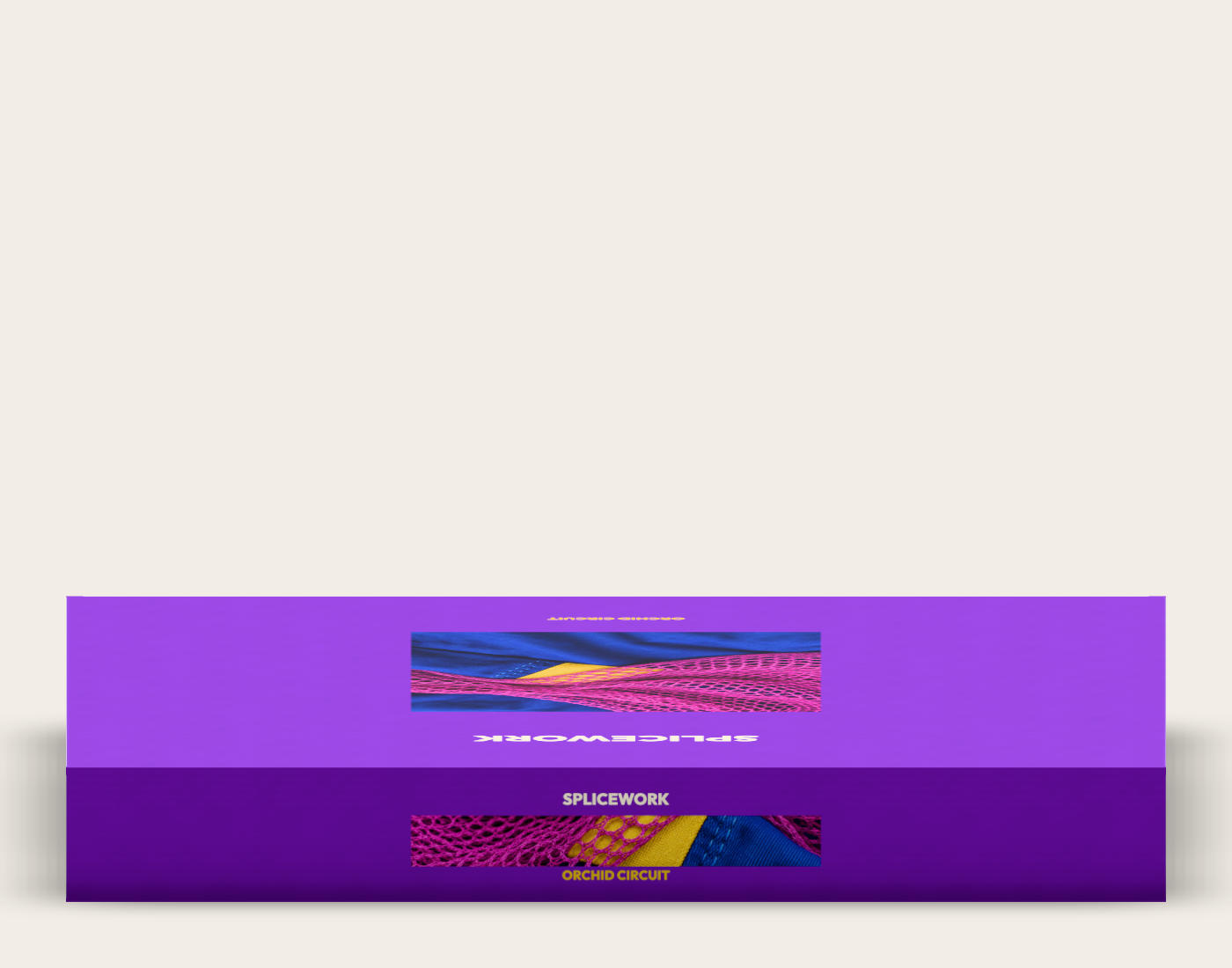
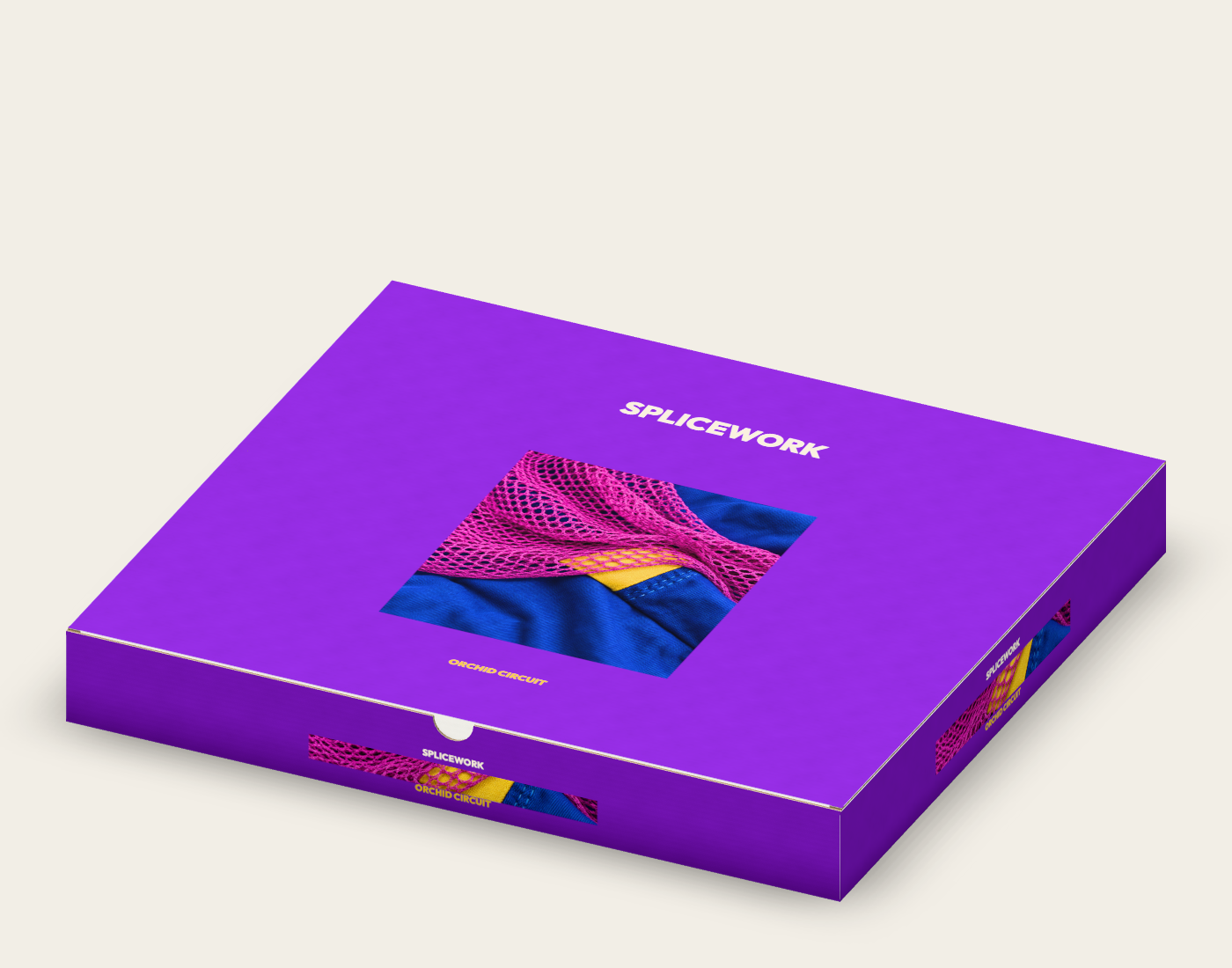
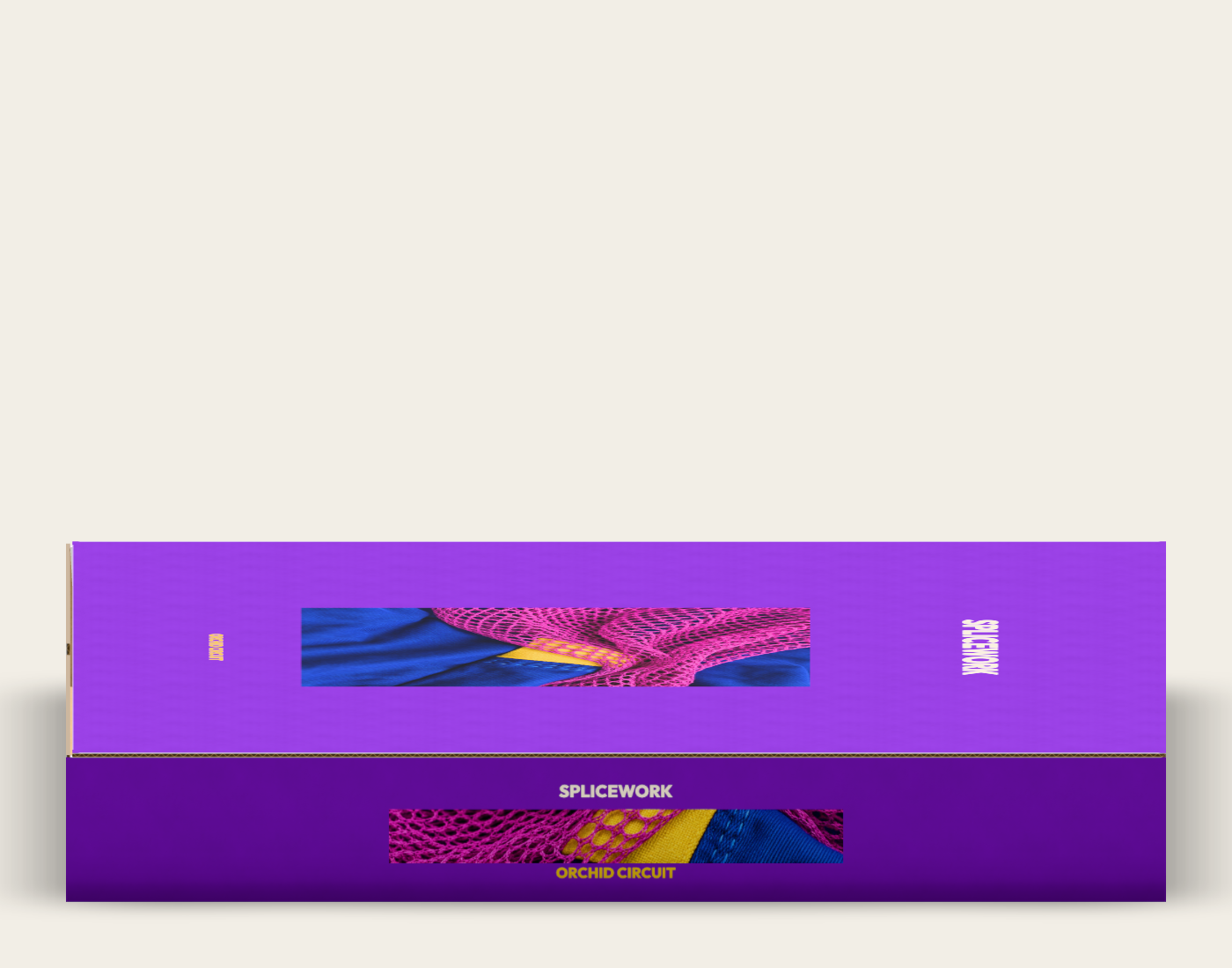
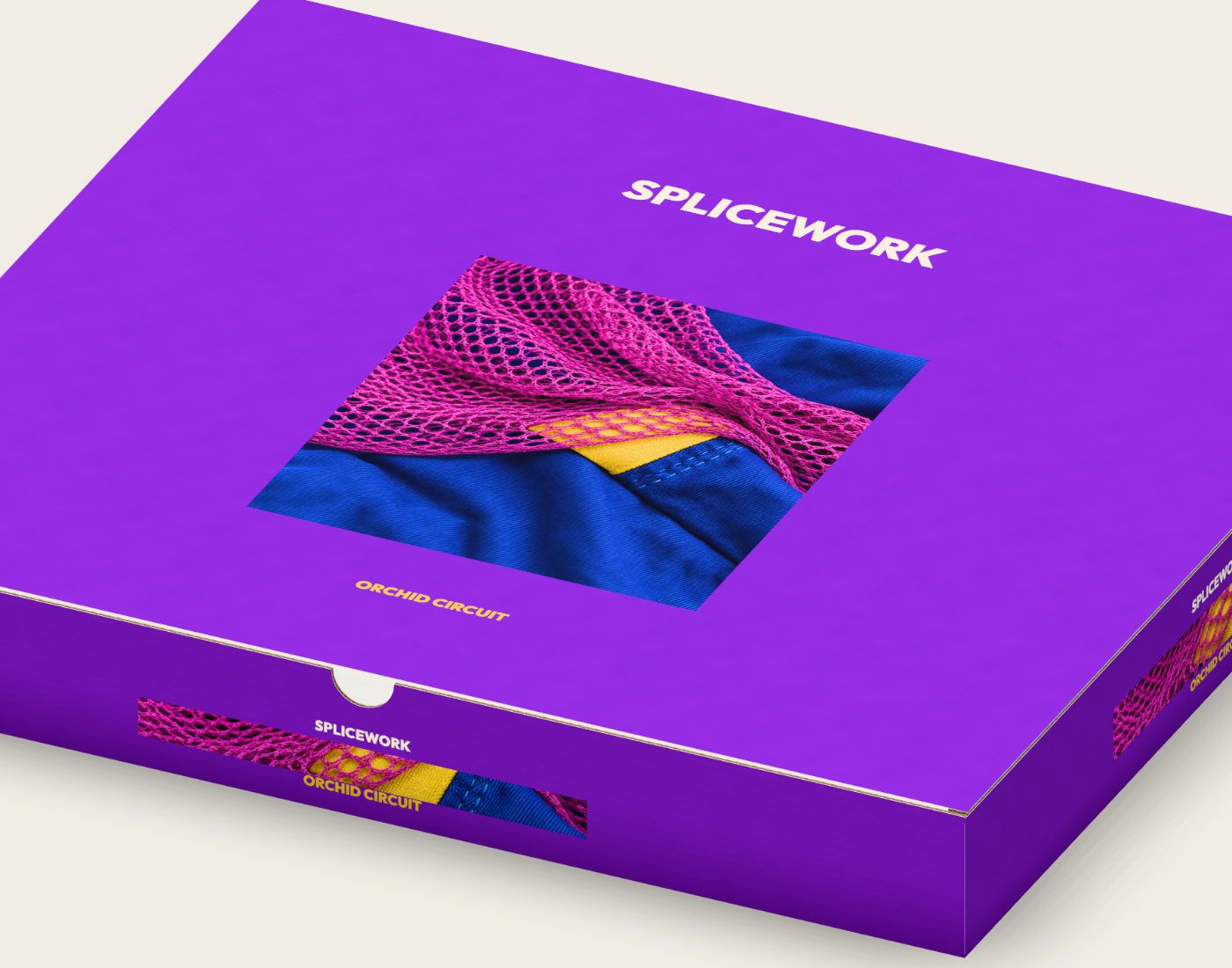
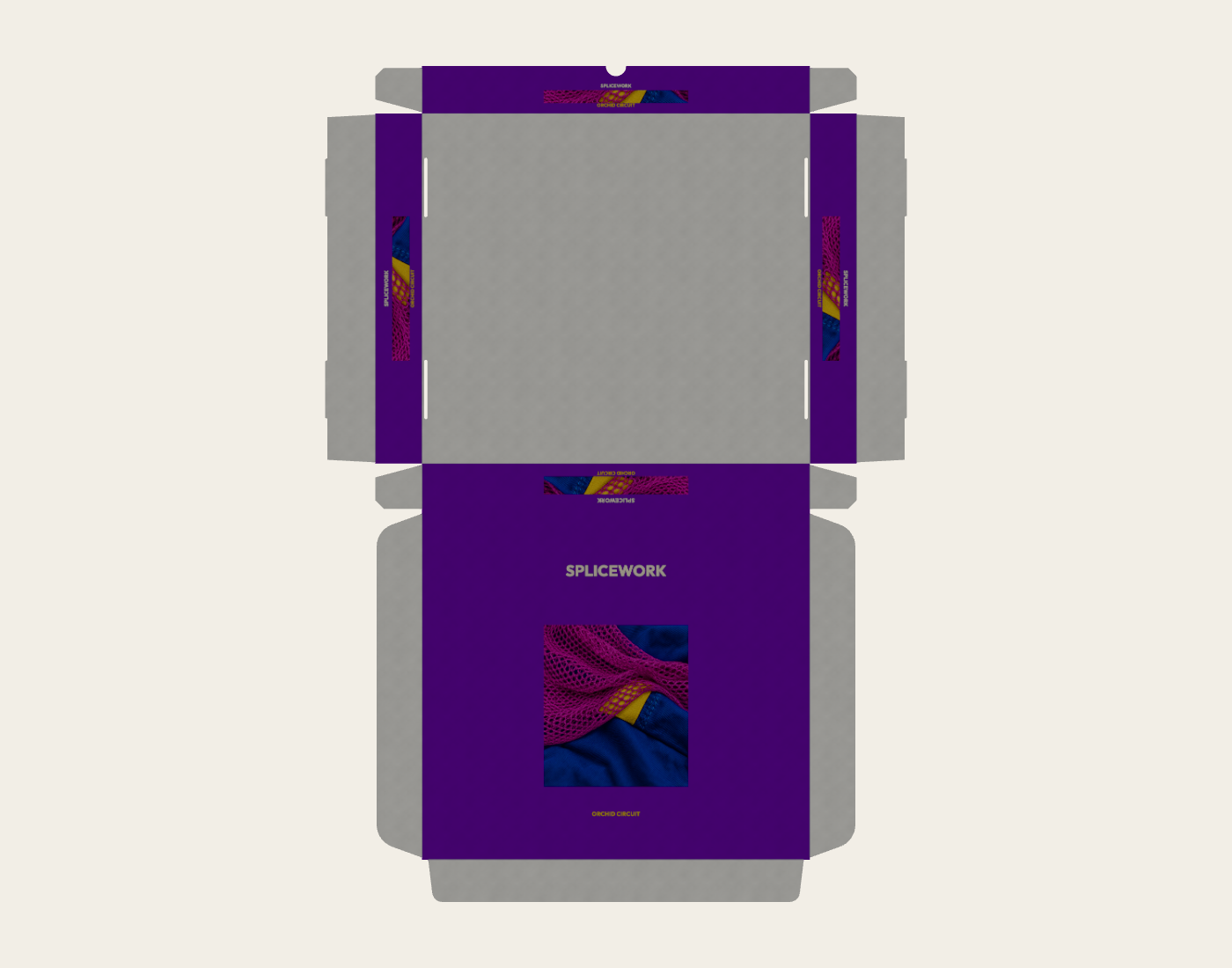
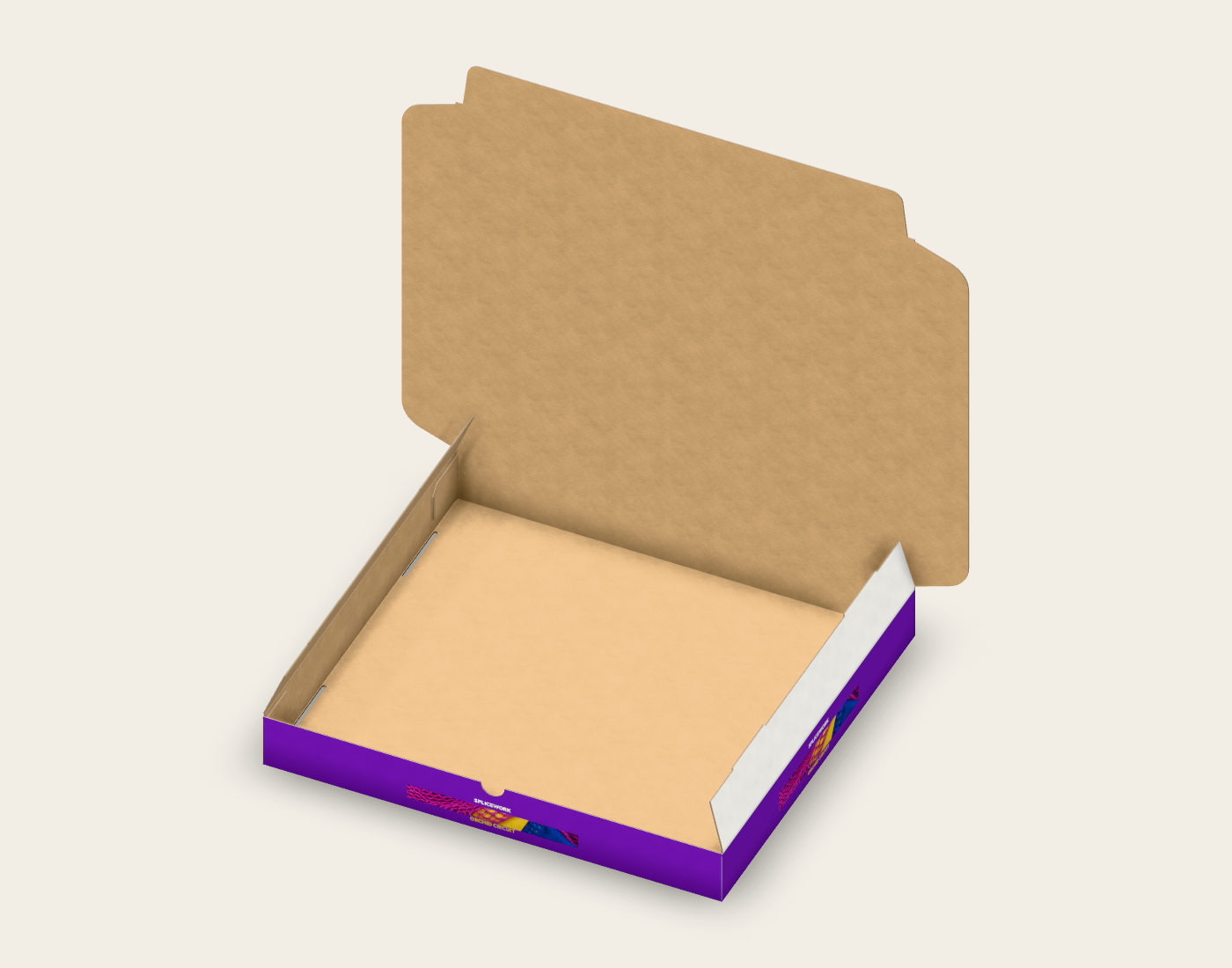
Review the actual folded garment bounds against the usable cavity and wall caliper. Digital fit is separate from garment variation, closure allowance and transit testing.
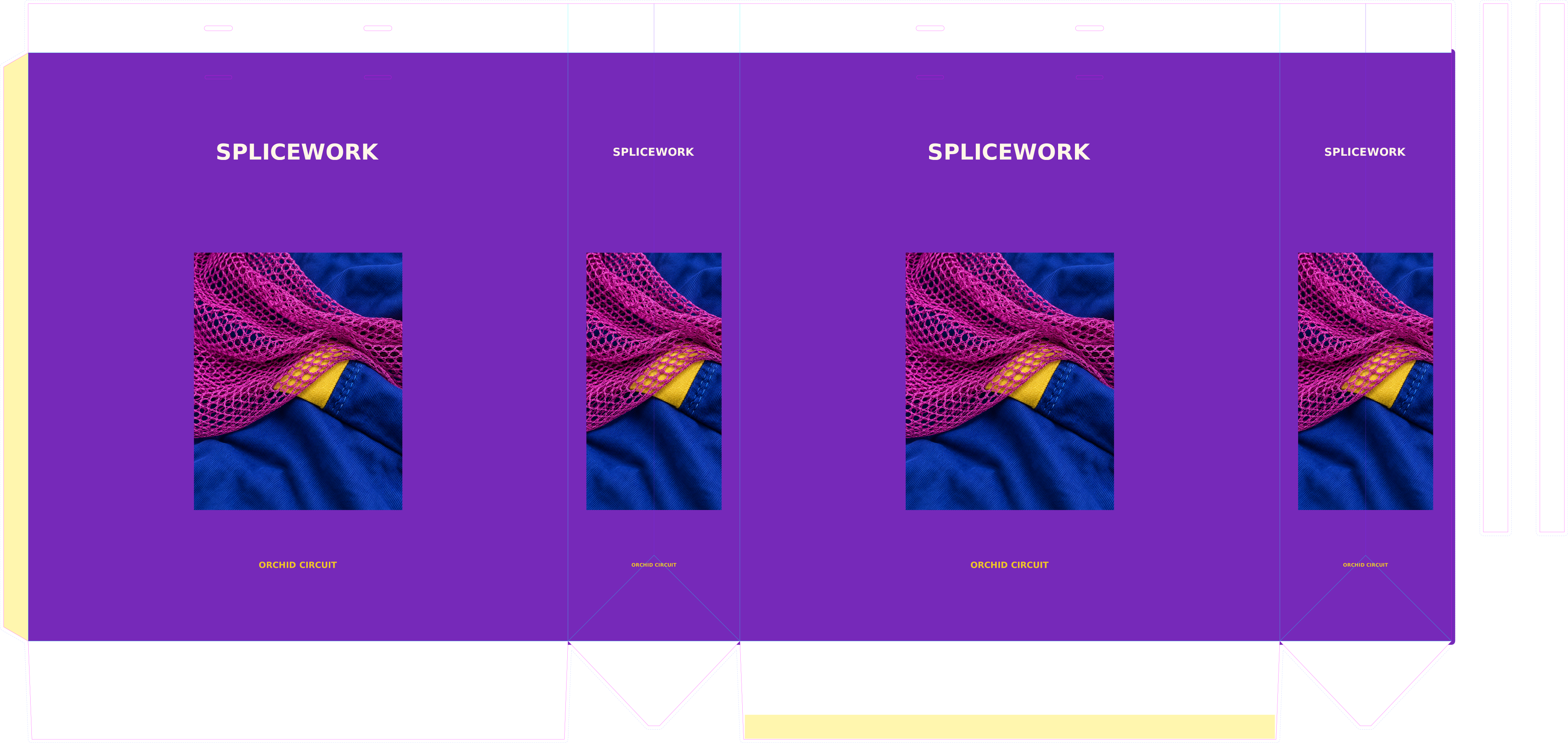
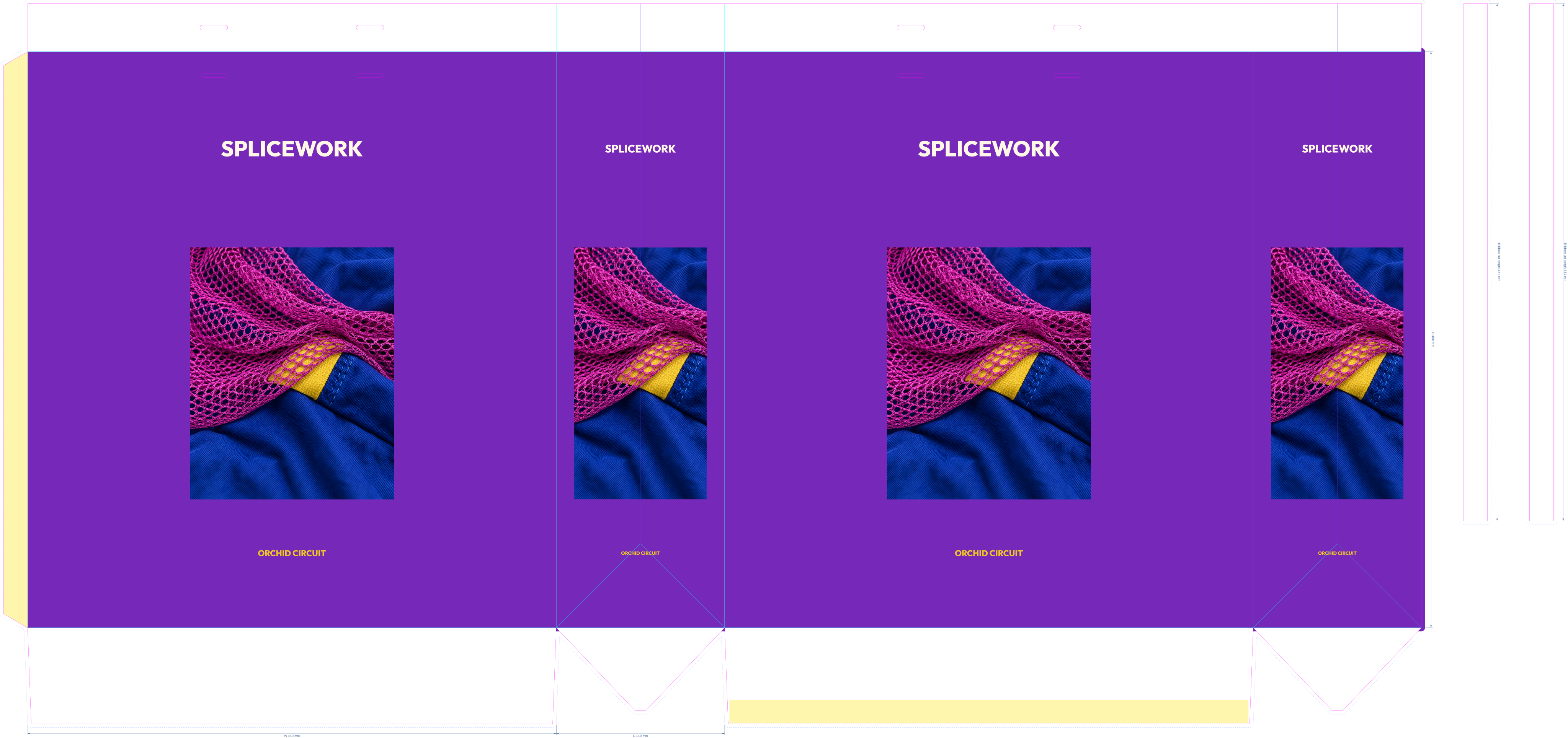
440 × 140 × 480 mm
Paper 170 · satin ribbon handles
Paper bag blank and handle references
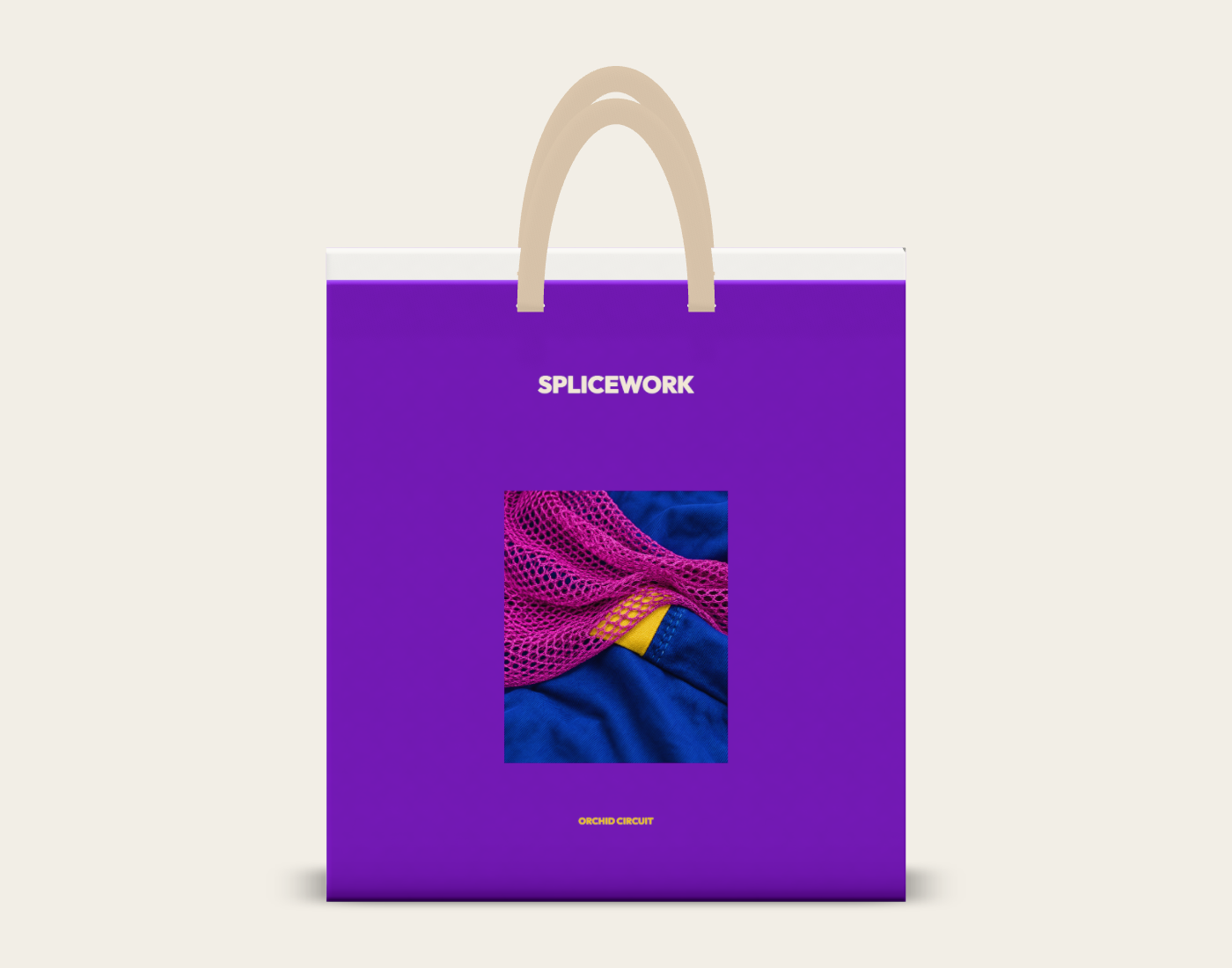
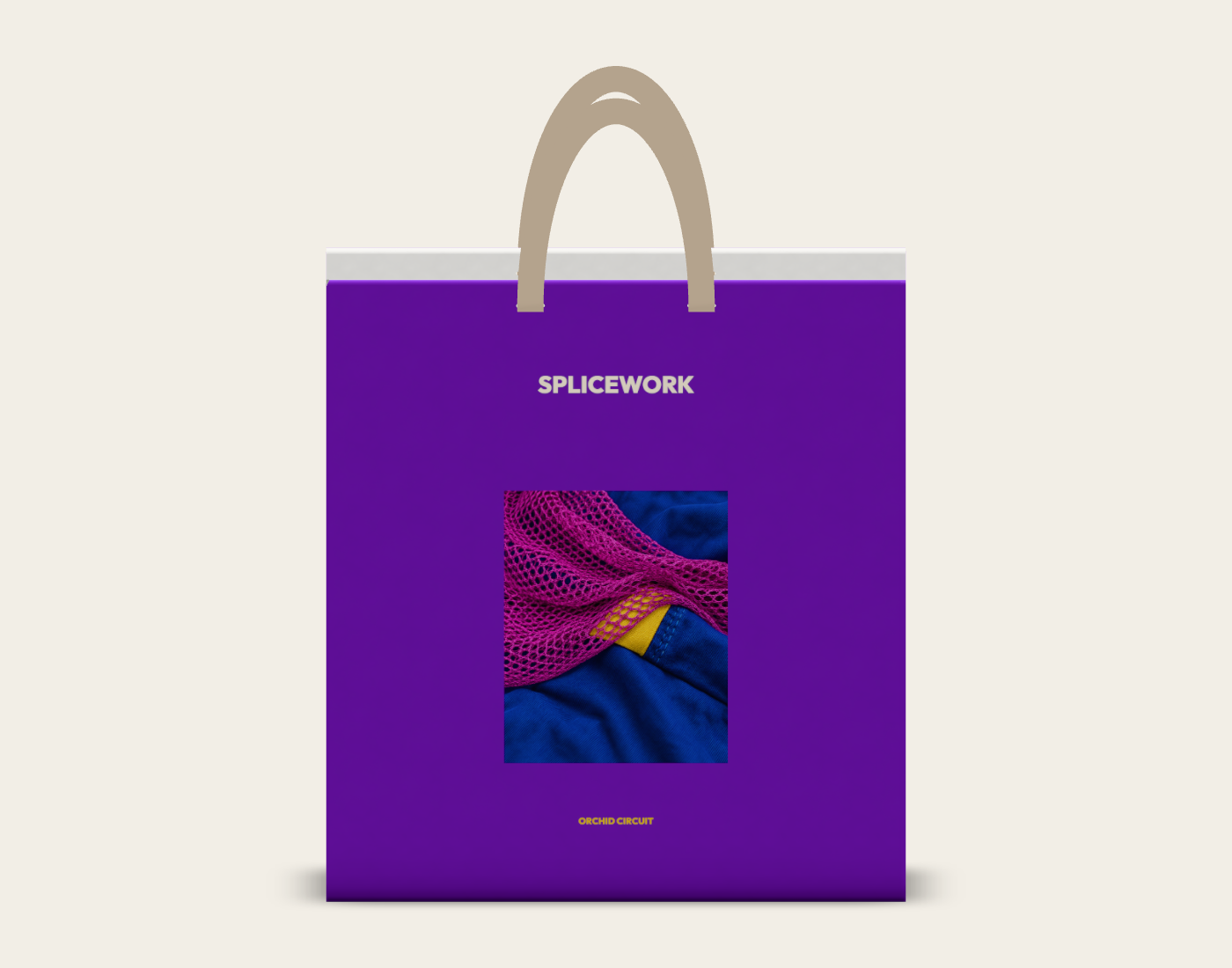

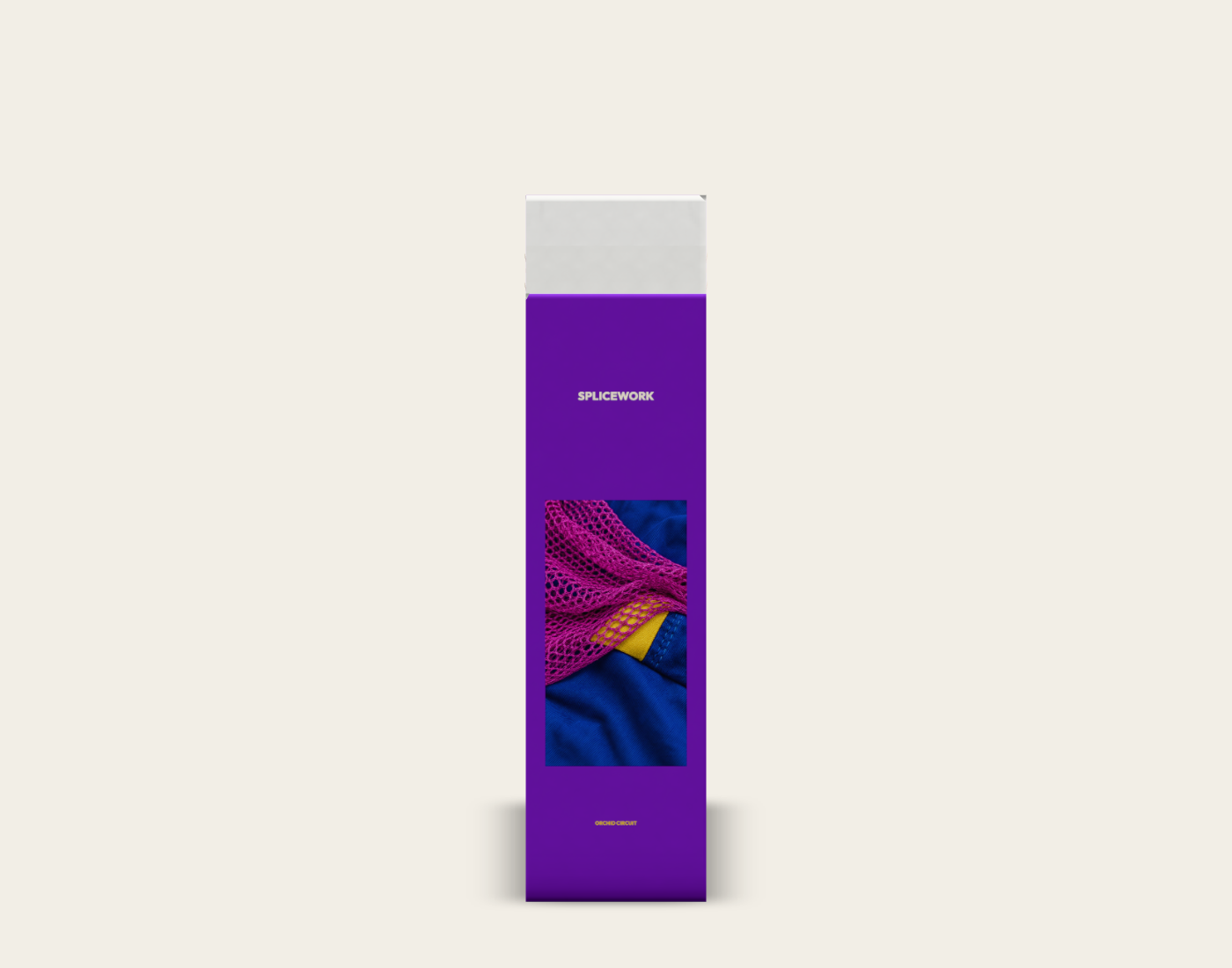
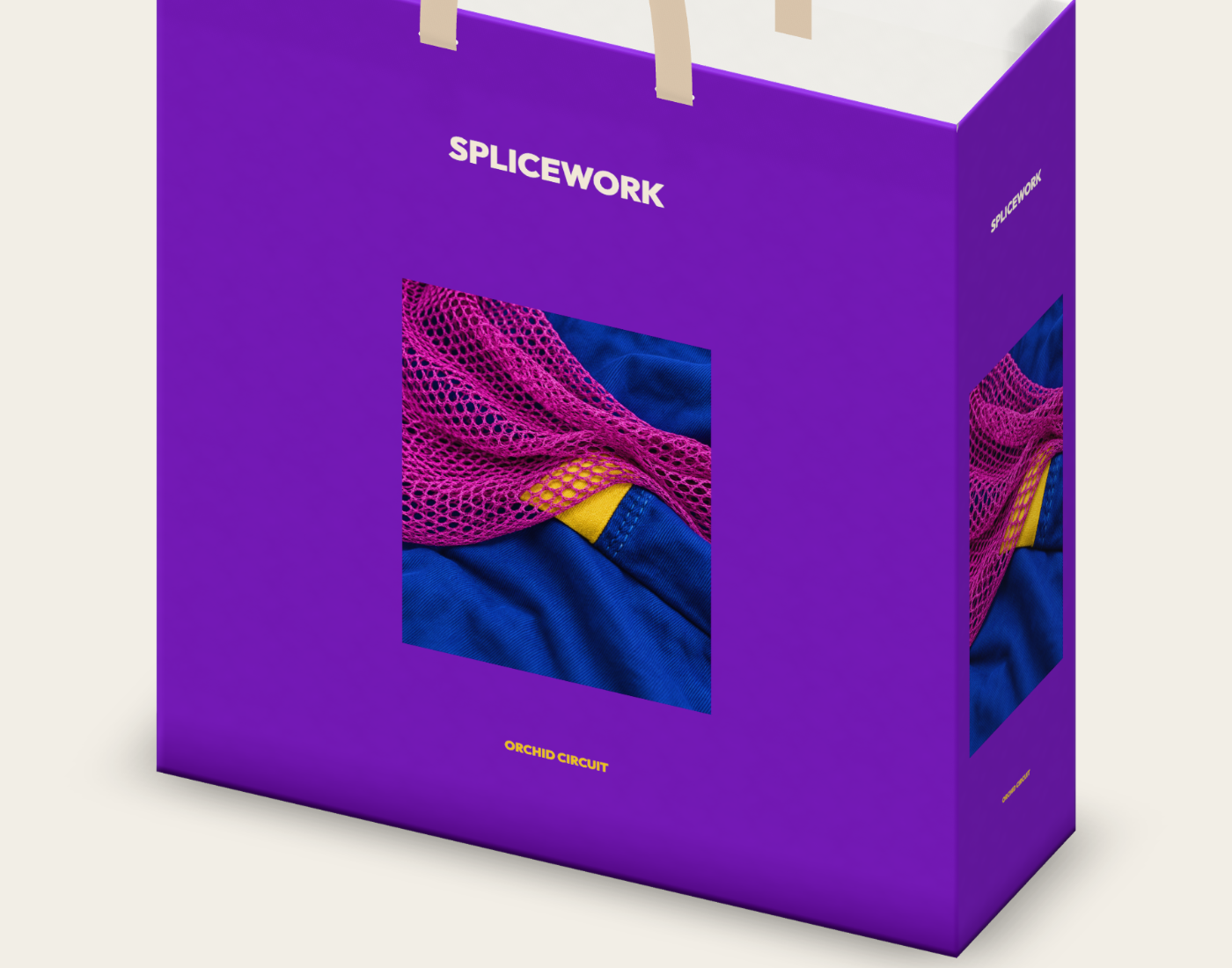
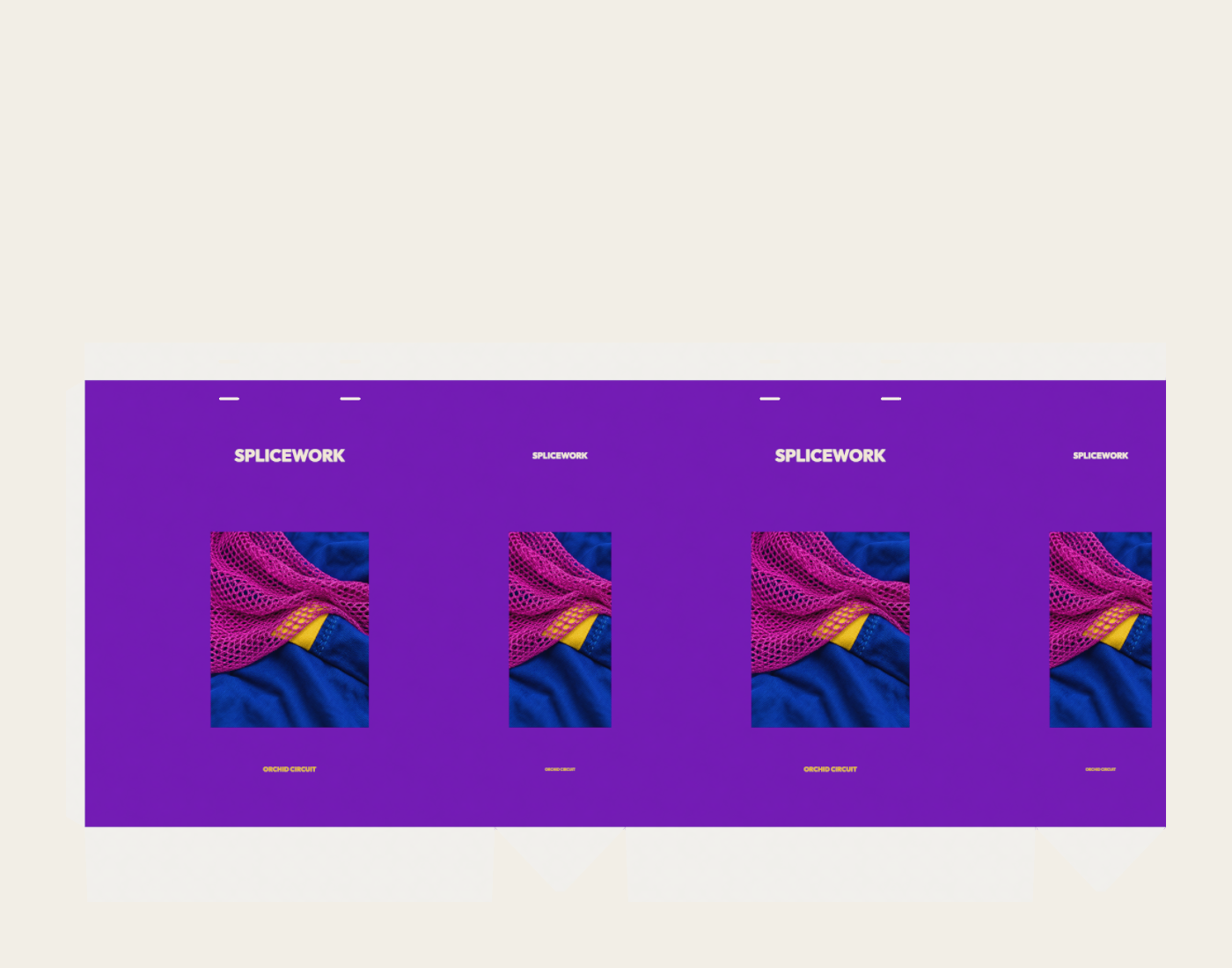
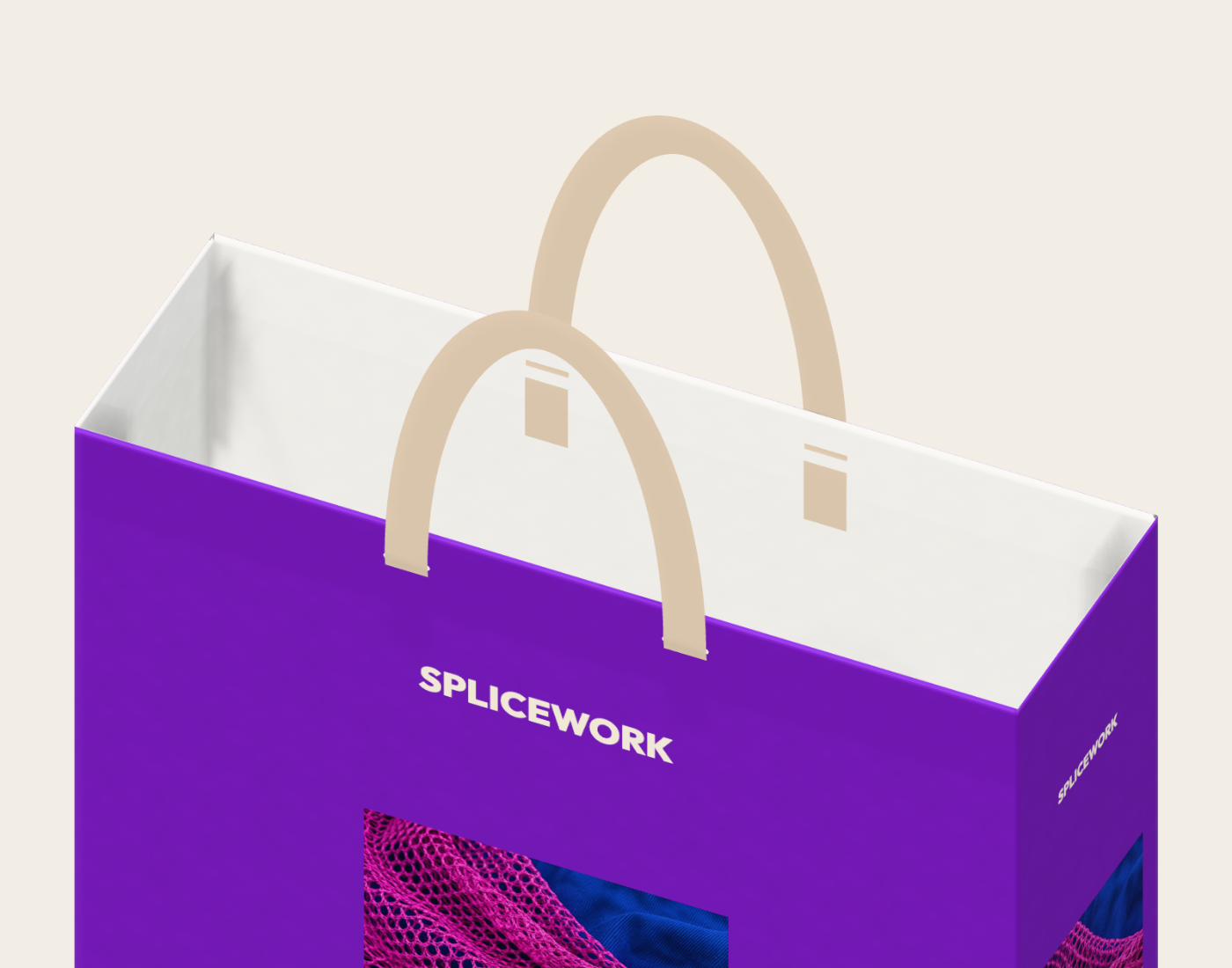
Modeled ribbon loops use 20 mm ribbon, 130 mm slot spacing, 150 mm drop and a 40 mm top fold. Handle strength, reinforcement and finished load capacity need supplier checks.
417 × 391 × 37 mm reference envelope
Paper 170 reference stock
Generic parcel-wrap reference
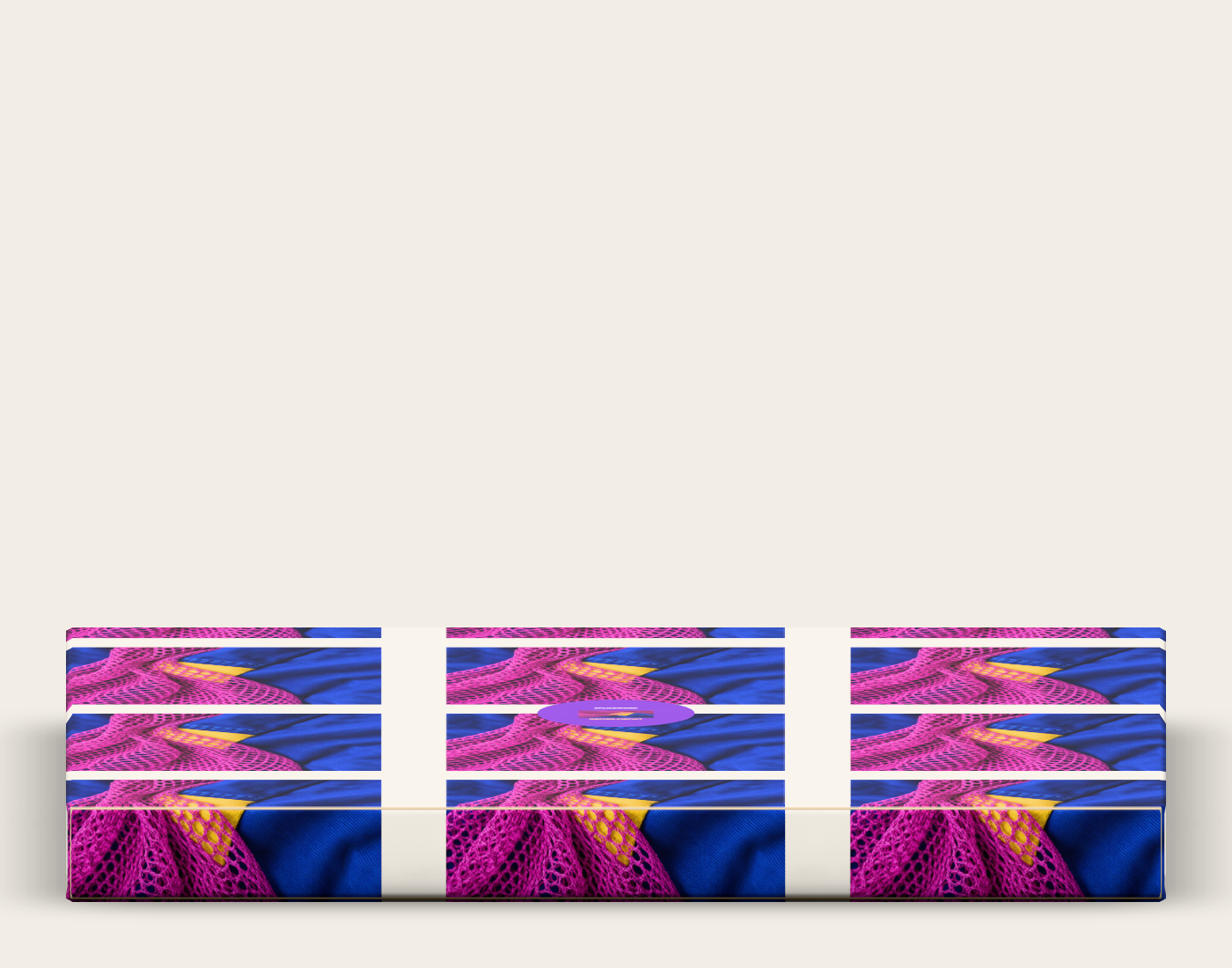
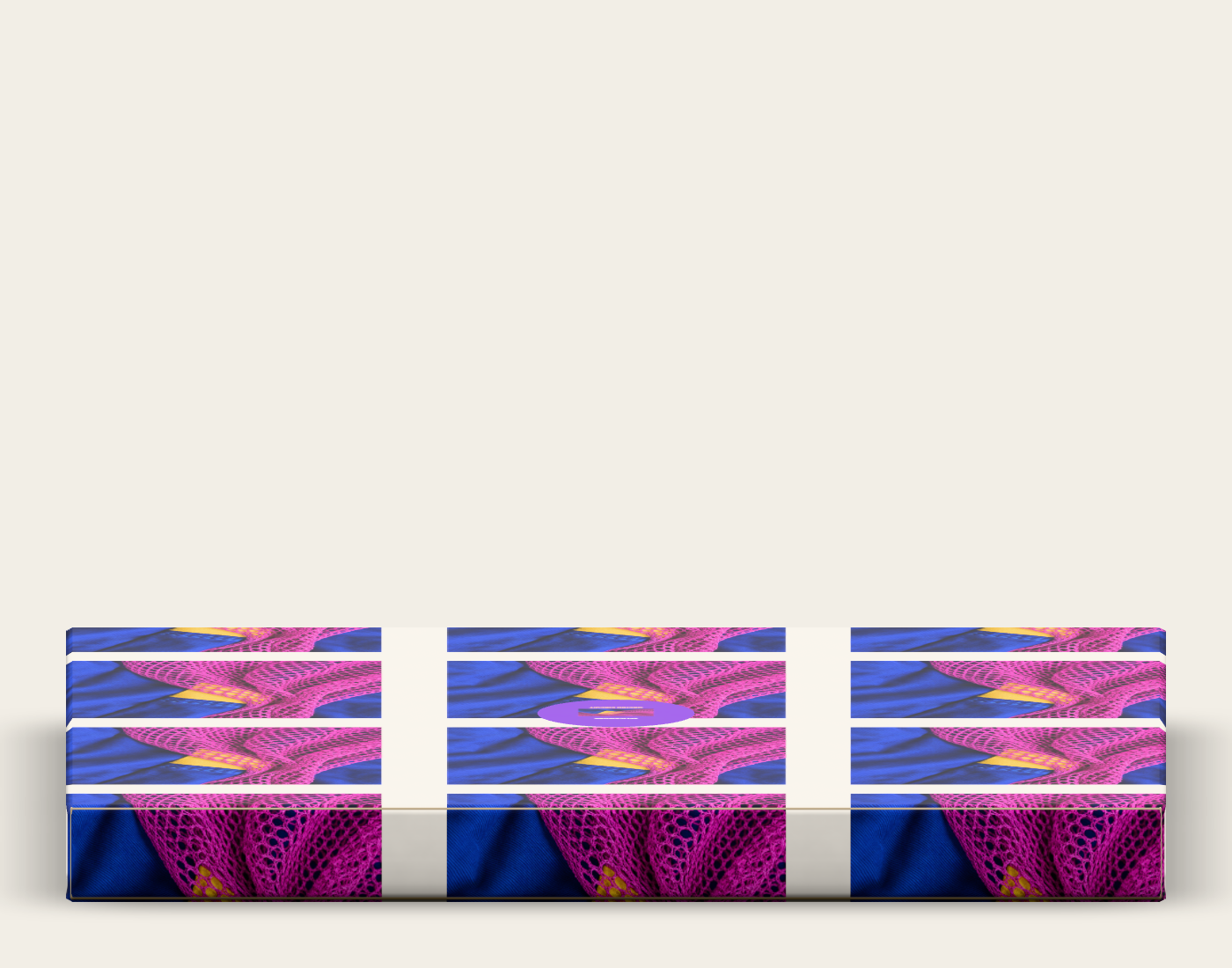
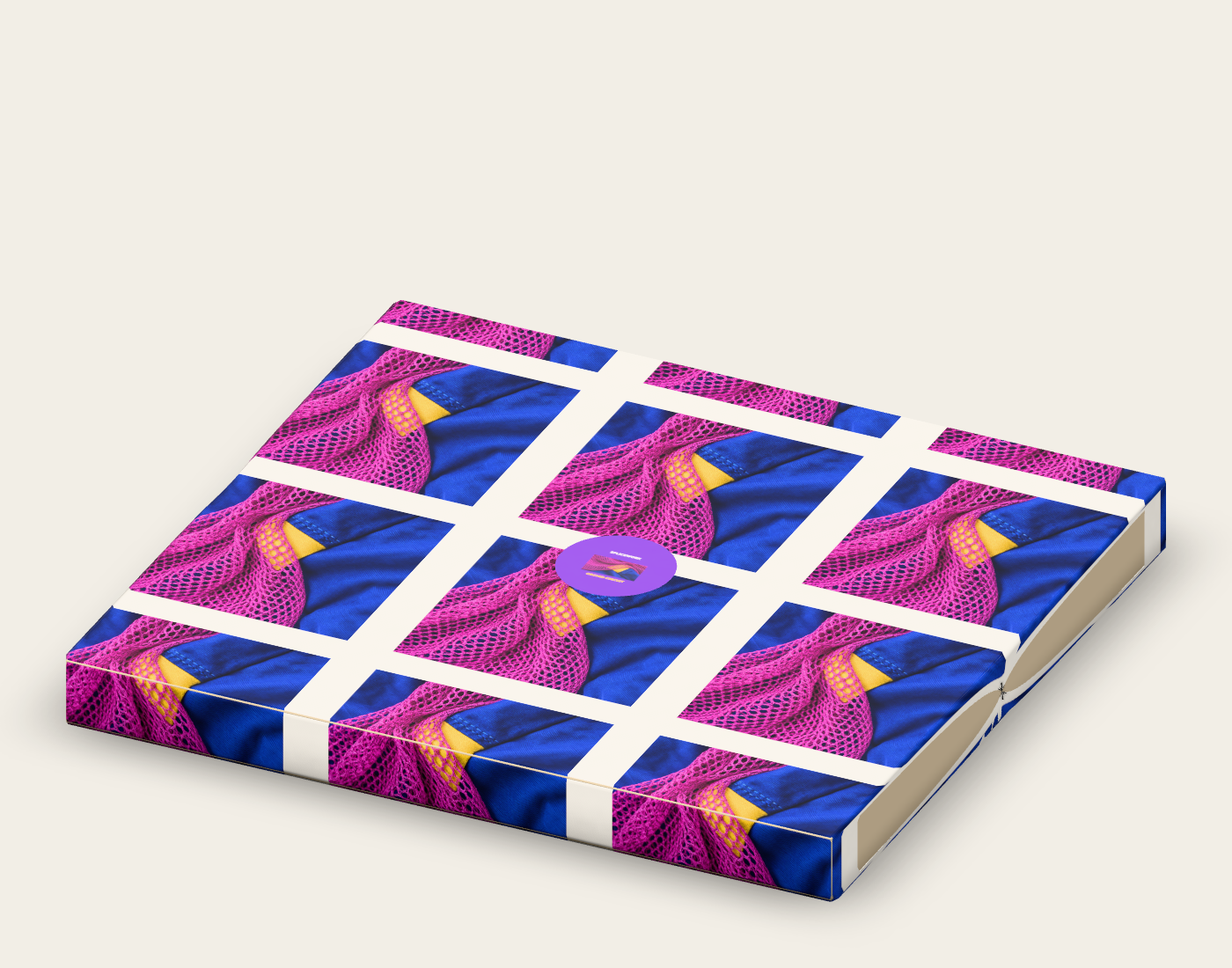
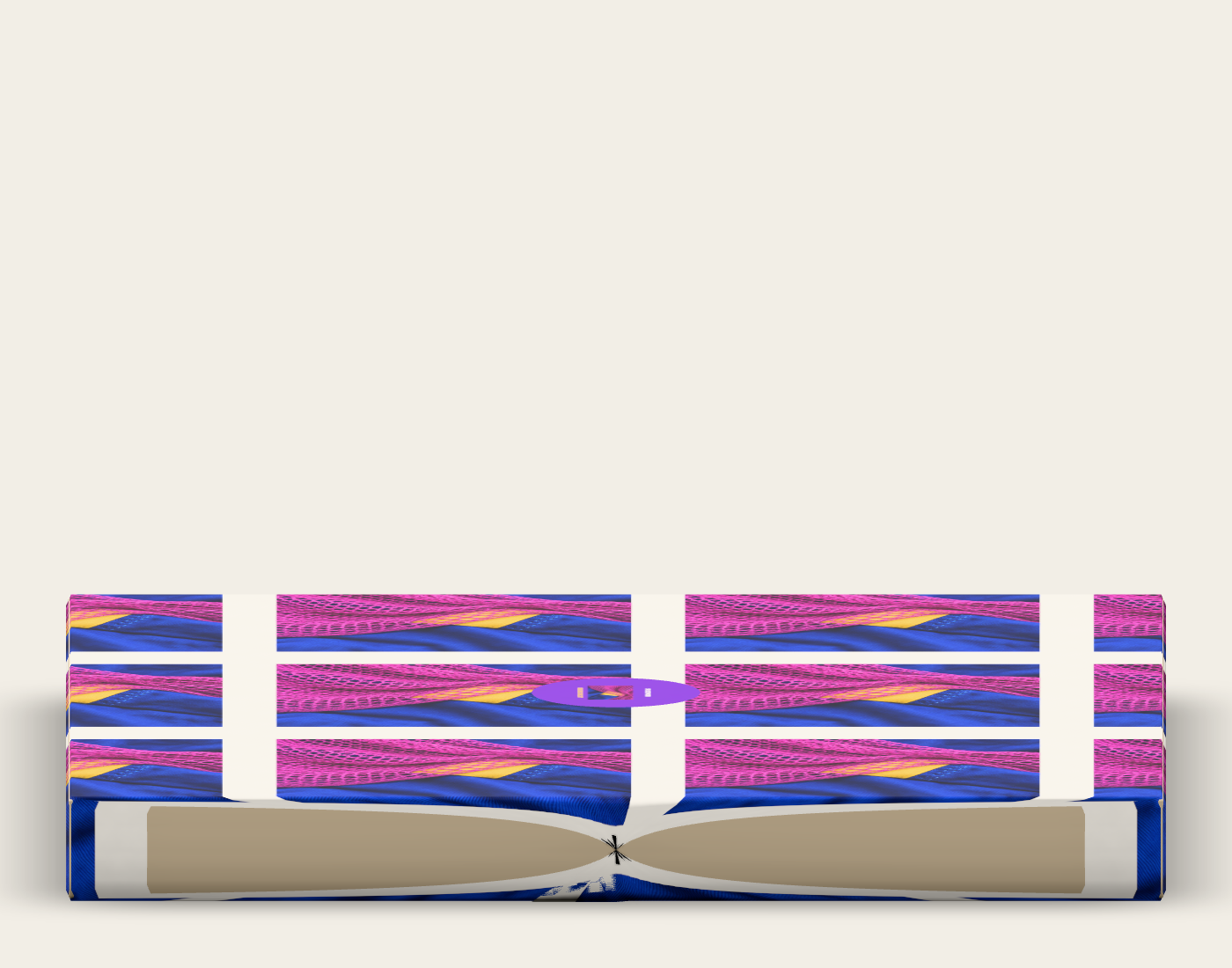
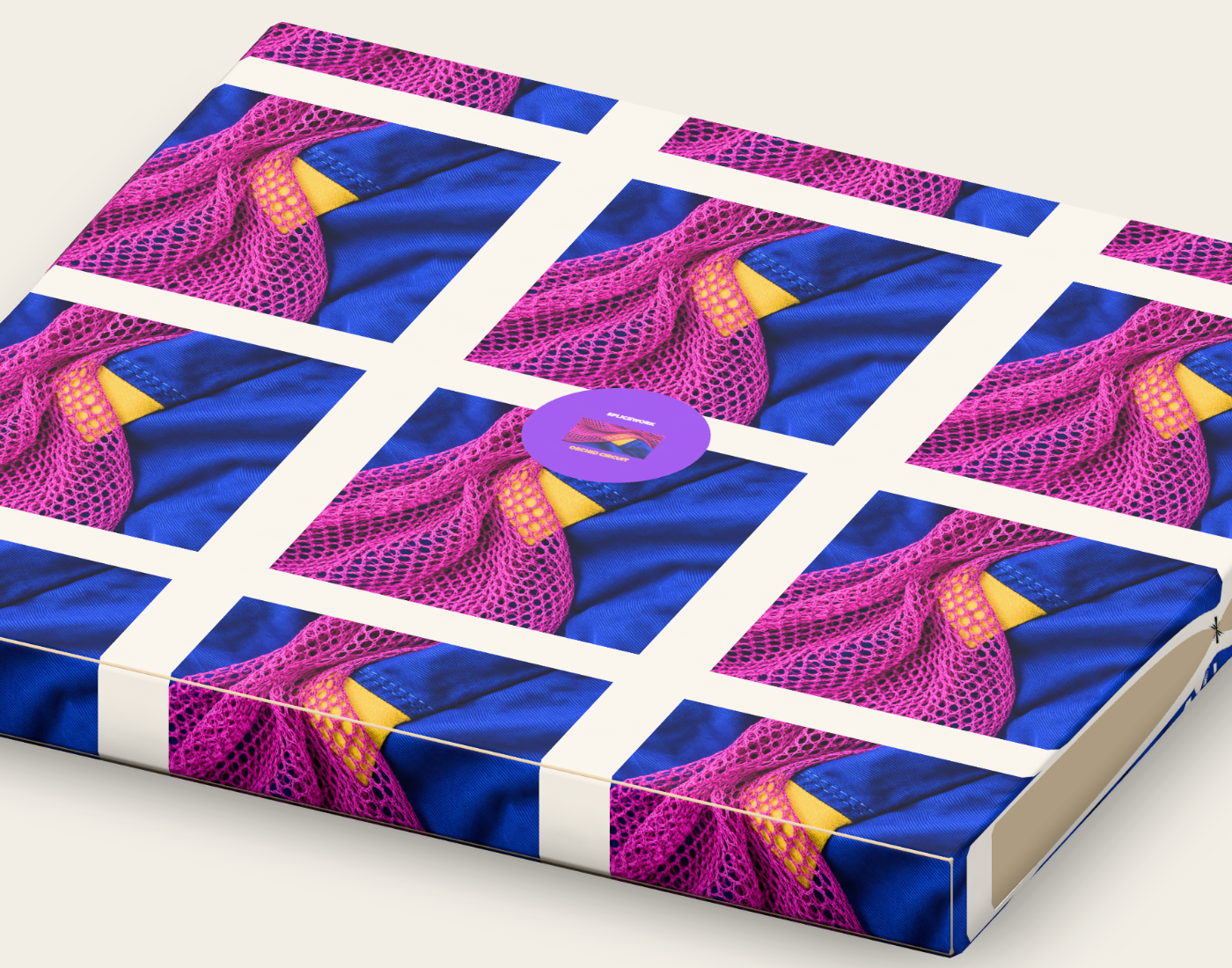
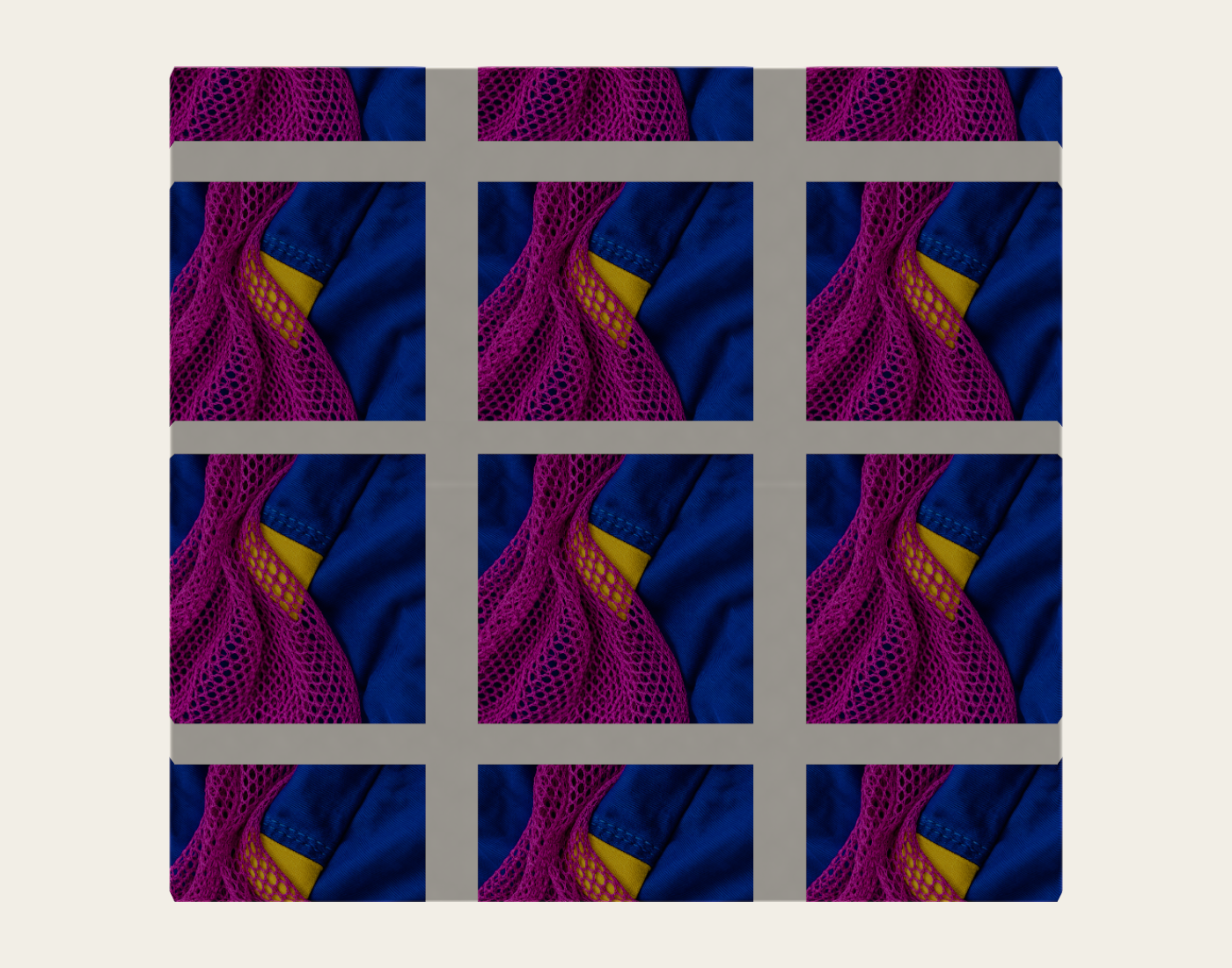
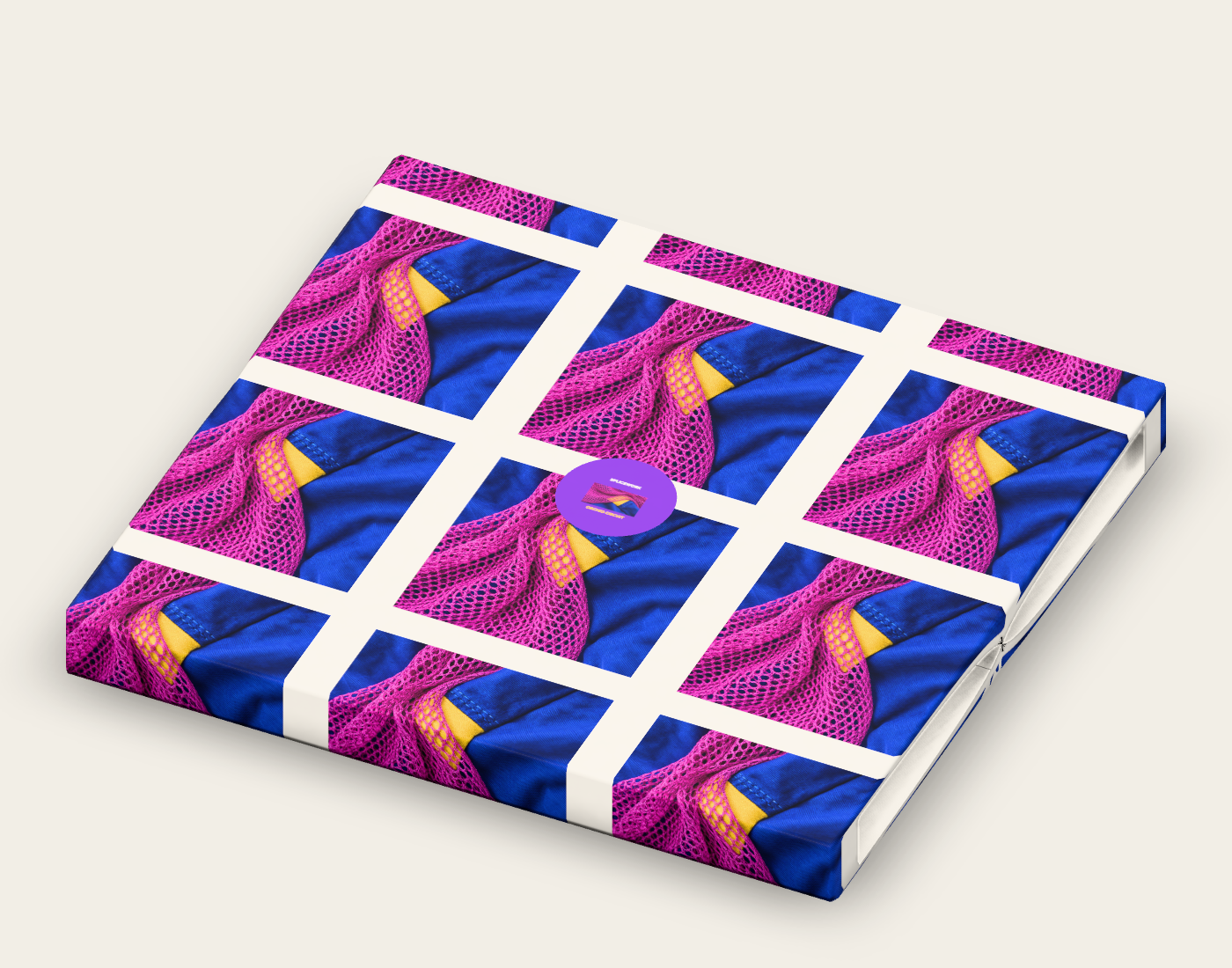
This existing wrap illustrates coordinated artwork around the stated envelope. It does not establish a bespoke tissue fold, tissue grade or production wrapping sequence.
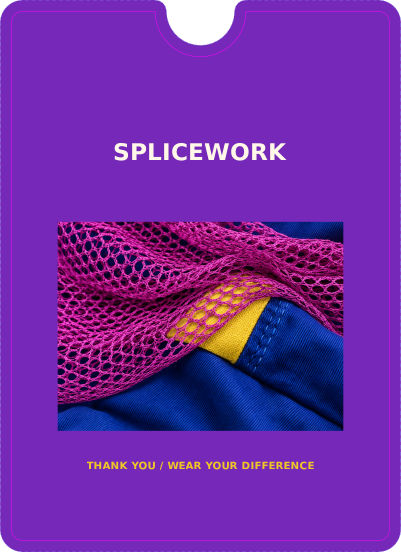
100 × 140 mm
SBS 350
Printed card blank
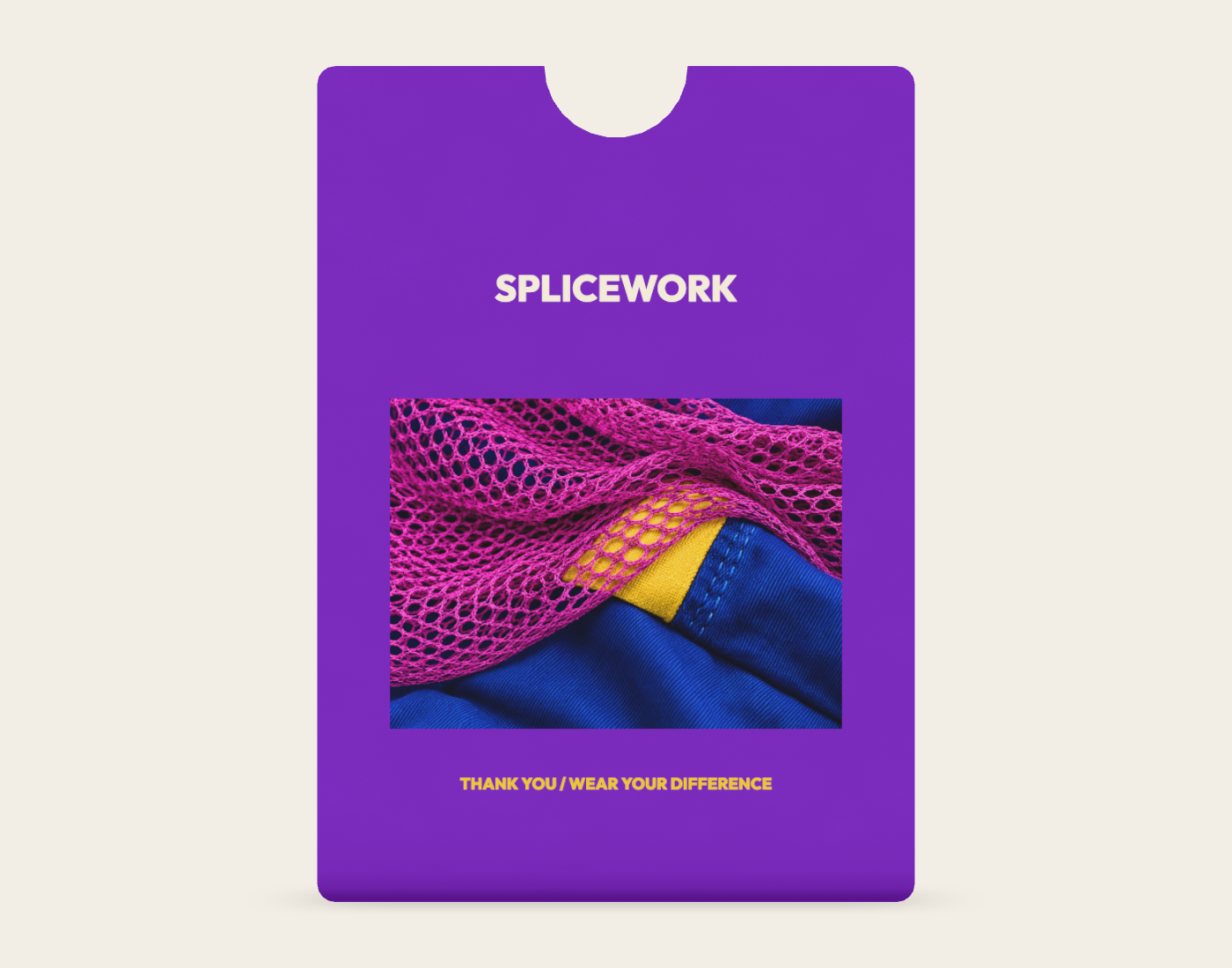


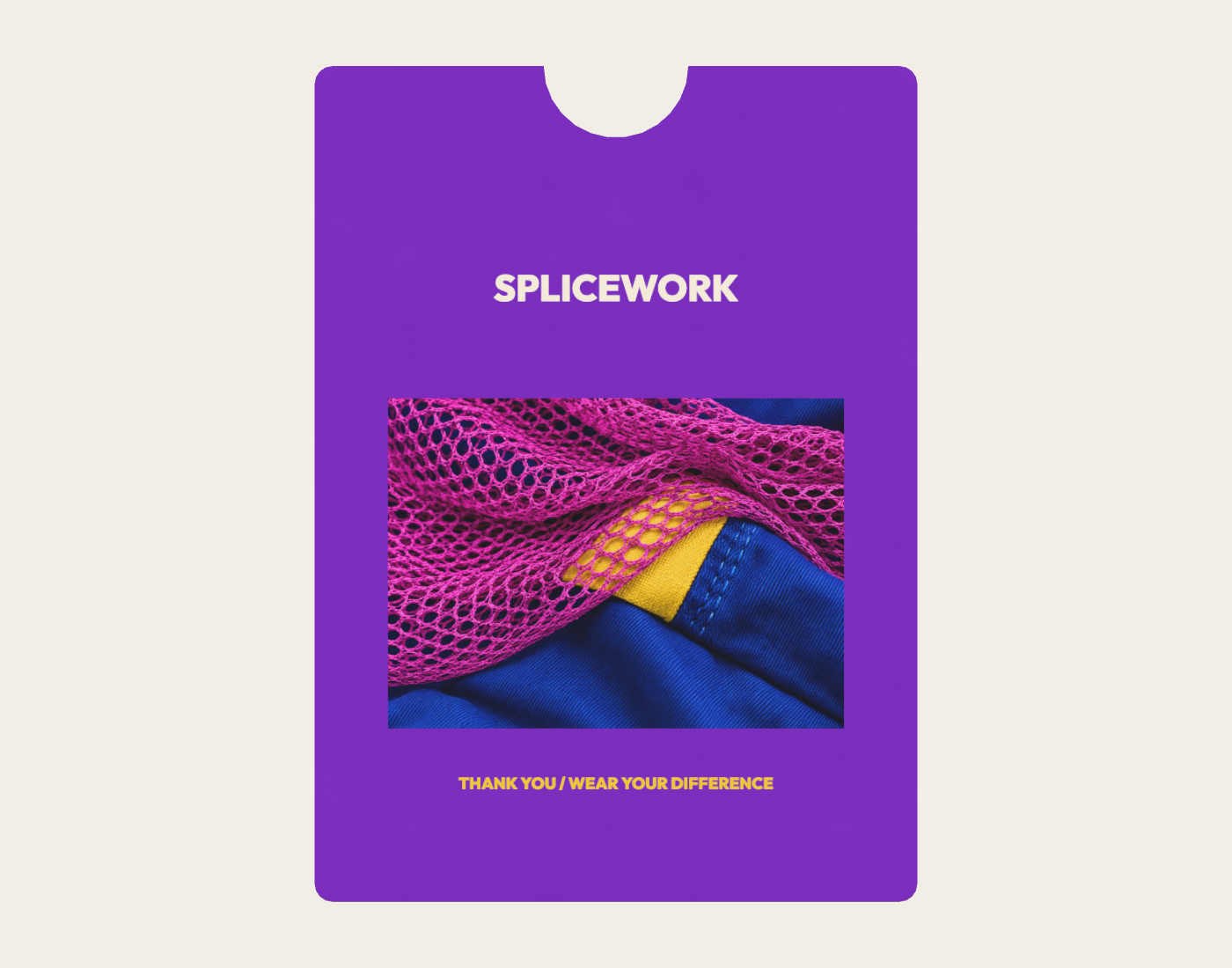
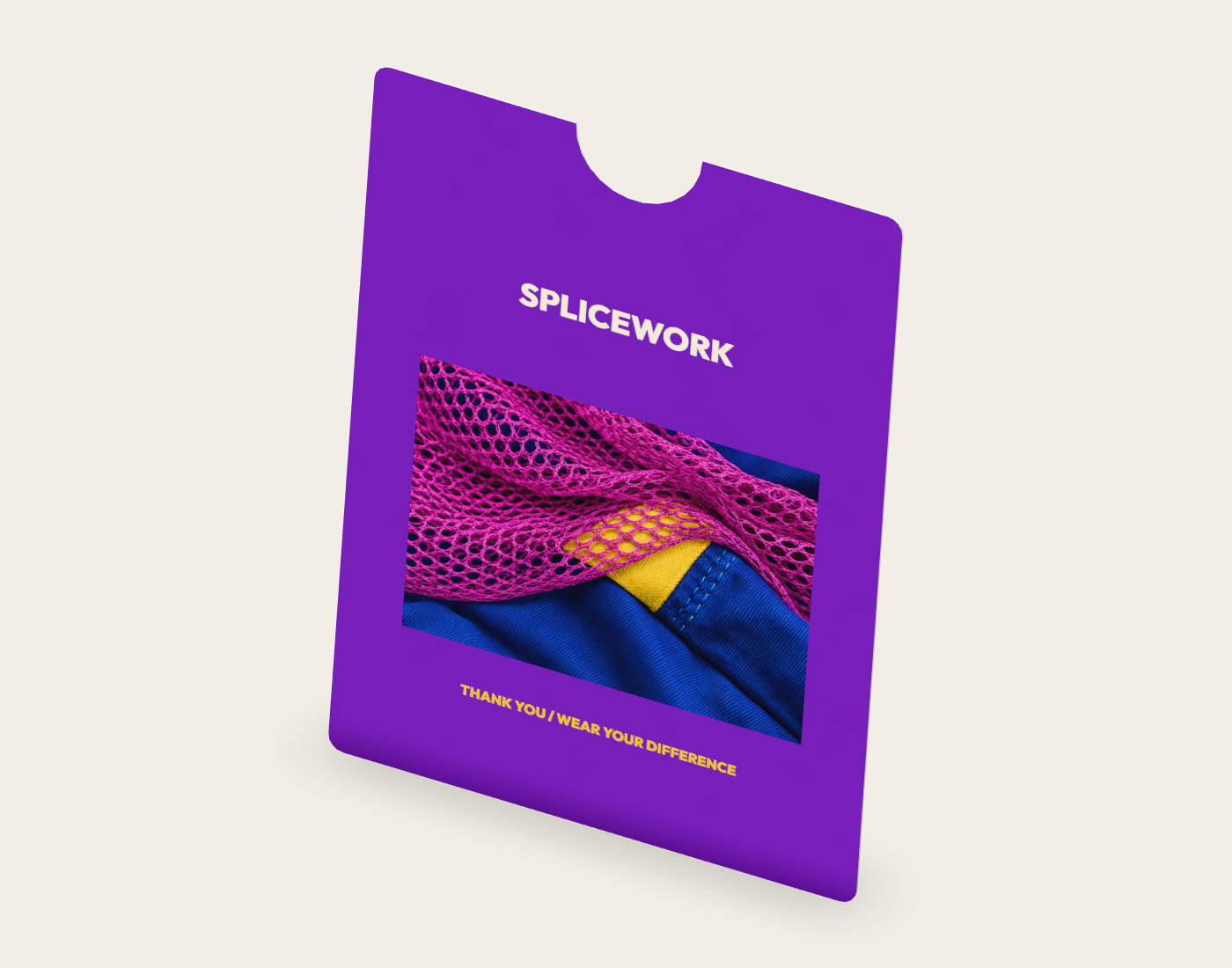
Keep the original artwork and editable message together. Confirm the final paper, trim, color conversion and print resolution with the printer.
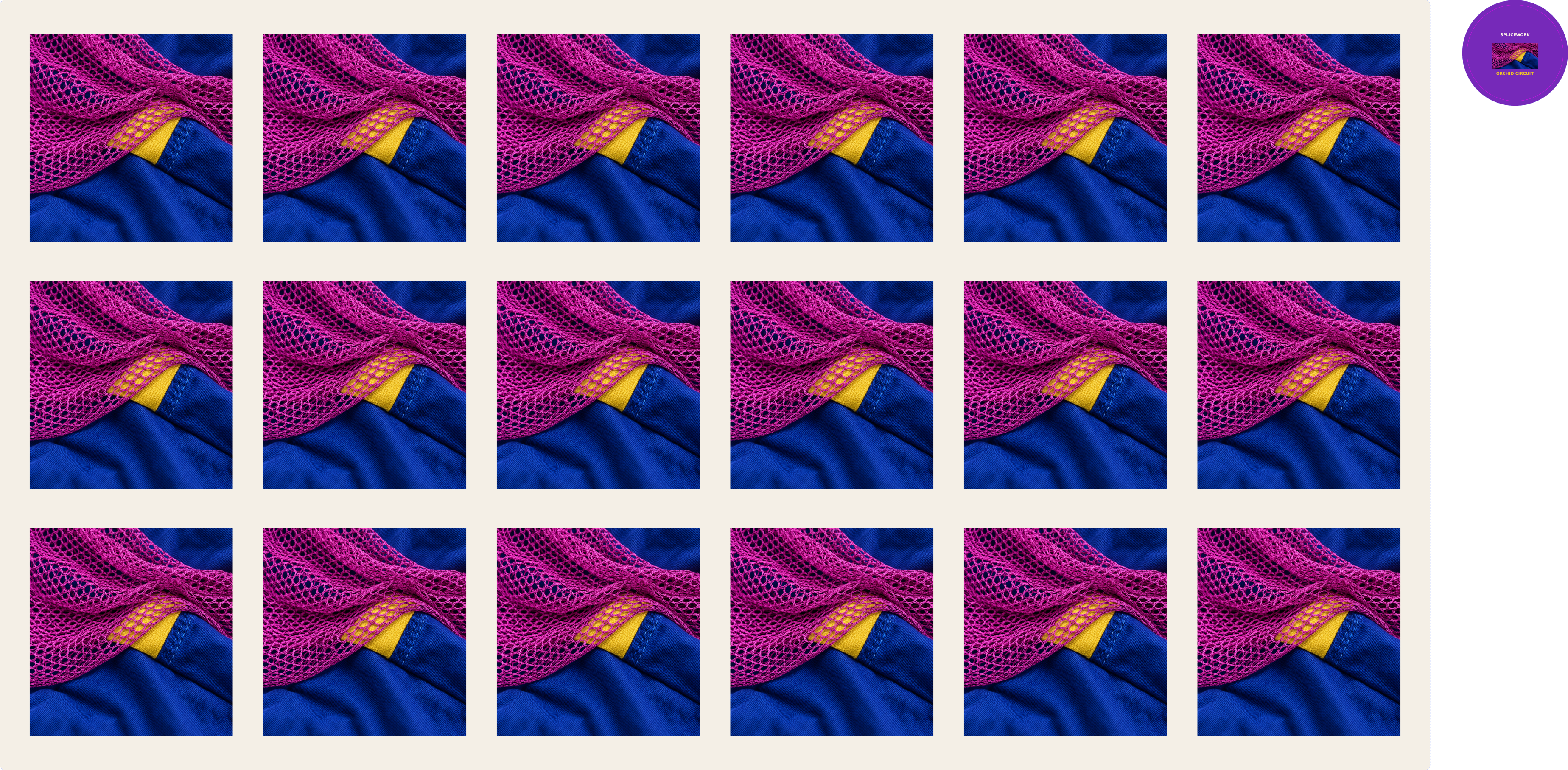
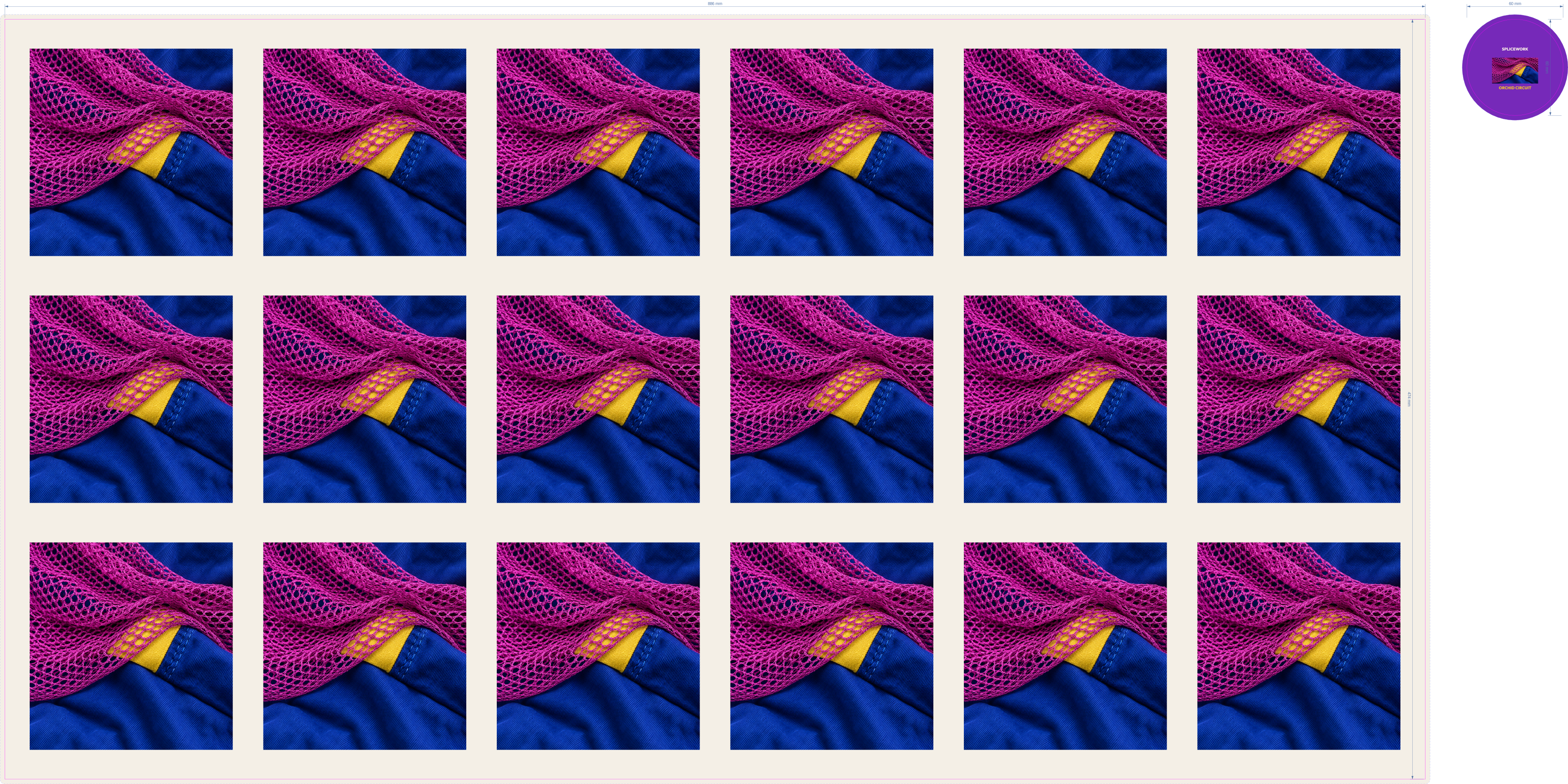
45 × 45 mm
Gloss label stock
Printed sticker blank
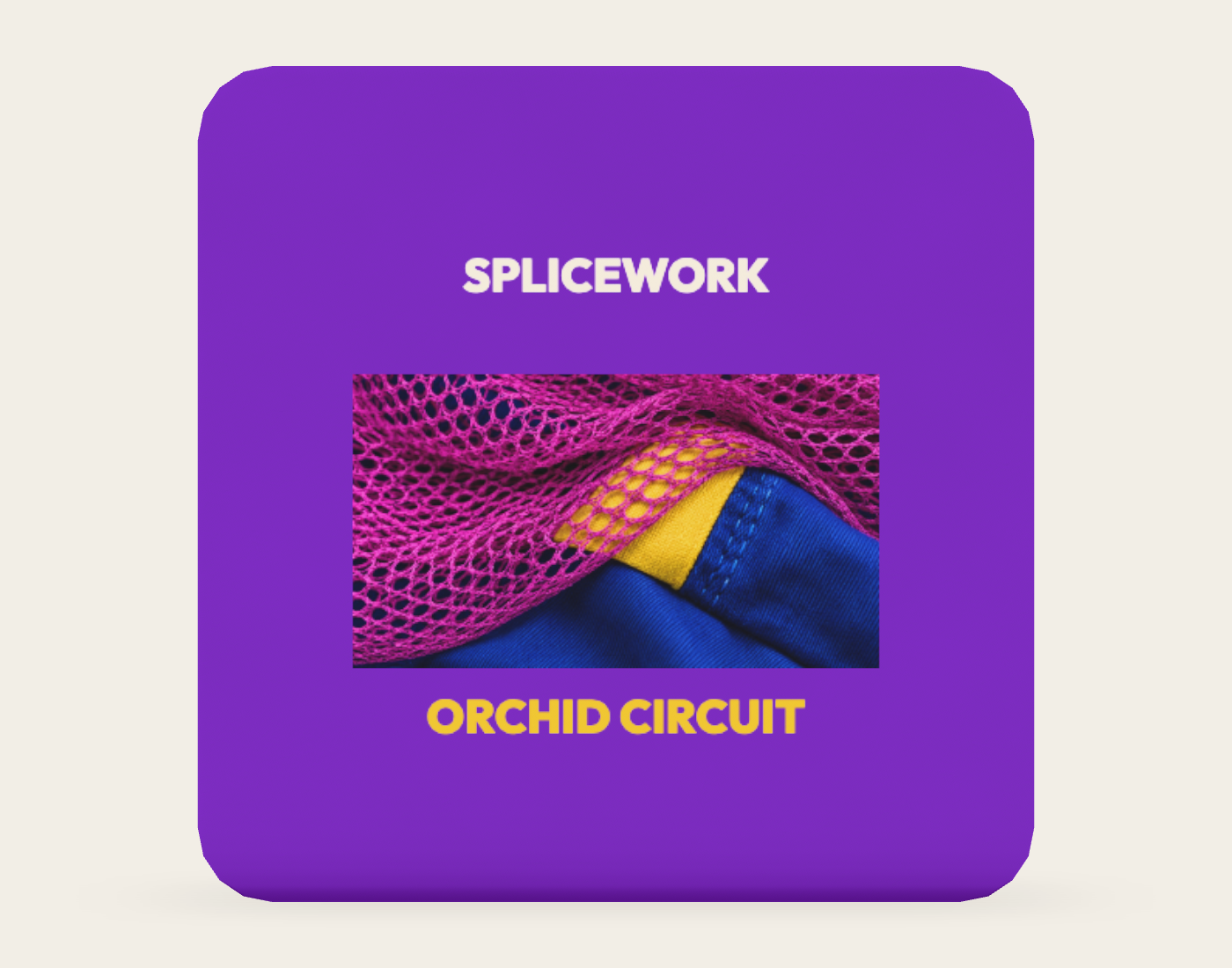
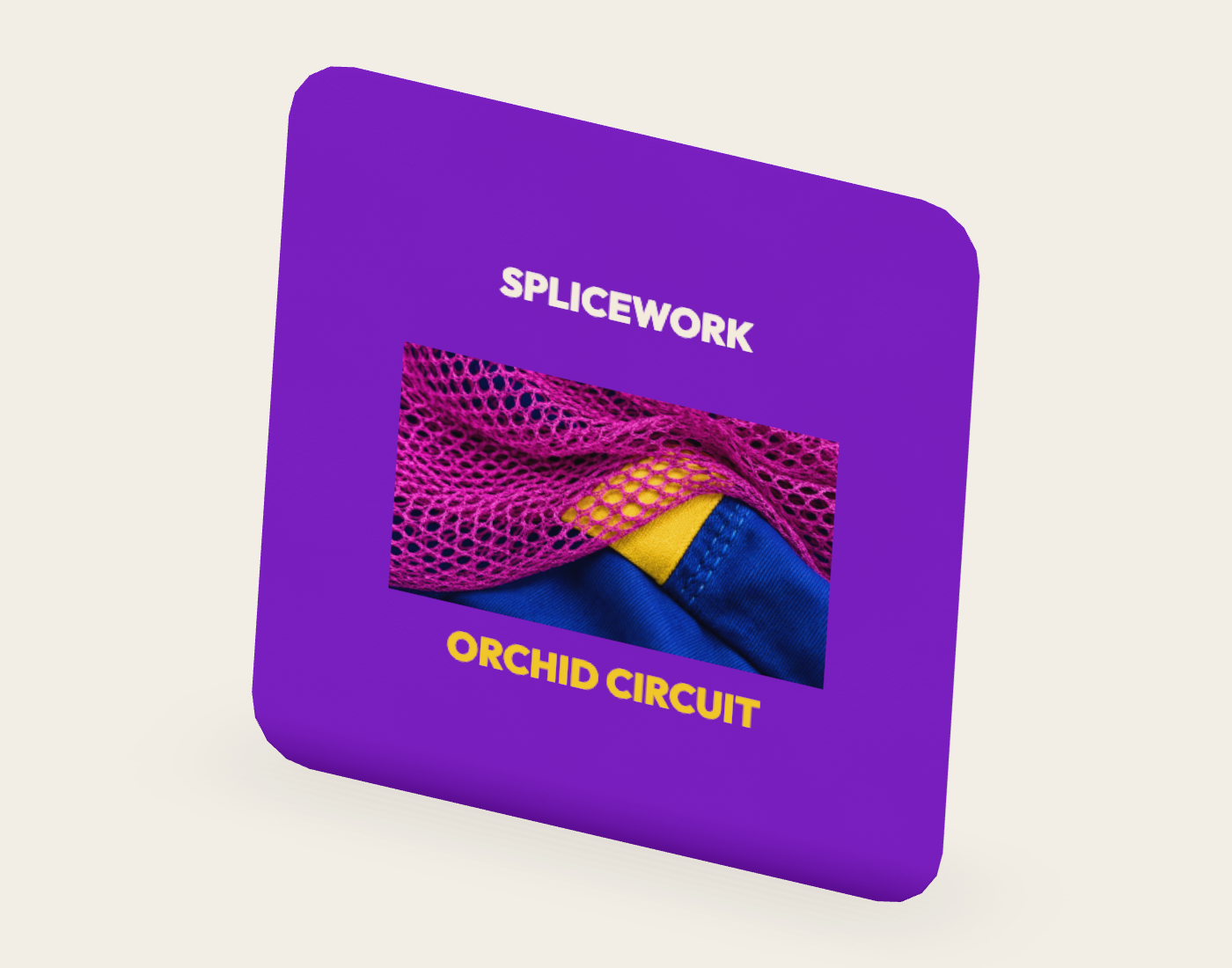


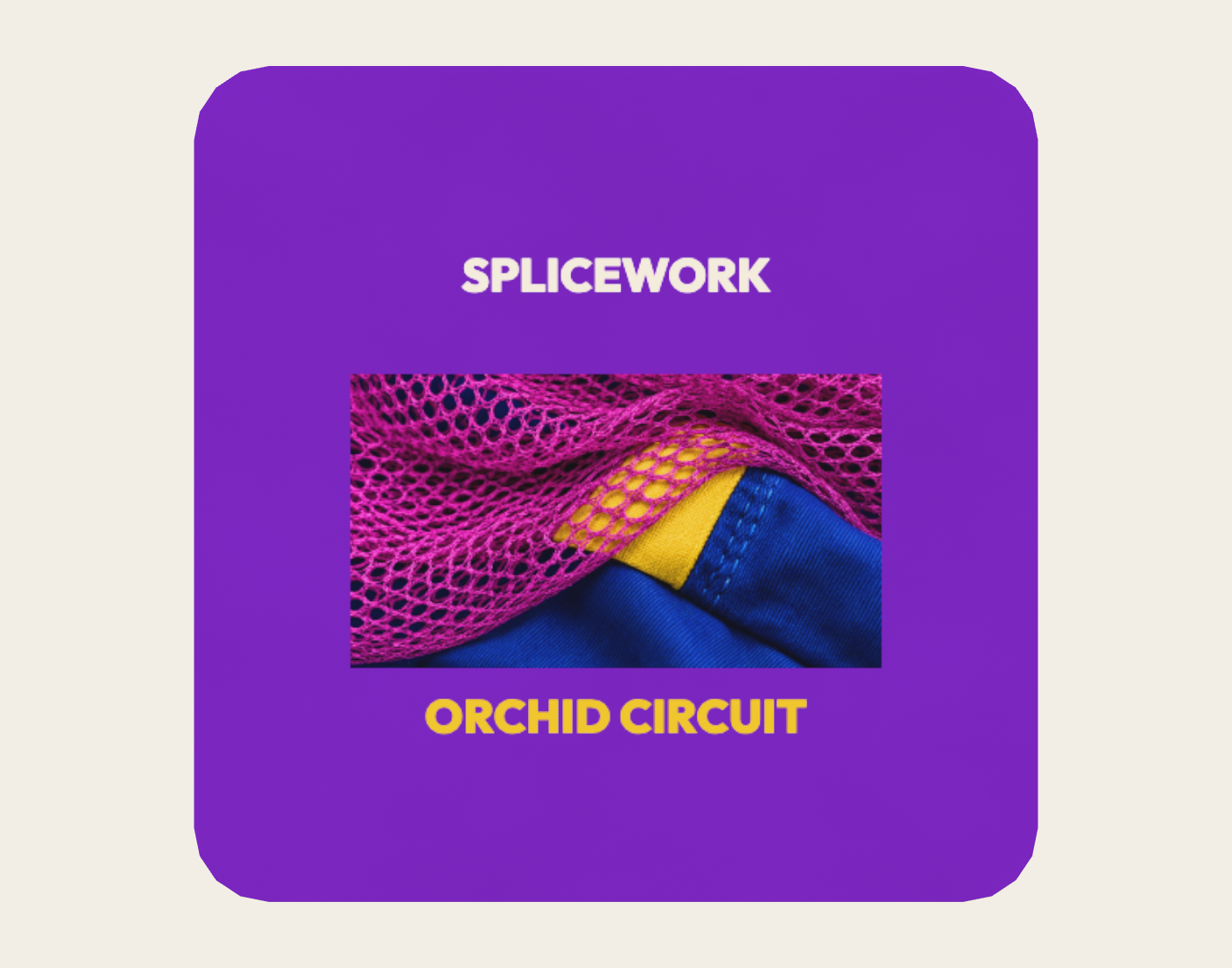
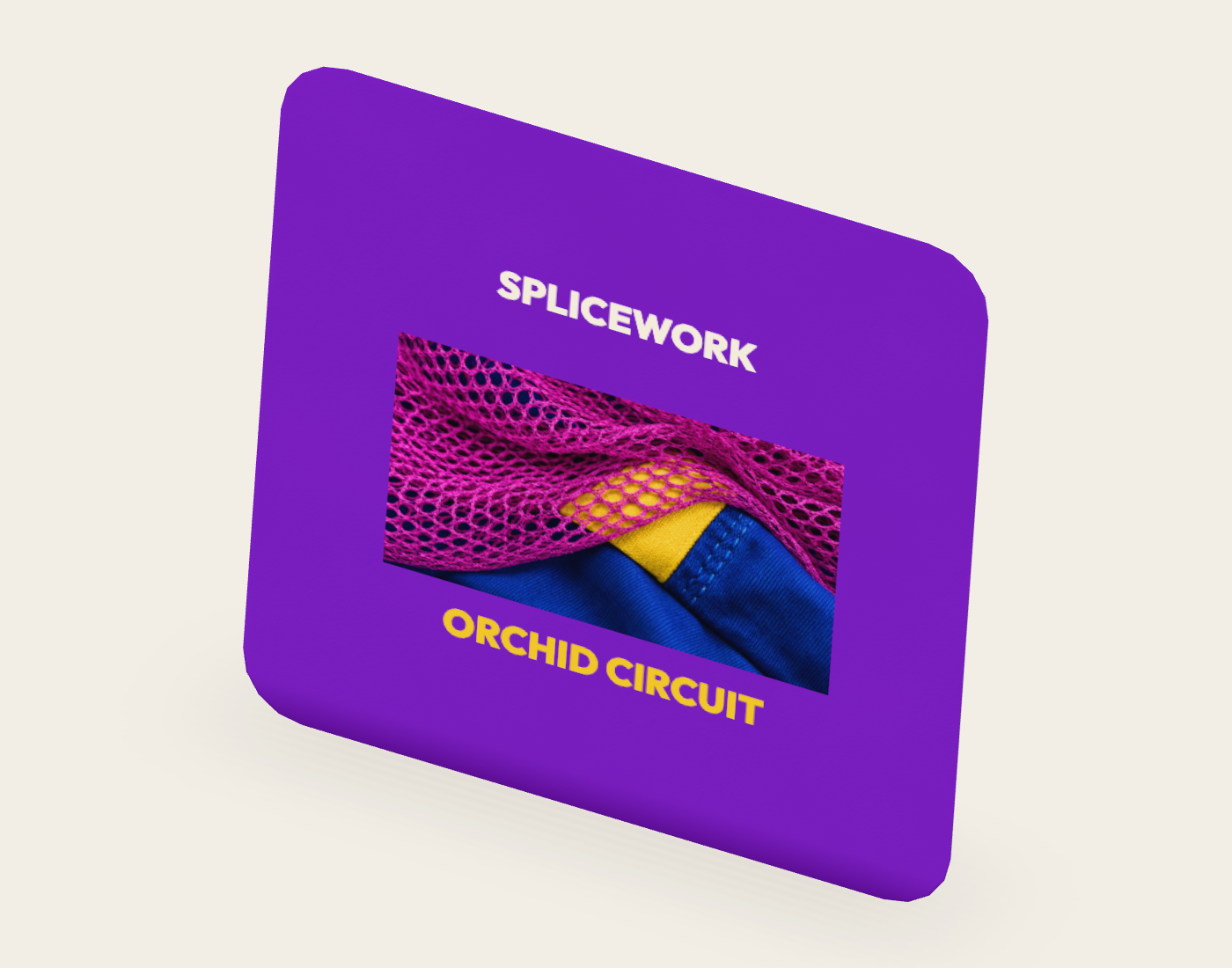
Artwork and cut outline are independently reviewable. Adhesive, backing, application surface and removal behavior require supplier specifications.
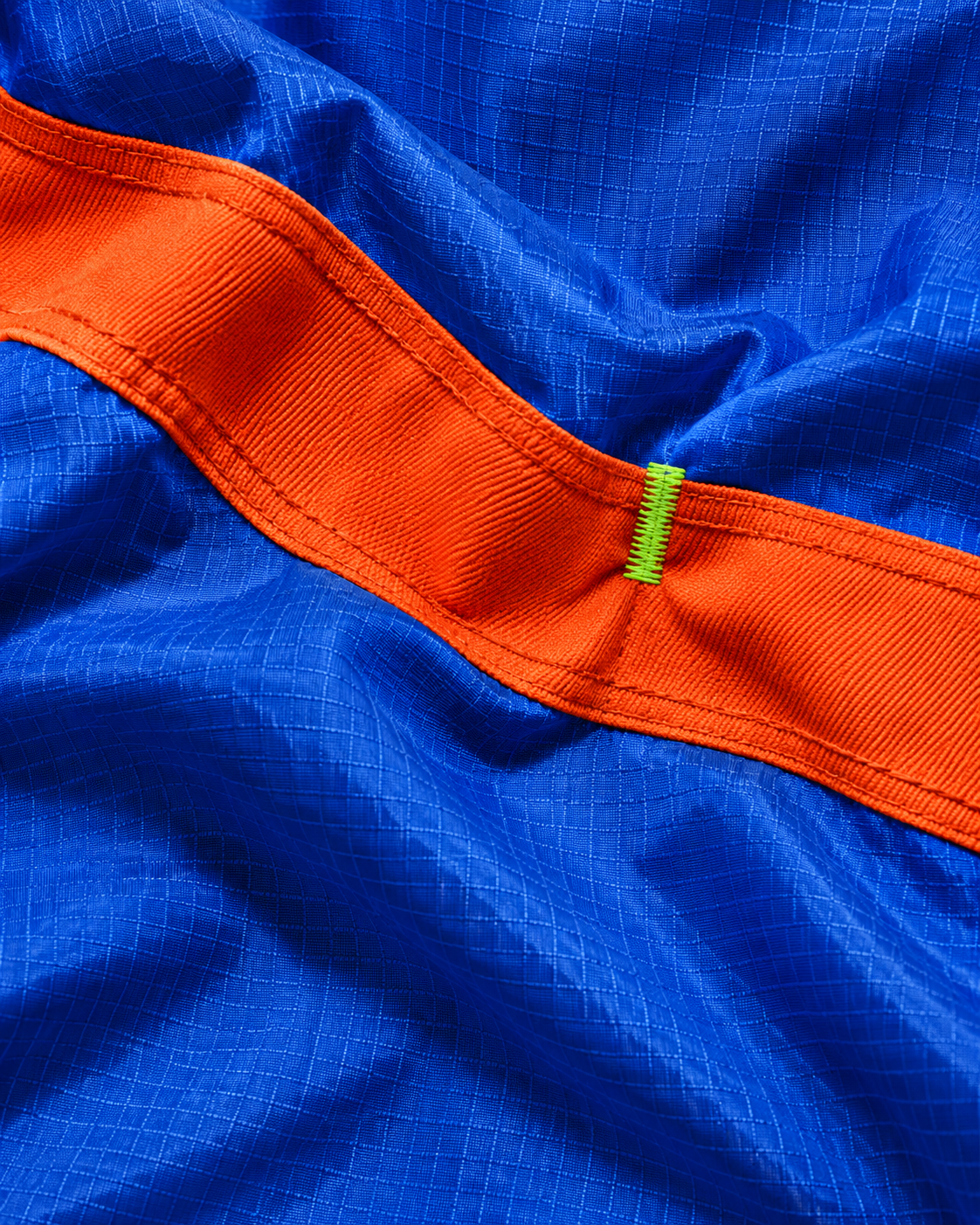
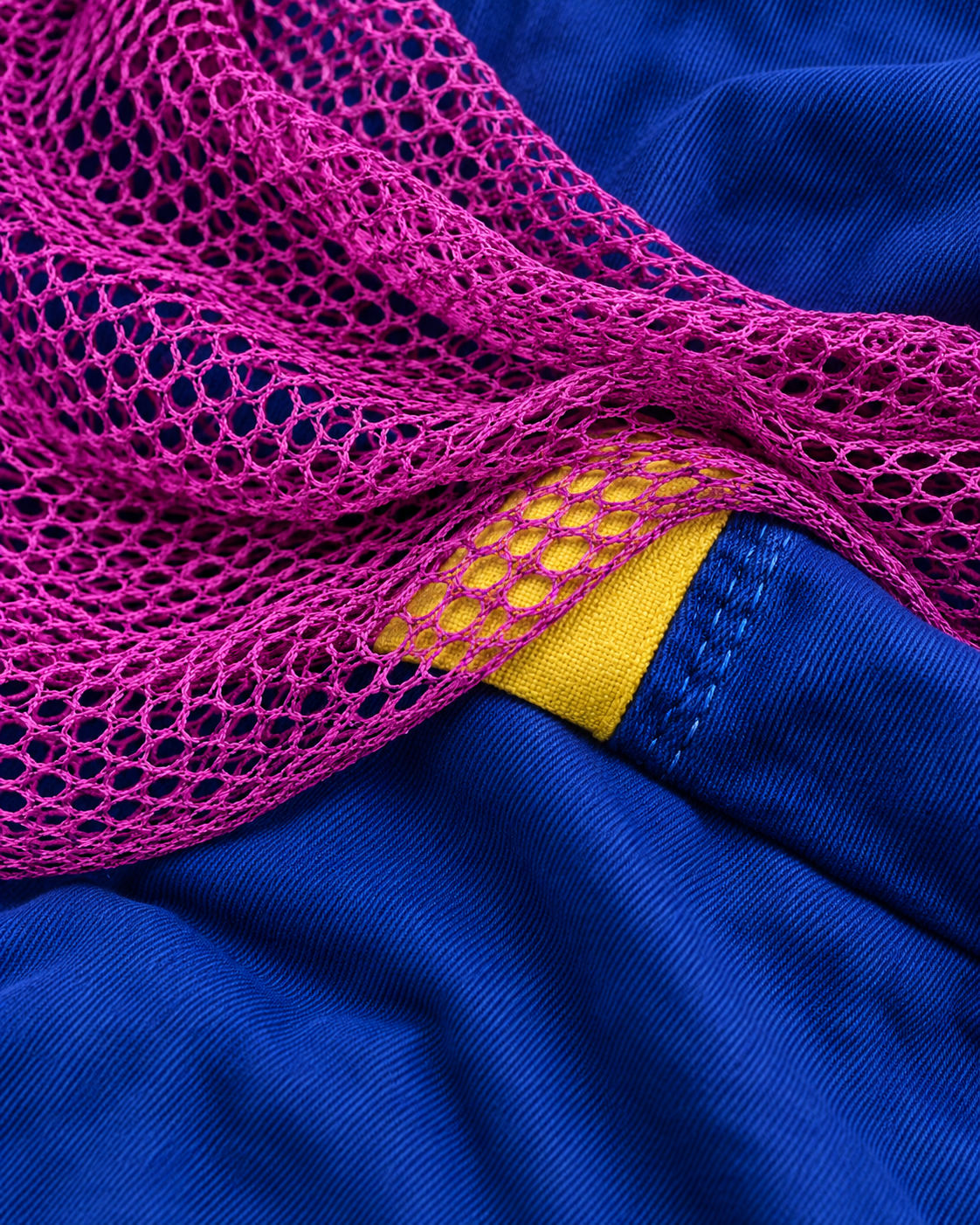
The original photographic artworks are 1122 × 1402 pixels. Many current placements are about 167 ppi, below the general 300 ppi print recommendation; use a larger original or a smaller placement where the printer needs it. Retain effective-ppi and DeviceRGB warnings where the files report them. The native garment and fold are simplified visual references, not sewing patterns. Check actual folded garments before ordering packaging. Cavity fit and handle appearance do not certify garment sizing, wrapping, closure strength or transit performance.
Each kit keeps editable source projects separate from its scene companions. Example downloads support review; production exports from the live editor require Pro.