Testing and production
Pharmaceutical cartons, Braille and child resistance
Separate carton geometry from medicinal labelling, Braille, tamper evidence and child-resistant testing.
Explore related templates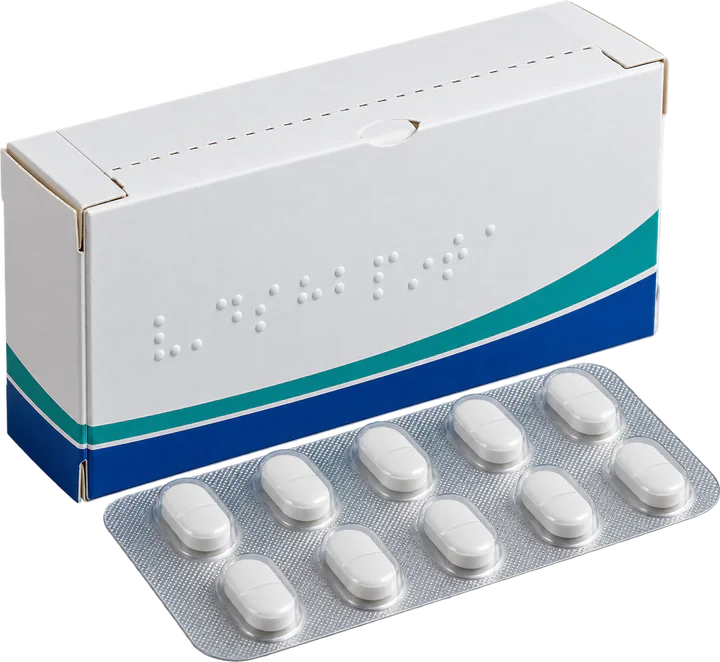
A pharmaceutical carton needs several coordinated specifications: product fit, approved information, accessibility features, security features and production controls. A tuck-end structure alone establishes none of those approvals.
The linked recipes are secondary-carton starting points. DielineMaker does not supply verified Braille authoring, child-resistant qualification or a certified pharmaceutical packaging system.
Define each requirement independently
ISO 17351 addresses Braille on medicinal packaging. In the US, CPSC identifies 16 CFR 1700.20 as the testing protocol for special packaging. Applicability depends on the product and market.
Marburg Medium is a pharmaceutical Braille spacing reference. PharmaBraille documents its dot, character and line-spacing geometry, and notes that it does not itself specify dot height. A matching on-screen font is not qualified embossing tooling: verify the approved language-specific content, spacing and finished tactile result through the production process.
| Reference | What it means | Design use |
|---|---|---|
| Carton structure | Panels, closures, product and leaflet space. | Prototype loading and opening with the real contents. |
| Braille | Tactile information produced and inspected on the finished pack. | Use approved text, tooling and verification. |
| Marburg Medium | Reference geometry for pharmaceutical Braille artwork and cell spacing. | Specify the profile with the converter; qualify tooling and inspect the embossed pack separately. |
| Tamper evidence | A feature intended to reveal opening or interference. | Specify its performance separately from child resistance. |
| Child resistance | Performance of the complete package under the applicable protocol. | Validate with the required child and adult testing. |
Clarify vendor and library references
ARISTO describes cutting and design tools supporting ECMA, FEFCO and Xanita codes. That is a production-system capability, not a pharmaceutical approval standard.
No authoritative Farmakon carton-code catalog has been verified for this guide. Obtain the exact vendor drawing and revision before claiming compatibility. BOBST’s pharma examples illustrate converting capabilities, including Braille equipment; they do not approve a native template.
Related editable templates
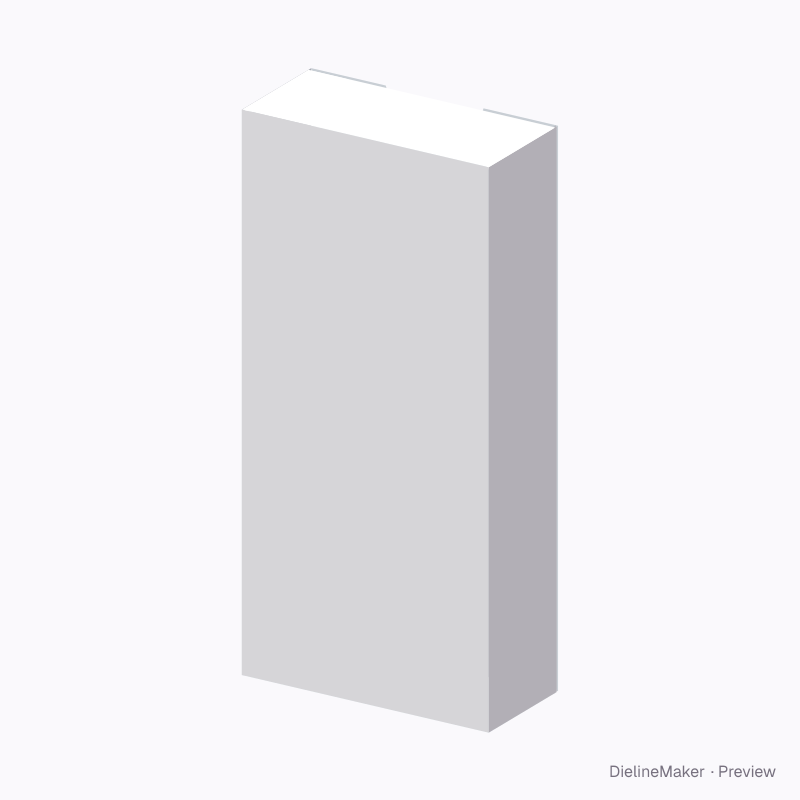
Straight tuck medicine carton
dieline
A structural starting point for a secondary carton; no medicinal-product approval or Braille tooling is included.
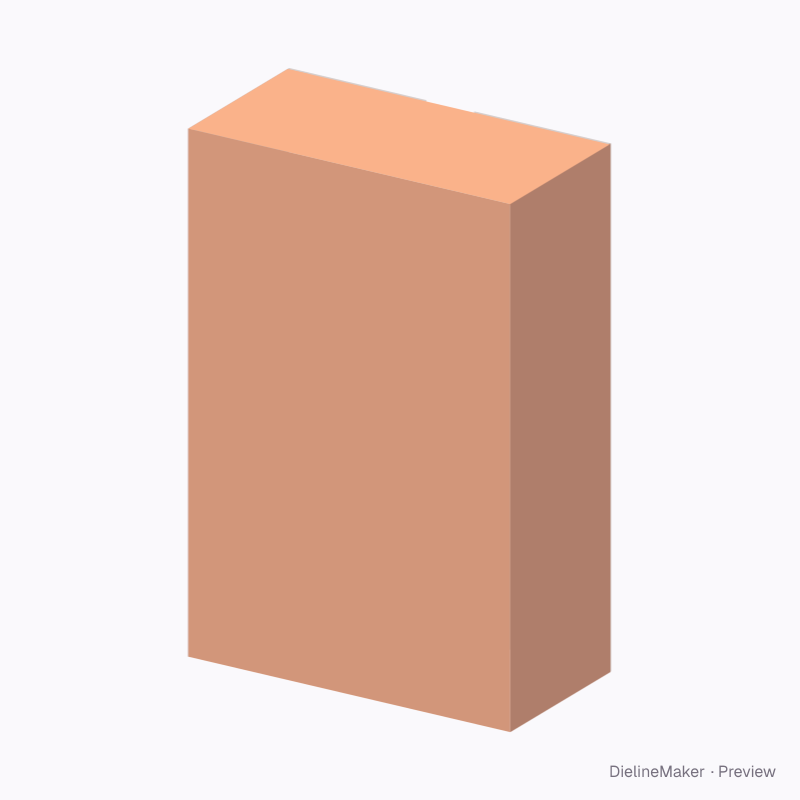
Tear-opening carton concept
dieline
The tear feature is a design starting point, not evidence of regulated tamper performance or child resistance.
Common questions
Is a tear strip child-resistant?
Not by itself. Tamper evidence and child resistance have different purposes, and any child-resistant claim needs the applicable package testing.
Can I generate production Braille from these templates?
No verified Braille-authoring workflow is provided here. Supply approved Braille data and tooling through the qualified artwork and converting process.